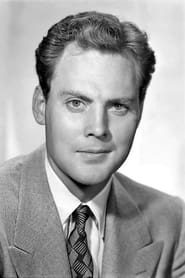
John Agar
Actor
Born: January 31, 1921 in Chicago, Illinois, USA Died: April 7, 2002 Active: 1948-1981 Birth Name: John George Agar Sr.
Films
1 film
About John Agar
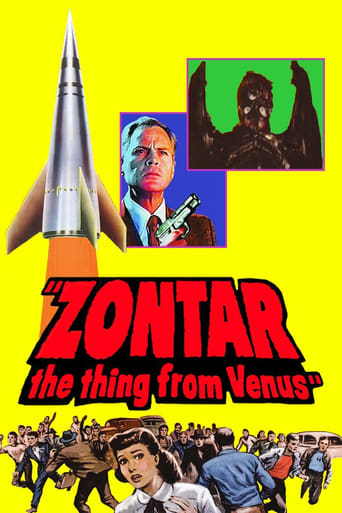
John George Agar Sr. Began his film career after marrying child star Shirley Temple in 1945, which launched him into Hollywood despite having no prior acting experience. He made his film debut alongside Temple in 'Fort Apache' (1948) directed by John Ford, establishing himself as a reliable supporting actor in Westerns and war films. Throughout the 1950s, Agar became a prominent figure in science fiction and horror B-movies, starring in cult classics like 'Tarantula!' (1955), 'The Mole People' (1956), and 'The Brain from Planet Arous' (1957). His career continued into the 1960s and 1970s with numerous low-budget films, including the notorious 'Zontar: The Thing from Venus' (1966). Agar also made appearances in television series throughout his career, including guest spots on popular shows like 'Rawhide' and 'The Rifleman'. Despite never achieving A-list status, he developed a loyal following among fans of genre cinema and became known for his dependable, everyman performances in exploitation films. His over four decades, with his final film appearance in 'The Intruder Within' in 1981.
The Craft
On Screen
Agar was known for his straightforward, no-frills acting style that made him perfect for the everyman roles he frequently portrayed. He brought a sense of earnestness and reliability to his performances, particularly in science fiction and horror films where his grounded reactions to fantastic situations helped ground the fantastical elements for audiences. His military background and imposing physical presence made him believable as soldiers, lawmen, and authority figures. While never considered a method actor, Agar delivered consistent, professional performances that elevated the often-low-budget productions he appeared in.
Milestones
- Film debut in John Ford's 'Fort Apache' (1948)
- Marriage to Shirley Temple (1945-1950)
- Leading role in 'Tarantula!' (1955)
- Star of 'The Mole People' (1956)
- Lead role in 'The Brain from Planet Arous' (1957)
- Cult classic 'Zontar: The Thing from Venus' (1966)
- Over 100 film and television appearances
- Induction into B-Movie Hall of Fame
Best Known For
Iconic Roles
Must-See Films
Accolades
Won
- Golden Boot Award (1991)
- B-Movie Hall of Fame Inductee
Nominated
- Western Heritage Award for 'She Wore a Yellow Ribbon' (1949)
Special Recognition
- Hollywood Walk of Fame Star (1960)
- Golden Boot Award recipient
- Cult film icon status
- B-Movie Hall of Fame
Working Relationships
Worked Often With
Studios
Why They Matter
Impact on Culture
John Agar became an iconic figure in 1950s science fiction cinema, representing the archetypal heroic scientist or military man battling alien threats and atomic mutations. His films, while often low-budget, captured the Cold War anxieties of post-war America and the growing fascination with space exploration and nuclear power. Agar's everyman persona made him relatable to audiences, and his films have endured as beloved examples of 1950s B-movie culture. He helped establish many of the tropes that would define science fiction cinema for decades, including the scientist-hero, the misunderstood monster, and the government response to extraterrestrial threats.
Lasting Legacy
John Agar's legacy is that of a reliable character actor who became an unlikely cult hero through his work in science fiction and horror films. While never achieving mainstream stardom, his films have maintained a dedicated following among genre enthusiasts and are frequently screened at revival theaters and film festivals. His work represents an important chapter in American genre cinema, particularly the transition from classic Hollywood Westerns to the science fiction boom of the 1950s. Agar's career exemplifies how actors can find lasting recognition through specialized genres, and his films continue to be referenced and parodied in contemporary media.
Who They Inspired
Agar influenced subsequent generations of B-movie actors through his professional approach to low-budget filmmaking and his ability to deliver credible performances despite limited resources. His work in science fiction helped establish conventions that would be adopted by later actors in the genre, including the serious approach to fantastical material. His transition from Westerns to science fiction demonstrated how actors could adapt to changing industry trends and audience preferences. Many contemporary character actors in genre films cite Agar's work as an example of how to elevate material through committed performance.
Off Screen
John Agar's personal life was marked by his high-profile marriage to Shirley Temple, which brought him initial fame but ended in divorce after five years. He later married model Loretta Barnett in 1951, with whom he had two sons, and remained married until her death in 2000. Agar served in the Army Air Corps during World War II before entering Hollywood. Despite his film career, he maintained a relatively private personal life away from the spotlight. In his later years, he made appearances at film conventions and autograph shows, embracing his status as a cult film icon.
Education
Harvard School for Boys, Los Angeles; attended one year at the University of Southern California
Family
- Shirley Temple (1945-1950)
- Loretta Barnett (1951-2000, her death)
Did You Know?
- His marriage to Shirley Temple made headlines as she was America's sweetheart at the time
- Served as a physical training instructor in the Army Air Corps during WWII
- His Hollywood Walk of Fame star is located at 1551 Vine Street
- Made over 100 film and television appearances throughout his career
- Was a close friend of John Wayne, who helped him get his start in films
- His son John Jr. Became a film editor
- Appeared in three films directed by John Ford early in his career
- Was often typecast as military men due to his bearing and appearance
- His 1966 film 'Zontar' was a remake of 'It Conquered the World' (1956)
- Continued acting in low-budget films well into his 50s
- Was a popular guest at science fiction conventions in his later years
- His height was 6'1" which helped him land authoritative roles
In Their Own Words
I've been in so many science fiction films, I'm waiting for the aliens to land and ask for my autograph.
I never considered myself a great actor, but I always gave my best performance, whether it was for John Ford or in a picture about a giant tarantula.
Being married to Shirley Temple was both a blessing and a curse - it got me into the business, but I had to work twice as hard to prove I wasn't just riding her coattails.
In those days, you took the work you could get. I'm proud of all my films, even the ones that weren't very good.
Science fiction fans are the most loyal in the world. They remember every film you've ever made.
Frequently Asked Questions
Who was John Agar?
American with credits in this catalog. He appeared in over 100 films and television shows, becoming a cult figure through his work in B-movies like 'Tarantula!' and 'Zontar: The Thing from Venus'.
What films is John Agar best known for?
Titles linked here include Fort Apache (1948), She Wore a Yellow Ribbon (1949).
When was John Agar born and when did he die?
Born January 31, 1921; died April 7, 2002.
What awards did John Agar win?
John Agar received the Golden Boot Award in 1991 for his contributions to Western cinema, has a star on the Hollywood Walk of Fame (awarded in 1960), and was inducted into the B-Movie Hall of Fame for his contributions to genre cinema.
What was John Agar's acting style?
John Agar was known for his straightforward, earnest acting style that made him perfect for everyman roles. He brought reliability and sincerity to his performances, particularly in science fiction films where his grounded reactions helped audiences connect with fantastical situations.