

Zontar: The Thing from Venus
"Venus sends Zontar to Earth—with plans darker than promised."
Keys: Space play/pause · ←/→ 10s · F fullscreen · M mute · </> speed
About this film
Scientist Tom Anderson enables an alien from Venus named Zontar to come to earth in order to "help solve man's problems". However, as soon as Zontar arrives on Earth, it quickly becomes obvious that the three-eyed, bat-winged, skeletal black creature has a hidden agenda.
Cast & crew
More Horror films
View all →

More from Larry Buchanan
View all →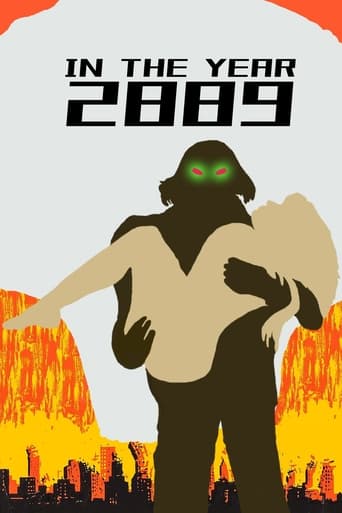
More about this film
About the production
Release dateDecember 14, 1966
Budget$30,000
Box officeUnknown (TV movie, no theatrical release)
ProductionAzalea Pictures, American International Pictures (for television)
Filmed inDallas, Texas, Studio facilities in Texas
This was one of Larry Buchanan's notorious 'remakes' of earlier AIP films, specifically a low-budget version of 'It Conquered the World' (1956). The production was shot in just a few days with minimal budget, using existing sets and locations. The Zontar costume was reportedly created with limited resources, giving the creature its distinctive skeletal appearance. The film was produced as part of a package of television movies for AIP to capitalize on the monster movie craze of the 1960s.
Themes
Dangers of unchecked scientific ambitionParanoia about infiltration and invasionThe corrupting influence of powerMisplaced trust in seemingly benevolent forcesCold War anxieties about hidden enemies
Themes & topics
alien invasionmind controlscientistVenuscreature featuretelevision movielow budgetcold warhorrorscience fiction
Historical background
The 1966 premiere placed Zontar: The Thing from Venus alongside contemporaneous releases that were collectively teaching viewers how to read cinematic time and space.
Why this film matters
Collectors prize surviving prints of Zontar: The Thing from Venus as evidence of how 1966-era filmmakers solved storytelling problems with limited means.
Making of
The production of 'Zontar' was typical of Larry Buchanan's Texas-based film operation, which specialized in creating content for the growing television market. Buchanan had a deal with American International Pictures to produce color remakes of their earlier black-and-white horror films for television distribution. The film was shot in approximately six days with a skeleton crew, many of whom were local Texas talent rather than Hollywood professionals. John Agar, despite his B-movie star status, reportedly enjoyed working with Buchanan and appreciated the straightforward, no-nonsense approach to filmmaking. The Zontar creature design was created on a minimal budget, using foam rubber and basic materials, which resulted in the distinctive skeletal, bat-winged appearance that has become memorable among bad movie enthusiasts. The production faced challenges with the creature suit's mobility, leading to creative camera work to hide the limitations. The film's sound design was also minimalist, with many creature sounds created using modified animal recordings and basic electronic effects.
What critics said
Trade papers near 1966 treated Zontar: The Thing from Venus as program material—noticed when exhibitors needed a reliable slot-filler, seldom debated as auteur cinema.
Did you know?
- This film is essentially a color remake of Roger Corman's 1956 film 'It Conquered the World', with the Venusian alien's name changed from 'The Beast' to 'Zontar'
- Director Larry Buchanan was known in the industry as 'The King of the Remakes' for his practice of creating low-budget versions of earlier films for television
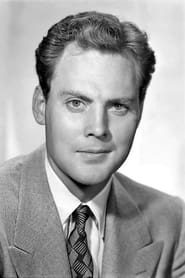
- John Agar, who plays Dr. Taylor, was a veteran of 1950s science fiction films, having appeared in classics like 'Tarantula!' and 'The Brain from Planet Arous'
- The Zontar costume was so restrictive that actor Roger Ready could barely move or see, limiting the creature's screen presence to mostly stationary shots
- The film was shot in color despite its low budget, making it one of the few color productions in Buchanan's filmography
- The flying bat creatures were created using simple puppets on wires, a technique that became a hallmark of Buchanan's productions
- The film was originally intended to be part of a television series but was released as a standalone TV movie instead
- Despite being set in a laboratory and military base, most interiors were shot in the same few rooms with minimal set dressing
- The film's title was changed multiple times during production, including 'The Venusian' and 'Creature from Venus' before settling on 'Zontar'
- This was one of the last films John Agar made before transitioning primarily to television work
Visual style
The cinematography by Robert Caramico was functional rather than artistic, utilizing basic lighting setups and static camera movements typical of television production of the era. The film was shot in color using Eastmancolor, though the color palette appears somewhat muted due to the limited lighting equipment available. Camera work was straightforward, with medium shots predominating and few dynamic movements. The creature sequences often used close-ups and careful framing to hide the limitations of the Zontar costume. Interior scenes were lit flatly to accommodate the rapid shooting schedule. The film's visual style reflects its television origins and budget constraints, with minimal use of special camera techniques or elaborate compositions.
Innovations
The film features no significant technical achievements, instead representing a minimalist approach to science fiction filmmaking. The Zontar costume, while unconvincing by modern standards, was an attempt to create a distinctive alien creature with limited resources. The flying bat creatures were realized through simple puppetry and wire work, techniques that were standard for low-budget productions. The film's use of color was notable for a television production of its budget level, though the color quality varies throughout. The production demonstrated how to create a feature-length science fiction story with minimal sets and locations, relying primarily on dialogue and close-ups to tell the story.
Music
The musical score was composed by Ronald Stein, who had previously worked on several AIP productions. The music features typical 1960s science fiction elements including electronic sounds and dramatic orchestral passages. The score was likely created with limited resources, possibly incorporating stock music elements common in low-budget productions. Sound effects for Zontar and the bat creatures were created using modified animal recordings and basic electronic manipulation. The film's audio quality reflects its television origins, with dialogue generally clear but some sound effects appearing artificial or unconvincing. The musical themes are repetitive but effective in creating the appropriate mood for a creature feature.
Famous quotes
Zontar: 'I come from Venus to help you solve your problems. Earth is on the brink of destruction.'
Dr. Taylor: 'He's not a monster! He's our only hope for survival!'
General McClain: 'You've invited the devil into our home, Curt!'
Dr. Ritchie: 'There's something wrong with everyone who's been near that thing!'
Zontar: 'Your world will serve a higher purpose under my guidance.'
Memorable scenes
- The first appearance of Zontar in the laboratory, where the three-eyed, bat-winged creature is revealed in all its low-budget glory
- The sequence where the bat creatures attach control devices to their victims, featuring visible wires and unconvincing special effects
- The final confrontation in the laboratory where the heroes attempt to destroy Zontar using improvised weapons
- Dr. Taylor's realization of his mistake as he watches Zontar's true nature revealed through the controlled humans
- The scene where military personnel under Zontar's control move in synchronized, zombie-like fashion
What audiences thought
The film received modest viewership upon its television debut, appealing primarily to fans of creature features and science fiction enthusiasts. Over the decades, it has developed a cult following among bad movie aficionados who appreciate its earnest attempt at horror despite its obvious limitations. Modern audiences often discover the film through compilation shows or streaming services dedicated to vintage science fiction. The film is frequently discussed in online forums dedicated to B-movies and creature features, where viewers debate its merits compared to similar films of the era. Many viewers appreciate John Agar's performance and the film's straightforward, no-nonsense approach to its story. The film's status as a Larry Buchanan production has also made it of interest to those studying low-budget filmmaking techniques.
Film connections
Influenced by
- It Conquered the World (1956)
- Invasion of the Body Snatchers (1956)
- The Day the Earth Stood Still (1951)
- Forbidden Planet (1956)
This film influenced
- The Creature from Another Planet (1967)
- Curse of the Swamp Creature (1966)
- In the Year 2889 (1967)
Film restoration
The film exists in its complete form and has been preserved through various home video releases. The original color elements appear to have survived reasonably well, though some prints show signs of color fading typical of Eastmancolor from the 1960s. The film has been released on DVD by various public domain distributors and is available through streaming services specializing in vintage films. No known restoration efforts have been undertaken, likely due to the film's status as a low-budget television production rather than a major theatrical release.
Where to watch
- Amazon Prime Video
- YouTube (various uploads)
- Tubi
- Pluto TV
- The Roku Channel
- DVD releases from public domain companies
- Internet Archive