Films
2 films
About Bill Thurman
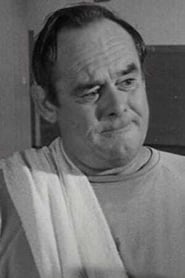
American character actor who worked primarily in the 1960s and later became a familiar face in regional and genre filmmaking rather than a major studio star. He is best remembered by cult-cinema audiences for his appearances in low-budget science fiction and exploitation productions, including Zontar: The Thing from Venus (1966) and In the Year 2889 (1967). Thurman’s screen presence fit the needs of independent filmmakers: he often played hard-edged, down-to-earth supporting parts that added texture and credibility to productions made outside Hollywood’s mainstream system. Although his surviving filmography is limited and much of his life outside the screen is not widely documented, he represents the kind of working actor who helped populate American genre cinema of the 1960s. His career is most visible to viewers through cult film circulation, where his performances remain associated with drive-in era science fiction and suspense. Because available public information about his early life, training, and later years is sparse, many standard biographical details cannot be confirmed with certainty. Even so, his work endures as part of the larger history of regional American filmmaking and the dependable supporting players who gave such films their distinctive character.
The Craft
On Screen
Bill Thurman’s acting style, as seen in the surviving material associated with his known films, was functional, grounded, and well suited to low-budget genre cinema. He appears to have specialized in direct, no-frills supporting work that helped establish realism in fantastical settings. Rather than broad star gestures, his screen presence relied on economy, clarity, and the kind of recognizable character work that anchored exploitation and science fiction films. This style is typical of dependable character actors who could quickly establish a part without drawing focus away from the film’s central premise.
Milestones
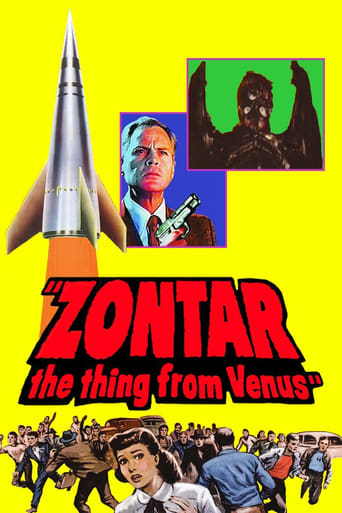
- Appeared in Zontar: The Thing from Venus (1966), a cult science fiction title associated with the prolific low-budget filmmaking of the 1960s
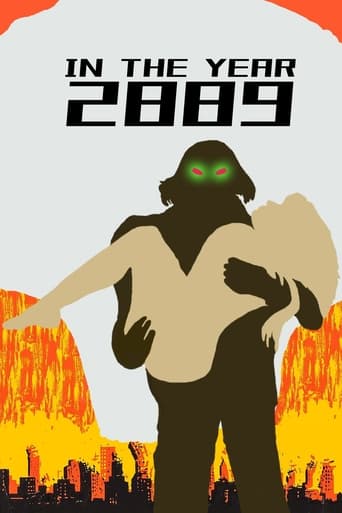
- Appeared in In the Year 2889 (1967), another science fiction feature that has remained of interest to genre historians and cult-film audiences
- Worked as a supporting character actor in independent and regional productions during the drive-in era
- Built a screen identity through atmospheric genre pieces rather than mainstream studio vehicles
- Represents the cohort of 1960s working actors whose careers are preserved primarily through cult film fandom and archival filmographies
Best Known For
Iconic Roles
Must-See Films
Why They Matter
Impact on Culture
Bill Thurman’s cultural impact lies less in celebrity recognition and more in his participation in the ecosystem of American cult cinema. Actors like Thurman were essential to the production of low-budget science fiction and regional genre films, providing believable performances that helped modest productions feel coherent and watchable. His credits contribute to the historical record of drive-in-era filmmaking, a major strand of mid-20th-century popular culture that shaped audience tastes and later inspired nostalgic appreciation from film historians and cult enthusiasts. While he was not a marquee star, his work is part of the texture and authenticity that made such films endure as artifacts of their time. In a broader sense, Thurman’s career illustrates how many classic-era performers are remembered today not through fame in their own time, but through the persistence of genre cinema in repertory culture, home video, and online databases. His name continues to surface for researchers and fans tracing the personnel behind independently made science fiction films of the 1960s. That continued visibility gives him a modest but meaningful place in the history of American B-movies and regional production.
Lasting Legacy
Bill Thurman’s legacy is that of a dependable supporting actor whose work survives in cult and genre film history. He is part of the long lineage of character performers who helped define the look and feel of low-budget American cinema during the 1960s. Because so little personal documentation survives, his legacy is preserved almost entirely through the films themselves and the continuing interest of genre scholars and fans. For movie database users, his importance is primarily archival: he is a credited participant in titles that document the era’s independent science fiction filmmaking.
Who They Inspired
There is no clear evidence that Bill Thurman directly trained, mentored, or was a major influence on widely recognized later performers. His influence is best understood indirectly, through the example of steady supporting work in genre pictures where realism and discipline were more valuable than star persona. Actors in this lane helped establish a performance standard for independent filmmaking: efficient, believable, and adaptable to fast schedules and limited resources. In that sense, his work is representative of the many unsung players whose craft supported the growth of American cult cinema.
Off Screen
Publicly available information about Bill Thurman’s personal life is extremely limited. Reliable sources do not clearly document his birth details, family background, marital history, children, or education. As a result, any attempt to describe his private life in detail would be speculative, and those specifics are not widely preserved in standard film reference sources. What is known is largely confined to his screen work and his association with 1960s genre filmmaking.
Did You Know?
- Bill Thurman’s surviving filmography is very small, which makes him especially interesting to cult-film researchers.
- He is associated with the 1960s wave of low-budget science fiction films that often played the drive-in and regional theater circuit.
- His best-known credits are remembered largely through cult movie fandom rather than mainstream studio publicity.
- Public biographical details such as his birth date and birthplace are not readily documented in standard reference sources.
- He is an example of a character actor whose screen identity is preserved more by film credits than by star biographies.
- His career appears to have been brief or at least sparsely recorded, with known work concentrated in 1966 and 1967.
Frequently Asked Questions
Who was Bill Thurman?
American with credits in this catalog. He worked as a supporting character player, and his name is most associated with cult titles rather than mainstream studio productions.
What films is Bill Thurman best known for?
Titles linked here include Zontar: The Thing from Venus (1966), In the Year 2889 (1967).
When was Bill Thurman born and when did he die?
Reliable public sources do not clearly document Bill Thurman’s birth date, birthplace, or death date. Because those details are not firmly established in available reference material, they are best treated as currently unavailable.
What awards did Bill Thurman win?
No awards or major nominations are readily documented for Bill Thurman in the available film reference record. His significance is primarily historical and cult-cinema related rather than award-based.
What was Bill Thurman’s acting style?
Bill Thurman appears to have used a grounded, economical acting style well suited to low-budget genre films. His performances likely relied on directness and credibility, helping fantastical stories feel more believable.
What is Bill Thurman’s legacy in film history?
His legacy is as a working actor who contributed to the texture of 1960s American science fiction cinema. He is remembered mainly by genre fans and film historians who study the supporting players of cult and regional productions.