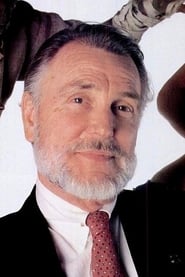
Larry Buchanan
Director
Born: January 31, 1923 in Los Angeles, California, USA Died: December 2, 2004 Active: 1952-1987 Birth Name: Marcus Larry Seale Jr.
Films
2 films
About Larry Buchanan
Larry Buchanan, born Marcus Larry Seale Jr., was an American film director, producer, and screenwriter who became notorious for his low-budget science fiction and horror films during the 1960s and 1970s. After serving in the Army Air Corps during World War II, Buchanan began his career in television production before transitioning to feature films. He found his niche working with American International Pictures, where he specialized in creating inexpensive remakes of earlier successful films, most notably reimagining Roger Corman productions with drastically reduced budgets. His most prolific period was from 1966 to 1970, during which he directed numerous cult classics that have since gained appreciation among B-movie enthusiasts. Despite facing criticism for the technical limitations of his films, Buchanan developed a distinctive style that made the most of minimal resources, often employing creative solutions to budget constraints that inadvertently contributed to his films' unique charm. He continued working in film and television through the 1980s before retiring from the industry, leaving behind a legacy of cult favorites that exemplify the ingenuity and limitations of low-budget filmmaking during the drive-in movie era.
The Craft
Behind the Camera
Buchanan's directing style was characterized by extreme budget consciousness, often reusing footage, employing minimal sets, and utilizing local Texas talent. He developed a reputation for completing films quickly and inexpensively, sometimes shooting entire features in just a few days. His approach emphasized practical effects and makeup over expensive special effects, and he often incorporated voice-over narration to compensate for limited production resources. Despite these constraints, Buchanan maintained a professional work ethic and delivered completed films on schedule, which made him reliable to producers despite the variable quality of his output.
Milestones
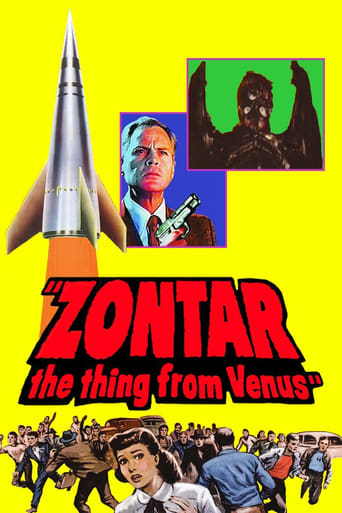
- Directed 'Zontar: The Thing from Venus' (1966)
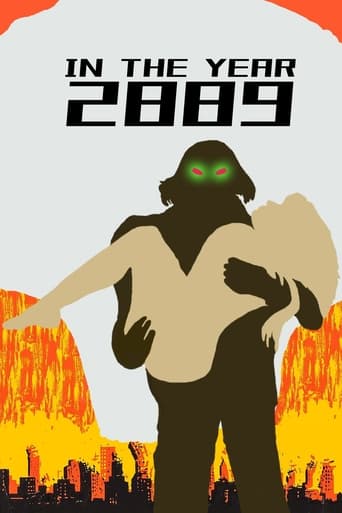
- Created 'In the Year 2889' (1967)
- Made 'Mars Needs Women' (1967)
- Produced and directed 'The Eye Creatures' (1967)
- Directed 'The Mighty Gorga' (1969)
- Worked extensively with American International Pictures
- Adapted Roger Corman films for television with minimal budgets
Best Known For
Must-See Films
Accolades
Special Recognition
- Cult following among B-movie enthusiasts
- Featured in 'The Worst Movies Ever Made' documentaries
- Retrospective screenings at B-movie film festivals
Working Relationships
Worked Often With
Studios
Why They Matter
Impact on Culture
Larry Buchanan's work has had a significant impact on cult cinema and the appreciation of B-movies as an art form. His films, though technically limited, represent a specific era of drive-in theater entertainment and have been studied by film scholars interested in low-budget production techniques. Buchanan's movies have been featured in numerous 'worst films ever made' compilations, paradoxically increasing their cultural visibility and appeal. His work has influenced modern filmmakers who deliberately embrace low-budget aesthetics and has contributed to the academic discussion of what constitutes 'good' cinema versus entertaining cinema. The MST3K television series featured several of his films, introducing them to new generations and cementing their place in pop culture.
Lasting Legacy
Larry Buchanan's legacy is that of a quintessential B-movie director who exemplified the ingenuity and limitations of low-budget filmmaking during the 1960s. Despite never achieving critical acclaim during his lifetime, his films have developed a devoted cult following and are now appreciated for their entertainment value and historical significance. Buchanan represents the entrepreneurial spirit of independent filmmakers working outside the Hollywood system, creating content for specific audiences with limited resources. His autobiography provides valuable insights into the economics and practical challenges of independent filmmaking during a transformative period in American cinema history.
Who They Inspired
Buchanan influenced subsequent generations of low-budget filmmakers by demonstrating that compelling entertainment could be created with minimal resources. His work has been cited by directors such as Tim Burton and Lloyd Kaufman as examples of creative problem-solving in filmmaking. The aesthetic of his films has influenced the deliberate low-budget style of modern cult filmmakers who embrace limitations as creative opportunities. His business model of remaking successful films with reduced budgets has been studied as a case study in film economics and independent production strategies.
Off Screen
Larry Buchanan served in the Army Air Corps during World War II before pursuing a career in entertainment. He married actress and model Beverly Gardner, with whom he had two children. The family settled in Texas, where Buchanan established his production company and filmed many of his movies. He was known as a family man who maintained a stable personal life despite the often chaotic nature of low-budget filmmaking. In his later years, he wrote an autobiography titled 'It Came from Hunger: Tales of a Cinema Schlockmeister' detailing his experiences in the film industry.
Education
Attended Texas Christian University, served in Army Air Corps during WWII
Family
- Beverly Gardner (1950-2004, his death)
Did You Know?
- His real name was Marcus Larry Seale Jr.
- He directed over 30 films during his career
- Many of his films were shot in Texas to take advantage of tax incentives
- 'Zontar: The Thing from Venus' was a remake of Roger Corman's 'It Conquered the World'
- He wrote an autobiography titled 'It Came from Hunger: Tales of a Cinema Schlockmeister'
- Several of his films were featured on Mystery Science Theater 3000
- He often reused props and sets from film to film to save money
- His production company was named Azalea Films
- He once shot an entire feature film in just three days
- His films have been called 'the epitome of drive-in movie entertainment'
In Their Own Words
In low-budget filmmaking, creativity isn't a choice, it's a necessity.
I never made a movie I didn't think was entertaining, whether it was good or not.
Roger Corman taught me that you don't need a big budget to tell a good story, you just need to be smart about it.
The drive-in theaters were my real audience, and I always made movies for them.
People call my movies bad, but they forget that bad can be very entertaining.
Frequently Asked Questions
Who was Larry Buchanan?
American on YTB.my. He worked primarily with American International Pictures, creating inexpensive remakes of earlier successful films, and developed a cult following for his B-movie productions.
What films is Larry Buchanan best known for?
Titles linked here include Zontar: The Thing from Venus (1966), In the Year 2889 (1967).
When was Larry Buchanan born and when did he die?
Born January 31, 1923; died December 2, 2004.
What awards did Larry Buchanan win?
Larry Buchanan did not receive any major film industry awards during his lifetime. However, his films have gained posthumous recognition through cult film festivals and retrospective screenings celebrating B-movie cinema.
What was Larry Buchanan's directing style?
Buchanan's directing style was defined by extreme budget consciousness, often reusing footage, employing minimal sets, and utilizing local Texas talent. He developed techniques for completing films quickly and inexpensively, sometimes shooting entire features in just a few days while maintaining a professional approach to filmmaking.
How did Larry Buchanan influence cinema?
Buchanan influenced cinema by exemplifying the ingenuity of low-budget filmmaking and showing that entertainment value could exist outside traditional quality standards. His work has been studied by film scholars interested in B-movie aesthetics and has inspired subsequent generations of independent filmmakers working with limited resources.
Why are Larry Buchanan's films considered cult classics?
Buchanan's films are considered cult classics due to their combination of earnest storytelling, technical limitations, and unintentional humor. They represent a specific era of drive-in theater entertainment and have been featured in shows like Mystery Science Theater 3000, introducing them to new audiences who appreciate their unique charm.