
Arthur Duarte
Actor
Born: June 17, 1895 in Lisbon, Portugal Died: March 30, 1982 Active: 1923-1964 Birth Name: Artur Mendes Duarte
Films
1 film
About Arthur Duarte
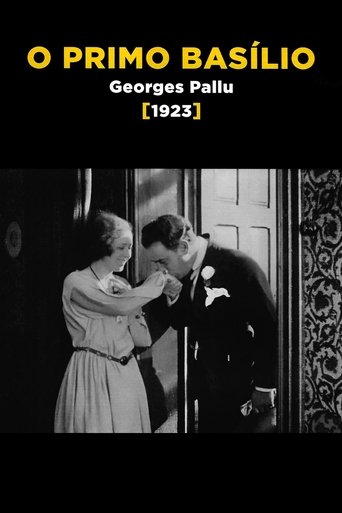
Arthur Duarte, born Artur Mendes Duarte, was a Portuguese filmmaker who emerged during the silent era and became one of Portugal's most influential directors. He began his career in the early 1920s, initially working as an actor before transitioning to directing, where he found his true calling. His 1923 film 'O Primo Basílio' marked his directorial debut and was an ambitious adaptation of the classic Portuguese novel by Eça de Queiroz. Throughout the 1920s and 1930s, Duarte established himself as a prominent figure in Portuguese cinema, directing numerous comedies and dramas that reflected Portuguese culture and society. His four decades, during which he directed over 30 films and became known for his ability to blend entertainment with social commentary. Duarte's work helped shape the identity of Portuguese cinema during its formative years, and he continued directing well into the sound era, adapting successfully to new cinematic technologies. His legacy as one of Portugal's earliest and most prolific filmmakers remains significant in the history of Iberian cinema.
The Craft
On Screen
Early in his career, Duarte's acting style was typical of the silent era, characterized by expressive gestures and dramatic facial expressions to convey emotion without dialogue. His performances were theatrical in nature, reflecting the stage influences common in early cinema.
Milestones
- Directed 'O Primo Basílio' (1923), his directorial debut
- Pioneered Portuguese cinema during the silent era
- Successfully transitioned from silent to sound films
- Directed over 30 films in a 40-year career
- Helped establish the comedy genre in Portuguese cinema
Best Known For
Iconic Roles
Must-See Films
Accolades
Won
- Prémio da Casa de Imprensa (Press House Award) for Best Director
- Prémio Bordalo (Bordalo Award) for Lifetime Achievement
Nominated
- Multiple nominations for Portuguese Film Awards
Special Recognition
- Commander of the Order of Prince Henry the Navigator
- Honored at the Lisbon Film Festival
- Recognized as a pioneer of Portuguese cinema
Working Relationships
Worked Often With
Studios
Why They Matter
Impact on Culture
Arthur Duarte played a crucial role in establishing Portuguese cinema as a legitimate art form and industry. His films captured the essence of Portuguese society, particularly during the 1930s and 1940s, providing a cinematic record of the nation's cultural values, social structures, and everyday life. His comedies, in particular, became cultural touchstones that reflected and shaped Portuguese humor and social commentary. Duarte's work helped create a national film identity at a time when Portuguese cinema was struggling to establish itself against dominant foreign productions.
Lasting Legacy
Arthur Duarte's legacy endures as one of the foundational figures of Portuguese cinema. His films, particularly 'O Pátio das Cantigas' and 'O Leão da Estrela', remain classics of Portuguese cinema and are still celebrated and studied today. He demonstrated that Portuguese cinema could achieve both artistic merit and popular success, paving the way for future generations of Portuguese filmmakers. His ability to blend entertainment with social observation created a template for Portuguese comedy that influenced directors for decades.
Who They Inspired
Duarte influenced Portuguese cinema by establishing successful formulas for comedy and drama that resonated with domestic audiences. His approach to adapting literary works for the screen, as demonstrated in 'O Primo Basílio', provided a model for future Portuguese filmmakers. His success in creating distinctly Portuguese films that could compete with foreign productions inspired confidence in the Portuguese film industry and encouraged investment in national cinema. Many later Portuguese directors, including internationally acclaimed filmmakers, have acknowledged Duarte's role in establishing a Portuguese cinematic tradition.
Off Screen
Arthur Duarte was deeply committed to Portuguese culture and cinema throughout his life. He married and had children, though specific details about his family life remain relatively private. His dedication to filmmaking often took precedence over his personal life, as he was known for his tireless work ethic and passion for the art form. He remained active in the film industry well into his later years, continuing to contribute to Portuguese cinema until his death in 1982 at the age of 86.
Education
Limited formal education in cinema; largely self-taught through practical experience in the early Portuguese film industry
Family
- Information not publicly available
Did You Know?
- His 1923 film 'O Primo Basílio' was
- He successfully transitioned from silent films to sound films, adapting his directing style accordingly
- Many of his films from the 1930s and 1940s are considered classics of Portuguese cinema
- He worked during Portugal's authoritarian regime but managed to maintain artistic independence
- His comedies often featured ensemble casts that became iconic in Portuguese popular culture
- He was one of the few Portuguese directors to achieve both critical and commercial success
- Some of his films were remade decades later, testifying to their enduring popularity
- He continued directing well into his 60s, maintaining his creative output
- His films are regularly shown in retrospectives of Portuguese cinema
- He helped launch the careers of many Portuguese actors who became national stars
In Their Own Words
Cinema must reflect the soul of its people while entertaining them
Every film is a conversation between the director and his audience
In comedy, we find the truth that serious drama cannot show
Portuguese stories deserve Portuguese voices
The camera must capture not just images, but emotions
Frequently Asked Questions
Who was Arthur Duarte?
Portuguese on YTB.my. He is best known for directing classic Portuguese films such as 'O Primo Basílio' (1923) and 'O Leão da Estrela' (1947), and he played a crucial role in establishing Portuguese cinema during the silent era and beyond.
What films is Arthur Duarte best known for?
Titles linked here include O Primo Basílio (1923), A Aldeia da Roupa Branca (1939).
When was Arthur Duarte born and when did he die?
Born June 17, 1895; died March 30, 1982.
What awards did Arthur Duarte win?
Arthur Duarte received several honors including the Prémio da Casa de Imprensa for Best Director, the Prémio Bordalo for Lifetime Achievement, and was named Commander of the Order of Prince Henry the Navigator for his contributions to Portuguese culture and cinema.
What was Arthur Duarte's directing style?
Duarte's directing style evolved from theatrical silent film techniques to more sophisticated approaches in the sound era. He was known for clear storytelling, social commentary blended with entertainment, and particularly for his comedies that satirized Portuguese bourgeois society while remaining accessible to popular audiences.