
Fritz Leiber
Actor
Born: January 31, 1882 in Chicago, Illinois, USA Died: October 14, 1949 Active: 1917-1917
Films
1 film
About Fritz Leiber
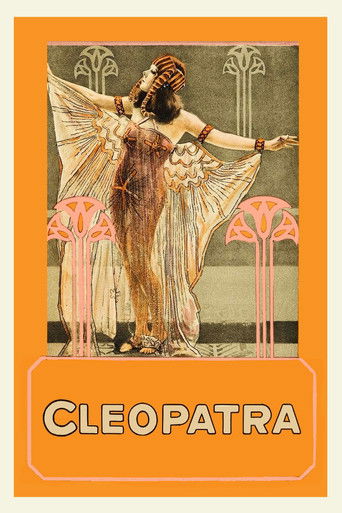
Fritz Leiber Sr. Was an American actor of the silent film era, renowned for his commanding presence and Shakespearean background. Born in Chicago in 1882, he began his career on the legitimate stage, specializing in classical theater before transitioning to motion pictures. His most notable film role came in 1917's Cleopatra, where he portrayed Julius Caesar opposite Theda Bara's performance. Leiber's imposing stature, full beard, and theatrical training made him ideal for authoritative and villainous roles throughout his brief but impactful film career. Despite his limited time in cinema (primarily 1917), he left a lasting impression with his powerful screen presence and classical acting technique. After his film career, he returned to stage work and later became a drama teacher. His legacy continued through his son, Fritz Leiber Jr., who became a celebrated science fiction and fantasy author.
The Craft
On Screen
Classical and theatrical with commanding presence, drawing from his Shakespearean background. Leiber employed grand gestures and dramatic delivery typical of stage actors transitioning to silent film, using his imposing physical presence and distinctive beard to create memorable characterizations. His style emphasized authority and gravitas, making him particularly effective in roles requiring power and dignity.
Milestones
- Starred as Julius Caesar in Cleopatra (1917)
- Transitioned from Shakespearean stage to silent film
- Established himself as a character actor in Hollywood's golden era
- Returned to stage work after film career
- Influenced his son Fritz Leiber Jr.'s creative career
Best Known For
Iconic Roles
Must-See Films
Accolades
Special Recognition
- Recognized as a Shakespearean actor
- Remembered as a notable character actor of the silent era
Working Relationships
Worked Often With
Studios
Why They Matter
Impact on Culture
Fritz Leiber Sr. Represents the important transition from legitimate theater to silent film that characterized early Hollywood. His casting as Julius Caesar in. Leiber's portrayal helped establish the archetype of the authoritative, bearded character that would become familiar in historical epics. His career exemplifies the brief but significant contributions of stage actors who brought gravitas to the emerging medium of cinema.
Lasting Legacy
Though his film career was brief, Fritz Leiber Sr.'s legacy endures through his memorable performance in Cleopatra and his influence on his son's literary career. He represents the bridge between 19th-century theatrical traditions and 20th-century cinema. His performance as Julius Caesar remains a notable example of how Shakespearean actors adapted their craft to the silent film medium. The cultural memory of his work is preserved through film historians and classic cinema enthusiasts who study the transition from stage to screen.
Who They Inspired
Leiber influenced the casting practices of early Hollywood by demonstrating how classical training could enhance historical epics. His theatrical approach to film acting influenced other stage actors making the transition to cinema. Most significantly, his artistic sensibilities and storytelling abilities directly influenced his son Fritz Leiber Jr., whose literary works often displayed dramatic flair and character depth reminiscent of theatrical tradition.
Off Screen
Fritz Leiber Sr. Was married to Virginia Bronson Leiber, a fellow actress, and they had one child together. His family life was deeply intertwined with the arts, as his wife was also a performer. The family moved frequently during his career, following theatrical engagements. His son, Fritz Leiber Jr., would later credit his father's theatrical influence and storytelling abilities as formative in his own development as a writer.
Education
Trained in classical theater and Shakespearean performance, though specific educational institutions are not documented
Family
- Virginia Bronson Leiber
Did You Know?
- Was the father of famous science fiction author Fritz Leiber Jr.
- His role as Julius Caesar in Cleopatra (1917) was his most famous film performance
- Was a accomplished Shakespearean actor before entering films
- His distinctive beard became his trademark in both stage and film work
- Appeared in films during the same year as his most famous stage roles
- Cleopatra (1917) was
- The film is now considered lost, with only fragments surviving
- His theatrical background made him particularly sought after for historical roles
- After his film career, he focused on teaching drama and acting
- His son's novel 'The Wanderer' features a character based on him
In Their Own Words
The stage is my first love, but the camera has its own magic that cannot be denied.
In silence, the actor's face must speak volumes that words cannot express.
Frequently Asked Questions
Who was Fritz Leiber?
Fritz Leiber Sr. Was an American actor of the silent film era, best known for his Shakespearean background and his role as Julius Caesar in the 1917 film Cleopatra. He was a stage actor who briefly transitioned to cinema before returning to theatrical work.
What films is Fritz Leiber best known for?
Titles linked here include Cleopatra (1917).
When was Fritz Leiber born and when did he die?
Born January 31, 1882; died October 14, 1949.
What awards did Fritz Leiber win?
Fritz Leiber did not receive major film awards during his career, as his time in cinema was brief and occurred before the establishment of many major industry awards. He was, however, recognized as a Shakespearean actor in theatrical circles.
What was Fritz Leiber's acting style?
Leiber's acting style was classical and theatrical, drawing from his extensive Shakespearean training. He employed grand gestures and dramatic delivery typical of stage actors transitioning to silent film, using his imposing physical presence to create authoritative characterizations.
How is Fritz Leiber related to the author Fritz Leiber?
Fritz Leiber Sr. Was the father of Fritz Leiber Jr., the renowned science fiction and fantasy author. The elder Leiber's theatrical background and storytelling abilities significantly influenced his son's literary career.