Evelyn Selbie
Actor
Born: July 4, 1871 in Louisville, Kentucky, USA Died: December 7, 1950 Active: 1912-1949 Birth Name: Evelyn B. Selbie
Films
2 films
About Evelyn Selbie
American character actress: nearly four decades during the transformative period of early American cinema. Born in Louisville, Kentucky in 1871, she began her entertainment career on the theatrical stage before making the transition to silent films in the early 1910s. Selbie quickly established herself as a versatile performer, adept at playing both sympathetic maternal figures and formidable villains, making her a valuable supporting actress in numerous productions. Evelyn appears in over 100 films throughout her career, working with major studios including Universal, Fox, and Paramount, often in Westerns and melodramas that were popular during the silent era. Selbie successfully navigated the challenging transition from silent to sound films in the late 1920s, though her roles became less frequent as she aged. Her final film appearance came in 1949, just a year before her death, marking the end of a remarkable career that had witnessed the birth and evolution of the American film industry.
The Craft
On Screen
Evelyn Selbie was known for her commanding presence and versatility in character roles, drawing upon her extensive stage experience to deliver performances that were both expressive and authentic. Her acting style was particularly suited for the silent era, where she could convey complex emotions through facial expressions and body language. Selbie excelled at playing maternal figures with warmth and authority, while also being equally convincing as villainous characters who could intimidate with just a glance. Her ability to adapt her theatrical training to the demands of film acting made her a valuable supporting player throughout her career.
Milestones
- Successfully transitioned from stage to silent films in the early 1910s
- Appeared in over 100 films during her 37-year career
- Worked with major studios including Universal, Fox, and Paramount
- Notable roles in Cecil B. DeMille productions
- Successfully navigated the transition from silent to sound films
- Became a familiar face in Western films of the 1910s-1920s
Best Known For
Iconic Roles
Must-See Films
Working Relationships
Worked Often With
Studios
Why They Matter
Impact on Culture
Evelyn Selbie represented the archetype of the reliable character actress who was essential to early Hollywood's success. Her active years covered the most transformative period in cinema history, from the early silent era through the transition to sound, making her a living witness to cinema's evolution. As a working actress who appeared in numerous films across multiple genres, she contributed to the development of film acting techniques and helped establish the importance of supporting characters in narrative storytelling. Her longevity in the industry demonstrated the possibilities for actresses who were not leading ladies but could sustain careers through versatility and reliability.
Lasting Legacy
Evelyn Selbie's legacy lies in her extensive body of work that serves as a historical record of early American cinema. Her performances, though often in supporting roles, contributed to the success of many classic films of the silent and early sound eras. As one of the many character actresses who formed the backbone of Hollywood's golden age, she exemplified the professional journey of working actors who adapted to changing technologies and audience preferences. Her filmography provides valuable insight into the types of roles available to women of her age and appearance during the first half of the 20th century.
Who They Inspired
While not a major star who influenced generations of performers, Evelyn Selbie's consistent professionalism and adaptability served as an example for character actors who followed. Her ability to transition successfully from stage to film, and from silent to sound pictures, demonstrated the importance of versatility in an evolving industry. Her work in Westerns helped establish character archetypes that would be replicated in subsequent films of the genre.
Off Screen
Evelyn Selbie married fellow actor Harry A. Pollard in 1905, though their marriage ended in divorce. She had no children from her marriage. Beyond her acting career, little is publicly documented about her personal life, as she maintained a private persona typical of character actors of her era who focused on their craft rather than celebrity status.
Education
No formal educational records are available, though she likely received theatrical training given her stage background before entering films.
Family
- Harry A. Pollard (1905-1910)
Did You Know?
- Began her career on stage before transitioning to films in her early 40s
- Appeared in Cecil B. DeMille's early films including 'The Cheat' (1915)
- Was particularly prolific during the 1910s, appearing in dozens of films per year
- Her final film appearance came nearly 40 years after her film debut
- Often played characters older than her actual age due to her mature appearance
- Worked extensively in Western films, a genre that dominated early American cinema
- Survived the transition to sound films when many silent-era actors did not
- Was one of the few actresses from the 1910s still working in the 1940s
In Their Own Words
No documented famous quotes are available for Evelyn Selbie, as was common for character actors of her era who rarely gave interviews or were quoted in press.
Frequently Asked Questions
Who was Evelyn Selbie?
American character actress who worked in films from 1912 to 1949, appearing in over 100 movies during the silent and early sound eras. She was known for her versatility in playing both maternal figures and villainous characters, particularly in Westerns and melodramas.
What films is Evelyn Selbie best known for?
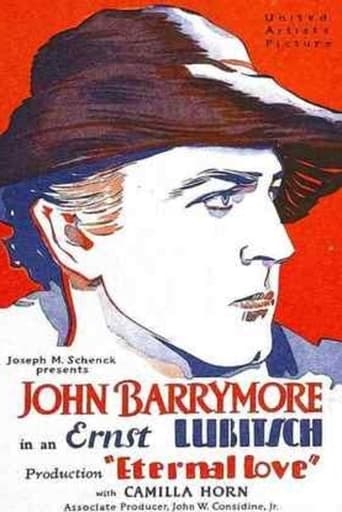
Titles linked here include Eternal Love (1929), The Virginian (1914).
When was Evelyn Selbie born and when did she die?
Born July 4, 1871; died December 7, 1950.
What awards did Evelyn Selbie win?
Evelyn Selbie did not receive any major awards or nominations during her career, which was common for character actors of her era. Her recognition came from consistent work and the respect of her colleagues in the industry.
What was Evelyn Selbie's acting style?
Selbie's acting style was rooted in her theatrical training, characterized by expressive performances suitable for silent films. She excelled at conveying emotion through facial expressions and body language, making her particularly effective in both sympathetic and villainous character roles.
How did Evelyn Selbie transition from silent to sound films?
Selbie successfully navigated the transition to sound films in the late 1920s, continuing to work in character roles though her appearances became less frequent. Her stage background and clear speaking voice helped her adapt to the new medium.
Was Evelyn Selbie married?
Yes, she was married to fellow actor Harry A. Pollard from 1905 to 1910. They divorced and she did not remarry. The couple had no children together.