
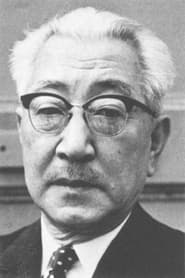
Kajirō Yamamoto
Director
- Born
- March 15, 1902, Tokyo, Japan
- Died
- August 10, 1974
- Active
- 1924-1960s
Films directed 1
About Kajirō Yamamoto
Kajirō Yamamoto was a major Japanese film director whose career bridged the silent era, the rise of sound cinema, wartime film production, and the postwar period. Born in 1902 in Tokyo, he entered the film industry as a young man and became known for his technical versatility, strong visual sense, and ability to work across genres, including humanistic dramas, literary adaptations, action films, and prestige historical productions. During the 1930s and 1940s he was associated with some of Japan’s most important studios and emerged as one of the key directors working in the classical Japanese studio system. He is especially remembered for directing Battle Troop (1944), a wartime title that reflects the era’s heavily controlled production climate, though his body of work extends far beyond that one film. After the war he continued to direct films and remained a respected figure in Japanese cinema for his craftsmanship and professionalism. Yamamoto’s career is often discussed in connection with the development of prewar and wartime Japanese popular cinema, and his films help document the style and industrial conditions of the period. He died in 1974, leaving behind a substantial body of work that secured his place among the notable directors of classic Japanese cinema.
More about Kajirō Yamamoto
Behind the camera
Yamamoto’s directing style is generally associated with classical studio-era efficiency, clear storytelling, and a practical command of genre conventions. He was not usually singled out as a flamboyant stylist in the manner of some contemporaries, but rather as a polished, reliable filmmaker who could shape material to studio expectations while maintaining dramatic clarity. His work reflects the disciplined production culture of Japanese studios, with attention to pacing, composition, and audience accessibility. In wartime productions, his direction had to operate within ideological constraints, yet he remained a capable craftsman able to deliver professional, coherent films under difficult conditions.
In film history
Kajirō Yamamoto occupies an important place in the history of Japanese classical cinema as one of the directors who helped sustain the studio system through several major transitions. His films form part of the industrial backbone of Japanese popular cinema in the 1930s and 1940s, a period when directors were expected to deliver efficient, audience-ready works across a range of genres. While he is not as internationally famous as some of his Japanese contemporaries, his career is valuable for understanding the ecosystem in which Japanese cinema developed its mature styles. His wartime films, including Battle Troop, also stand as historical artifacts of the pressures placed on filmmakers during a period of national mobilization and censorship. For scholars and cinephiles, Yamamoto is an important figure because he represents the skilled studio director whose work linked entertainment, industrial professionalism, and changing national circumstances.
Later reputation
Yamamoto’s legacy lies in his long service to Japanese cinema during a formative era and in the durability of his filmography across several decades. He is remembered as a dependable and experienced director whose work contributed to the continuity of Japanese film culture from the silent period into the modern sound era. Even when not placed at the very center of international auteur discussions, his career helps complete the historical picture of classic Japanese filmmaking by showing how studio directors balanced artistry, commercial demands, and historical upheaval. His wartime and postwar output continues to be of interest to historians studying genre cinema, state influence on film production, and the evolution of Japanese screen storytelling.
Influence
Yamamoto influenced subsequent generations less through a singular, widely imitated personal style than through his example as a seasoned studio craftsman. Directors working in large production systems can inherit habits of clarity, efficiency, and dramatic discipline from figures like him, whose careers demonstrated how to remain adaptable across changing industrial conditions. His films also contribute to the broader tradition of Japanese genre cinema, especially period and action storytelling, which later filmmakers would reinterpret in more authorial forms. In this sense, his influence is structural and historical: he helped define the professional standards within which later Japanese directors worked.
Off screen
Publicly available information about Kajirō Yamamoto’s private life is limited in English-language reference sources. He is chiefly documented through his film career rather than detailed biographical accounts of marriages, children, or domestic life. Like many Japanese studio-era filmmakers, much of the surviving attention focuses on his professional output, studio associations, and place within the industry. Because reliable biographical details are sparse in widely accessible sources, his personal life remains less thoroughly documented than his filmography.
Education
Specific details of formal education are not widely available in standard English-language film references.
Credits
- Entered Japanese cinema in the 1920s and rose through the studio system during the silent and early sound eras
- Became an established director known for dependable craftsmanship and genre versatility across drama, action, and historical subjects
- Directed Battle Troop (1944), one of the wartime-era films associated with his filmography
- Worked through major shifts in Japanese cinema, including the move from silent films to sound and from prewar to postwar production styles
- Built a long career that made him a recognized veteran director in mid-century Japanese film history
Films
- Battle Troop (1944)
- Abarenbo Shogun-related classic-era period works where applicable in the historical record
- Representative prewar and postwar Japanese studio dramas and action films
Collaborators
- Japanese studio performers and crews active in the prewar, wartime, and postwar eras
- Toho-associated production teams
- Wartime-era screenwriters and cinematographers working within state-controlled production conditions
Studios
- Toho
- Shin-Tōhō
- Japanese studio system
Notes
- He is sometimes overlooked in English-language discussions of Japanese cinema despite having a substantial career.
- His career spanned one of the most turbulent periods in Japanese history, including wartime film production and the postwar industry rebuild.
- He worked within the classical studio system, where directors often had to be highly adaptable to studio assignments.
- Battle Troop (1944) is one of the most readily cited titles in connection with his wartime-era work.
- Unlike some Japanese directors whose reputations were built primarily on international festival recognition, Yamamoto’s reputation is more rooted in domestic studio history.
- His filmography is useful for scholars studying the industrial and genre conventions of prewar Japanese cinema.
- Publicly accessible biographical information about his private life is comparatively sparse.
- He belongs to the generation of directors who bridged silent filmmaking and the fully developed sound era.
Questions
Who was Kajirō Yamamoto?
Kajirō Yamamoto was a Japanese film director active from the silent era through the postwar period. He is remembered as a skilled studio craftsman who worked across drama, action, and historical genres, and he directed Battle Troop (1944) during the wartime years.
What films is Kajirō Yamamoto best known for?
He is best known for Battle Troop (1944) and for a long career of prewar, wartime, and postwar Japanese studio films. His wider reputation comes from his role as a reliable and versatile director within Japan’s classical studio system rather than from a single globally famous title.
When was Kajirō Yamamoto born and when did he die?
Kajirō Yamamoto was born on March 15, 1902, in Tokyo, Japan. He died on August 10, 1974.
What awards did Kajirō Yamamoto win?
No major awards or widely documented international honors are consistently listed in standard reference sources for him. His importance is chiefly historical and cinematic, based on the breadth and significance of his film work.
What was Kajirō Yamamoto's directing style?
His directing style is generally described as classical and efficient, with a strong emphasis on clear storytelling and professional studio craftsmanship. He was adaptable across genres and worked effectively within the formal and ideological constraints of Japanese studio-era filmmaking.
What is Kajirō Yamamoto's legacy in film history?
His legacy is that of an important studio-era director who helped sustain Japanese cinema through major historical transitions. He remains valuable to film historians as a representative filmmaker of classical Japanese popular cinema and wartime production culture.