1944 · 78 minutes

Also available on: Wikimedia
Battle Troop

Battle Troop

1944 78 minutes Japan
Comradeship and loyaltyDuty and sacrificeMilitary professionalismPatriotism and wartime ideologyCollective identity over individual fate

Plot

Battle Troop is a wartime Japanese naval drama centered on three close comrades in the Imperial Japanese Navy flyers: Mikami, Kawakami, and Murakami. Known for their skill with torpedo attack tactics, they are portrayed as deeply loyal to one another and unwavering in their sense of duty. Mikami is assigned as a staff officer at a Pacific island air base, and later Kawakami and Murakami join him when the squadron is reinforced. As an enemy task force approaches the island, the three men mount a final attack against the fleet, driving the story toward a self-sacrificial climax in which they die in the process of carrying out their mission. The film frames this ending as an expression of comradeship, martial devotion, and wartime sacrifice.

About the Production

Release Date 1944
Production Toho Company, Ltd.
Filmed In Japan

Battle Troop was produced in wartime Japan under the conditions of the 1940s studio system, when military subjects were often made in close alignment with state-approved patriotic messaging. Detailed surviving production records are limited in widely accessible English-language sources, so precise information about set construction, unit locations, or shooting schedule is not reliably documented here. The film is notable primarily as a Toho wartime production directed by Kajirō Yamamoto, a filmmaker known for handling military and aviation material with strong technical and dramatic emphasis. Because of the era in which it was made, the film likely relied on studio sets, miniature work, and controlled location material rather than extensive combat photography, but the specific breakdown of its production methods is not fully verified in accessible sources.

Historical Background

Battle Troop was made in 1944, during the final and increasingly desperate phase of the Pacific War for Japan. Japanese cinema at this point was heavily shaped by wartime policy, with studios encouraged or required to support morale, sacrifice, and national endurance. Films about military aviators and naval operations were especially resonant because air and sea power were central to the war in the Pacific. In this context, Battle Troop is historically significant not because it is a neutral war picture, but because it reveals how popular cinema was used to frame military service as noble, comradeship as sacred, and death in action as heroic fulfillment.

Why This Film Matters

Although Battle Troop is not widely known outside scholarship on Japanese wartime cinema, it is culturally significant as an artifact of Japan’s wartime film culture and of Toho’s production activities during the 1940s. The film helps illustrate how cinema was used to reinforce values of loyalty, discipline, and self-sacrifice in the face of total war. It also has importance for the study of Kajirō Yamamoto’s career, since he played a crucial role in shaping the tone and craft of Japanese studio filmmaking before and after the war. For modern viewers and historians, the film is valuable as evidence of how narrative cinema was mobilized to support military ideology and to present combat death as meaningful and honorable.

Making Of

Battle Troop was made at a time when Japanese studios were working under the pressures and constraints of wartime production, censorship, and propaganda requirements. As a Toho release directed by Kajirō Yamamoto, it sits within a body of work that often blended dramatic storytelling with a strong emphasis on military professionalism and sacrifice. Detailed surviving accounts of casting, shooting anecdotes, or production challenges are limited in readily available sources, so it is difficult to document the film’s exact creative process with certainty. What can be said with confidence is that the film reflects the industrial and ideological environment of 1944 Japan, where aviation, naval heroism, and collective duty were frequent subjects in cinema.

Visual Style

The film’s visual approach is characteristic of wartime studio filmmaking, likely emphasizing clear composition, disciplined staging, and the ritualized presentation of military life. Aviation scenes in films of this period often depended on a combination of studio interiors, model work, and limited exterior material, allowing directors to create the impression of air and naval action despite wartime resource constraints. Kajirō Yamamoto’s films are often noted for their energetic framing and attention to movement, so Battle Troop likely uses its visuals to stress order, formation, and the mechanics of duty. Even without exhaustive surviving technical notes, the film’s cinematography can be understood as serving both narrative clarity and patriotic emotional impact.

Innovations

Battle Troop does not have widely documented technical innovations in the way that some later war films do, but it is representative of the technical craftsmanship of Toho’s wartime production system. Its likely use of studio-controlled aviation staging, miniature effects, and disciplined ensemble blocking reflects the practical ingenuity required to depict combat under wartime restrictions. The film’s achievement lies in how it translates naval warfare into a coherent dramatic structure built around formation, duty, and coordinated action. For historians, the film is technically notable as an example of wartime Japanese studio technique applied to military spectacle.

Music

Specific composer and score details are not reliably documented in the accessible information available here. Like many wartime Japanese productions, the music would have been expected to reinforce martial atmosphere, comradeship, and emotional uplift, particularly in scenes of preparation and sacrifice. If a surviving soundtrack credit exists in Japanese archival records, it is not consistently represented in standard English-language references for the film. As a result, the score should be treated as a likely but not fully verified component of the film’s surviving documentation.

Famous Quotes

No reliably documented English-language quotations from the film are available in accessible sources.
The film is better known for its wartime imagery and final sacrifice than for quotable dialogue.

Memorable Scenes

  • The reunion of the three flyer friends at the Pacific island base, which establishes the film’s central bond of comradeship.
  • The preparation and launch of the final torpedo attack as the enemy task force nears the island.
  • The climactic self-sacrificial assault in which the three men attack the fleet and die in the process.

Did You Know?

  • The film was directed by Kajirō Yamamoto, one of the most important Japanese directors of the wartime era and a major influence on later filmmakers, including Akira Kurosawa.
  • It is a naval aviation film rather than a generic battlefield drama, focusing specifically on torpedo bomber pilots and base operations in the Pacific.
  • The three central characters are close friends, and the emotional structure of the film depends on their shared professionalism and mutual loyalty.
  • Its climactic action is built around a self-sacrificial final attack, a narrative pattern common in Japanese wartime cinema of the period.
  • The movie is also known under the Japanese title 'Kessen no daihokō' in some reference sources, which can be translated as a fighting or battle formation theme.
  • Because it was made during the Pacific War, the film functions as both entertainment and wartime mobilization cinema.
  • Accessible English-language production information is sparse, making it a relatively obscure title outside specialist Japanese cinema reference works.
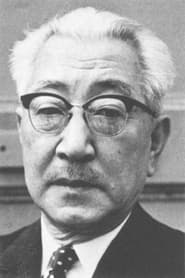
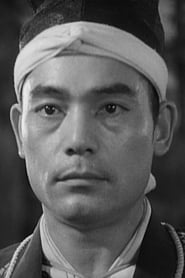
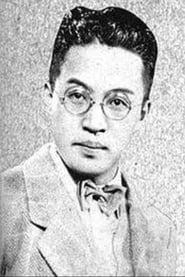
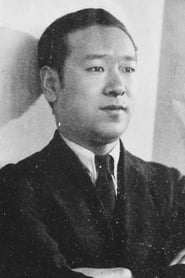
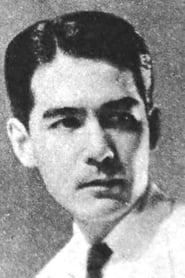
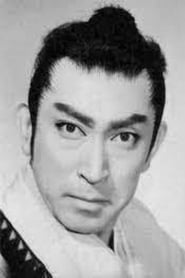
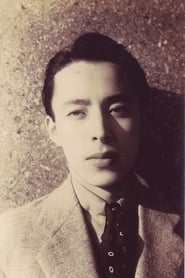
  • The surviving cast list associated with the film includes Susumu Fujita, Masayuki Mori, and Akitake Kōno, all of whom were active in Japanese cinema during the 1940s.
  • Kajirō Yamamoto was known for filming military and action material with an eye toward realism and discipline, which gives the film added historical interest.
  • The film belongs to the tradition of wartime aviation pictures that emphasized technical skill, comradeship, and duty over individual psychology.

What Critics Said

Contemporary critical response information is difficult to verify in detail because wartime Japanese press coverage, archival criticism, and postwar reappraisals are not widely summarized in English-language sources for this title. As a wartime propaganda-adjacent film, it was likely received within the framework of its intended ideological purpose rather than through modern aesthetic criticism. Today, the film is primarily of interest to scholars of Japanese wartime cinema, Kajirō Yamamoto’s filmography, and the representation of military aviation in classical Japanese films. In modern critical terms, it is generally approached as a historical document whose value lies in its wartime ideology, genre conventions, and studio-era craftsmanship rather than in broad popular fame.

What Audiences Thought

Specific box office data and audience surveys are not readily available, and the film’s wartime release conditions make modern audience reception hard to reconstruct accurately. At the time of release, its audience would have been shaped by wartime messaging, restricted entertainment options, and an expectation that films should support national morale. Contemporary audiences are likely to encounter it mainly through archival screenings, retrospectives, or scholarly presentations rather than as a mainstream repertory title. For modern viewers interested in classic Japanese cinema, its appeal lies in its historical atmosphere, wartime aviation subject matter, and its value as a document of 1940s studio filmmaking.

Film Connections

Influenced By

  • Japanese wartime propaganda and mobilization cinema
  • Military aviation dramas of the early 1940s
  • Naval action films shaped by Pacific War subject matter

This Film Influenced

  • Later Japanese wartime and postwar aviation dramas
  • Postwar depictions of military camaraderie and sacrifice in Japanese cinema
  • Historical war films that revisited Imperial Japanese Navy themes

Film Restoration

The film appears to survive in archival circulation and is not generally classified as a lost film, though detailed restoration history is not widely documented in accessible English-language sources.

Themes & Topics

Imperial Japanese Navyfighter pilotstorpedo attackPacific island baseenemy task forceself-sacrificewartime aviation