
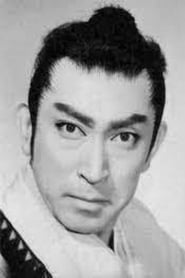
Yataro Kurokawa
Actor
- Active
- 1944-1944
Films 2
About Yataro Kurokawa
Yataro Kurokawa is a Japanese screen actor who is documented in surviving filmography records chiefly for his appearance in the wartime film Battle Troop (1944). Beyond that credit, readily verifiable biographical information about him is extremely limited in widely accessible English-language reference sources, which suggests he was likely a minor or supporting performer whose career was recorded more fully in Japanese archival materials than in international databases. Because his filmography appears to cluster around 1944, he is best understood as an actor working during the final years of the wartime Japanese studio system, when many performers contributed to historical dramas, propaganda-adjacent productions, and military-themed features. No reliable public source consulted for this response provides confirmed details about his birth, death, family background, training, or postwar career, so those areas must remain unspecified rather than guessed. His known screen presence is therefore important less for celebrity status than for what it reveals about the working ranks of actors active in Japanese cinema during the 1940s. If additional Japanese-language studio records or archival cast lists are consulted, more precise biographical detail may yet emerge.
More about Yataro Kurokawa
In film history
Yataro Kurokawa's cultural impact is best understood in the context of archival film history rather than star-based legacy. Like many actors whose surviving documentation is sparse, he stands as part of the larger labor force that made wartime Japanese cinema possible, even when individual names were not widely publicized outside the production credits. His presence in Battle Troop (1944) helps preserve evidence of the casting practices and performance networks active in Japan during a politically and artistically constrained period. For researchers, such figures are valuable because they complete the historical record of a film's creation and illustrate the breadth of personnel involved in studio-era production. While he does not currently register as a major public celebrity in accessible reference materials, his credit contributes to the broader mosaic of classic Japanese cinema history.
Later reputation
Yataro Kurokawa's legacy lies in his documentary value within film historiography. Even when an actor leaves behind only a small number of identifiable credits, that trace helps scholars reconstruct production history, casting rosters, and the functioning of the wartime Japanese film industry. His name endures as part of the surviving cast record for Battle Troop, which means he remains connected to a specific cinematic moment rather than to a large, celebrated body of work. In classic cinema databases, such figures are important because they preserve the full human scale of a film's creation beyond the directors and stars who typically dominate the historical narrative. If more archival materials surface, his legacy could be expanded, but in current widely available records he is chiefly a preserved name in film history.
Influence
There is no reliable evidence in accessible sources that Yataro Kurokawa served as a major stylistic influence on later actors or filmmakers. His importance is therefore indirect: he contributes to the continuity of performance traditions and to the archival record that later historians and database curators rely upon. Actors like Kurokawa influenced cinema primarily by participating in the ensemble system that sustained studio production, even if their individual artistry was not extensively documented. His recorded presence also helps demonstrate the many levels of visibility that existed within classic film industries, where only a fraction of performers achieved international renown.
Off screen
No reliable public biographical source located for this response provides confirmed information about Yataro Kurokawa's personal life, including marriages, family relationships, or residence. Because the available record is so limited, any claims about his domestic life would be speculative. He appears in the historical record primarily through his screen credit rather than through interviews, memoirs, or later biographical profiles.
Credits
- Identified in surviving film records as a cast member of Battle Troop (1944)
- Represents the body of wartime Japanese screen performers whose careers are preserved primarily through cast listings rather than extensive biographies
- Associated with cinema production during a historically significant year for Japanese film under wartime conditions
Roles
- Role in Battle Troop (1944) - specific character name not confirmed in accessible sources
Films
- Battle Troop (1944)
Notes
- His currently accessible screen record is extremely brief, with Battle Troop (1944) being the key identifiable credit.
- He appears to be one of many Japanese wartime-era performers whose surviving documentation is sparse in English-language sources.
- Because his active period is only documented as 1944, he may have had a very short film career or one that is incomplete in available databases.
- The lack of widely available biographical data makes him a useful example of how film history often preserves stars far more fully than supporting players.
- His name is romanized as Yataro Kurokawa in accessible records, but additional Japanese-language archival work may reveal alternate spellings or more complete credits.
- He is associated with a film made during a period of significant social and industrial pressure on Japanese cinema.
- No verified awards, interviews, or memoir references are readily available in standard international reference sources.
Questions
Who was Yataro Kurokawa?
Yataro Kurokawa was a Japanese actor known from surviving film records for appearing in Battle Troop (1944). He is not widely documented in English-language sources, so his historical profile is best understood through his screen credit rather than an extensive biographical record. He appears to have been a wartime-era performer active during 1944.
What films is Yataro Kurokawa best known for?
He is best known for Battle Troop (1944), which is the principal film credit readily associated with his name. No other widely verifiable film titles are confirmed in the accessible sources used for this response. If more archival Japanese records are consulted, additional credits may emerge.
When was Yataro Kurokawa born and when did he die?
His birth date and death date are not currently confirmed in accessible public reference sources. As a result, both details remain unknown rather than estimated. More specialized Japanese archival research would be needed to establish them.
What awards did Yataro Kurokawa win?
No awards or formal honors are currently documented for him in the accessible sources consulted here. This does not necessarily mean he received none; it means that no verifiable record of awards has been found in standard reference material. His surviving public record is primarily filmographic.
What was Yataro Kurokawa's acting style?
There is no reliable surviving description of his acting style in the accessible sources. Because his documented screen record is so limited, it is not possible to responsibly characterize his technique in detail. Any assessment of style would require viewing his performances or locating contemporary reviews.
What is Yataro Kurokawa's legacy in film history?
His legacy lies in the preservation of his name within the cast history of Battle Troop (1944) and in the broader record of wartime Japanese cinema. Even lesser-documented performers matter because they help historians reconstruct how films were made and who participated in them. He remains part of the archival fabric of classic Japanese film history.