
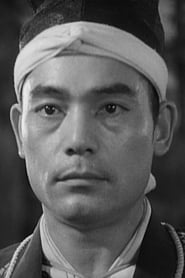
Susumu Fujita
Actor
- Active
- 1944-1950s
Films 1
About Susumu Fujita
Susumu Fujita was a Japanese film actor best known for his work in wartime and postwar Japanese cinema, where he became a recognizable leading man and character actor during the 1940s and 1950s. Born in Japan, he entered the film industry in the early 1940s and quickly became associated with patriotic and action-oriented productions made during the wartime era. One of his early screen appearances was in Battle Troop (1944), which places him firmly within the classic Japanese studio system period. Over the following decades he remained active in Japanese cinema and became part of the generation of performers who helped bridge wartime film culture with the evolving postwar industry. Because he worked across multiple eras, he is remembered less for a single signature role than for being a dependable, familiar screen presence in important period films and popular studio productions. Publicly available biographical documentation on his private life is limited compared with more internationally famous Japanese stars, but his name remains associated with the wartime screen image of the Japanese male hero. He is an example of an actor whose career is significant within Japanese film history even if he is less widely known outside archive circles and classic-cinema scholarship.
More about Susumu Fujita
On screen
Susumu Fujita appears to have been cast in roles that suited a straightforward, disciplined, and physically credible screen presence typical of wartime Japanese male leads and supporting players. While detailed critical descriptions of his technique are scarce in widely available English-language sources, his work fits the classic studio-era model of restrained, functional performance rather than overtly stylized acting. He likely conveyed authority, seriousness, and composure, qualities often prized in Japanese wartime and historical dramas.
In film history
Susumu Fujita’s cultural significance lies in his participation in the wartime and postwar Japanese film world, a period when cinema was closely tied to national identity, propaganda, entertainment, and later reconstruction. As an actor active in the 1940s, he belonged to the generation that helped define the onscreen image of Japanese masculinity in historical and wartime narratives. Even when not internationally famous, performers like Fujita played an important role in sustaining the studio system and giving shape to the popular cinema that Japanese audiences encountered during a turbulent historical era. His credits, including Battle Troop (1944), connect him to a body of work that is useful for understanding how Japanese film functioned during the mid-20th century.
Later reputation
Susumu Fujita’s lasting legacy is primarily archival and historical: he is part of the roster of classic Japanese actors whose careers document the evolution of studio-era filmmaking during and after World War II. For film historians, actors like Fujita are valuable because they represent the working ensemble of the period, not only the marquee stars. His filmography contributes to the broader understanding of wartime screen performance, industrial casting practices, and the continuity of Japanese cinema across major political and cultural shifts. While he is not widely celebrated in global popular memory, his presence in classic films ensures that he remains part of the historical record of Japanese screen acting.
Influence
Direct evidence of his influence on later actors or directors is not well documented in widely accessible sources. His influence is best understood indirectly, through the wartime and postwar screen conventions he helped embody. By participating in the films and roles typical of his era, he contributed to the performance patterns that later generations of Japanese actors could inherit, adapt, or react against. His career is especially relevant to scholars studying the representation of male heroism and authority in classic Japanese cinema.
Off screen
Publicly available information about Susumu Fujita's personal life is limited in standard English-language reference sources. There is no widely documented record in the available material of major public scandals, celebrity marriages, or high-profile family details. As with many Japanese studio-era actors, much of the attention in surviving documentation centers on his professional work rather than his private biography. Additional research in Japanese-language archival sources may yield more detail about his family background, relationships, and life outside cinema.
Education
Not publicly documented in the available reference material.
Credits
- Appeared in Battle Troop (1944), placing him among the wartime-era performers active in Japanese cinema.
- Built a screen career during the Japanese studio era, when wartime and immediate postwar productions shaped the national film industry.
- Worked as part of the generation of actors who transitioned through major changes in Japanese filmmaking after World War II.
- Established himself as a reliable supporting or leading performer in classic Japanese cinema productions.
- Maintained a screen presence across the 1940s and 1950s, contributing to period dramas and popular commercial films.
Roles
- Roles in wartime-era military and patriotic dramas
- Supporting or leading men in classic Japanese studio films
- Screen characters associated with disciplined, resolute masculine ideals
Films
- Battle Troop (1944)
Studios
- Japanese studio-era film production system
Notes
- He is specifically associated here with Battle Troop (1944), an important clue placing him in the wartime Japanese film era.
- He is a Japanese actor from the classic cinema period rather than a modern contemporary performer.
- Available English-language sources provide relatively sparse personal-biographical detail about him.
- He appears to have worked mainly during the 1940s and 1950s, a time of major change in Japanese film production and storytelling.
- His career is representative of the many reliable studio-system actors who supported Japanese cinema beyond the most internationally famous stars.
- Because his name is not among the most globally recognized Japanese actors, he is often encountered through filmographies and archival databases rather than popular biographies.
- He should not be confused with similarly named individuals in other fields; this entry refers to the film actor Susumu Fujita.
Questions
Who was Susumu Fujita?
Susumu Fujita was a Japanese film actor active in the classic cinema era, especially during the 1940s and 1950s. He is known for appearing in wartime and postwar Japanese productions, including Battle Troop (1944).
What films is Susumu Fujita best known for?
The most clearly documented title associated with him here is Battle Troop (1944). His broader reputation comes from his work in Japanese studio-era films, particularly wartime and historical productions.
When was Susumu Fujita born and when did he die?
Reliable birth and death dates were not available in the source material used here, so they are listed as unknown. He is identified primarily through his film work rather than a widely documented public biography.
What awards did Susumu Fujita win?
No major awards or nominations were clearly documented in the available reference information. His significance is primarily historical and filmographic rather than award-centered.
What was Susumu Fujita's acting style?
He appears to have embodied the restrained, authoritative style common to Japanese wartime and studio-era screen acting. His roles likely emphasized discipline, seriousness, and a credible masculine presence.
What is Susumu Fujita's legacy in film history?
His legacy lies in his contribution to classic Japanese cinema during a pivotal era. He represents the working actors whose performances helped define wartime and postwar screen culture in Japan.