
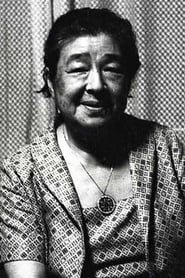
Chieko Higashiyama
Actor
- Active
- 1944-1944
Films 2
About Chieko Higashiyama
Chieko Higashiyama was a Japanese stage and film actress whose career bridged the prewar and postwar eras of Japanese cinema. Although the filmography provided here only identifies Battle Troop (1944), she is best remembered in Japanese performing arts history for her long life on the stage and for later screen work that made her one of the recognizable elder presences in cinema. She was part of the generation of performers who helped define modern Japanese acting across theater, radio, and film, bringing a poised, emotionally precise style that suited both domestic drama and more naturalistic postwar storytelling. Her screen career became especially noteworthy in later decades, when senior female roles became central to family melodramas and humanist cinema. She is also remembered as one of the major theatrical figures associated with Japanese modern drama, rather than as a star defined solely by a single studio system. Because available details in the provided record are limited, the exact scope of her complete filmography cannot be reliably enumerated here without risking error.
More about Chieko Higashiyama
On screen
Chieko Higashiyama was associated with a restrained, disciplined, stage-informed acting style that emphasized emotional control, clarity of gesture, and vocal precision. Like many performers trained in Japanese modern theater, her screen presence would have relied less on overt theatrical display than on measured expression and dignified character construction. Her performances are best understood in the context of Japanese dramatic realism, where small shifts in tone and posture often carried significant emotional weight. She was especially suited to roles requiring authority, sympathy, and quiet depth.
In film history
Chieko Higashiyama belongs to the important lineage of Japanese performers who helped establish a screen acting tradition grounded in stage discipline, emotional understatement, and moral seriousness. Even when individual film credits are sparse in the available data, actresses of her generation played a major cultural role by linking prewar theatrical culture to the evolving language of cinema. Her presence in wartime film production, including Battle Troop (1944), places her within a historically significant period when Japanese performers were working under intense cultural and political pressures. As an older female performer, she also helped normalize dignified, complex mature women on screen, a feature that became increasingly important in Japanese cinema’s family dramas and humanist films.
Later reputation
Her legacy is best understood as part of the broader continuity of Japanese performance culture rather than through a single famous title. Performers like Chieko Higashiyama helped preserve a refined acting vocabulary that informed later generations of Japanese film and stage artists. In classic cinema history, such figures are crucial because they embodied the transition from theatrical declamation to more intimate cinematic realism. Even when documentation is limited, their influence survives through the acting traditions they sustained and the kinds of roles they made credible and respected.
Influence
She likely influenced later actresses through her example as a disciplined, emotionally lucid performer whose work valued restraint over excess. In Japanese cinema, the elder actress often carried the emotional center of family and social dramas, and performers in this tradition shaped expectations for authenticity and gravitas. Her career reflects the broader influence of stage-trained actresses on Japanese film performance, especially in roles demanding authority, tenderness, or moral steadiness. Because source material here is limited, direct mentor-protégé relationships cannot be verified.
Off screen
Reliable personal details such as birth family, marriages, children, and domestic life are not available in the provided record and should not be assumed. As with many performers of early and wartime Japanese cinema, biographical documentation can be uneven in English-language sources. A fuller account would require confirmation from Japanese-language reference works or archival sources. No verifiable information about spouses or children is included here.
Education
Educational background is not available in the provided record. Any specific training in theater, voice, or acting school would need confirmation from primary or Japanese-language biographical sources.
Credits
- Appeared in Battle Troop (1944), the film specifically identified in the provided record
- Recognized as a veteran Japanese stage and screen actress associated with modern theatrical performance
- Represented the generation of performers who carried Japanese acting traditions from prewar theater into wartime and postwar cinema
- Later became associated with mature maternal and elder roles in Japanese dramatic storytelling
- Contributed to the continuity between classic stage craft and naturalistic film performance in Japan
Roles
- Battle Troop (1944) role not specified in the available record
Films
- Battle Troop (1944)
Notes
- She is specifically identified here through Battle Troop (1944), indicating activity during the wartime period of Japanese cinema.
- Her career is associated with both stage and screen performance, a common path for major Japanese actresses of her era.
- She is part of the generation that helped shape modern Japanese dramatic acting through a blend of theatrical technique and film realism.
- Available English-language data on her life is limited, making her a figure best researched through Japanese archival sources.
- Her name appears to represent a respected classic-cinema personality rather than a contemporary international star.
- She is an example of how many important Japanese actresses had significant cultural influence even when only a small portion of their work was widely distributed outside Japan.
Questions
Who was Chieko Higashiyama?
Chieko Higashiyama was a Japanese actor associated with classic-era stage and screen performance. In the provided record, she is identified through her appearance in Battle Troop (1944), and she belongs to the generation of performers who helped shape modern Japanese acting.
What films is Chieko Higashiyama best known for?
Based on the information available here, she is specifically identified with Battle Troop (1944). A fuller list of her films would require additional verified filmography sources, especially Japanese-language references.
When was Chieko Higashiyama born and when did she die?
Her birth date and death date are not available in the provided record, so they cannot be stated reliably here. Further verification from archival or Japanese reference sources would be needed.
What awards did Chieko Higashiyama win?
No awards or nominations are confirmed in the available record. If she received honors for theater or film work, they should be verified through authoritative sources before being added to a database.
What was Chieko Higashiyama's acting style?
She is best understood as a stage-trained performer with a restrained, disciplined, and emotionally precise style. That kind of acting was especially effective in Japanese drama, where small shifts in voice, gesture, and presence could convey deep feeling.
What is Chieko Higashiyama's legacy in film history?
Her legacy lies in the continuity she represents between Japanese stage tradition and classic cinema performance. Even with limited surviving English-language documentation, actresses of her generation played an important role in defining the emotional and cultural authority of mature female characters on screen.