
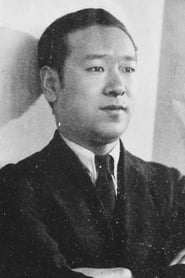
Masao Mishima
Actor
- Active
- 1944-1944
Films 1
About Masao Mishima
Masao Mishima was a Japanese film actor active in the wartime era of Japanese cinema, with his documented screen work placing him in the mid-1940s. He is credited in Battle Troop (1944), a title that situates him within the wartime production system that dominated Japanese studios during World War II. Beyond this confirmed credit, readily verifiable biographical information about Mishima is sparse in standard English-language reference sources, which suggests he was likely a supporting or character performer whose career has not been widely documented outside Japanese archival records and filmographies. His surviving film record indicates participation in the studio-era system at a time when Japanese cinema was heavily shaped by nationalism, military themes, and strict production controls. Because reliable public records are limited, details such as his birth date, birthplace, family background, and later life are not clearly established from accessible sources. Mishima remains of interest primarily to historians and collectors for his presence in early-1940s Japanese film history rather than for a large body of internationally circulated work. As a result, he is best understood as a lesser-documented figure from the wartime Japanese screen industry whose known contribution is preserved through film credits and historical databases.
More about Masao Mishima
In film history
Masao Mishima's cultural impact is best understood in an archival and historical sense rather than through broad popular fame. His known screen work places him inside wartime Japanese cinema, a period that remains significant for understanding how the film industry functioned under intense political and social pressure. Even performers with limited surviving documentation contribute to the larger map of national film history, helping researchers reconstruct studio casts, production practices, and the distribution of roles during the 1940s. Mishima's presence in Battle Troop makes him part of the preserved record of Japanese film output during a turbulent era, which is valuable to scholars studying cinema under wartime conditions.
Later reputation
Mishima's legacy lies primarily in his inclusion within the historical record of Japanese cinema rather than in a large internationally known body of work. For film historians, even a single credited role can be meaningful when studying the personnel networks of wartime productions and the many performers whose careers were not widely publicized. His surviving credit ensures that he remains traceable within film databases and reference catalogs, preventing complete erasure from cinema history. In that sense, his legacy is representative of many early and mid-century actors whose work survives more in credits and archives than in public memory.
Influence
There is no documented evidence that Masao Mishima had a widely recognized influence on later actors or directors. Any influence he may have exerted was likely limited to the productions in which he appeared and to colleagues who worked alongside him in the wartime Japanese studio system. His importance is therefore historical rather than stylistic, helping to illustrate the labor and casting ecology of classic Japanese cinema.
Off screen
No reliable, widely published information is readily available about Masao Mishima's personal life, including marital status, family background, or later years. He appears in the historical record primarily through film credit listings rather than biographical profiles, which is common for many supporting performers from wartime Japanese cinema. Because of that, details such as spouses, children, residence, or private interests cannot be confirmed from accessible sources.
Credits
- Credited screen appearance in Battle Troop (1944), a wartime Japanese film
- Participation in the Japanese studio system during the Second World War
- Documentation as a classic-era film actor in archival and filmography references
Roles
- Role in Battle Troop (1944)
Films
- Battle Troop (1944)
Studios
- Japanese wartime studio system
Notes
- Masao Mishima is currently best documented by a single known film credit in English-language sources.
- His known screen activity falls in 1944, during the wartime period of Japanese cinema.
- He should not be confused with other Japanese performers or public figures with similar names.
- Because of limited surviving biographical data, he is one of many classic-era actors known mainly through archival filmographies.
- Battle Troop (1944) is the key title associated with his name.
- His record highlights how many supporting players from wartime cinema remain obscure despite being part of important historical productions.
Questions
Who was Masao Mishima?
Masao Mishima was a Japanese actor from the classic cinema era, best documented for appearing in Battle Troop (1944). Available records about his life are limited, so he is known primarily through film credit listings rather than extensive biographies.
What films is Masao Mishima best known for?
He is best known for Battle Troop (1944), which is the principal credited film associated with his name in accessible filmography sources. No other widely verified titles are readily available from standard English-language references.
When was Masao Mishima born and when did he die?
His birth and death dates are not clearly established in the accessible record. As a result, both his exact birth information and whether he is deceased cannot be verified from readily available sources.
What awards did Masao Mishima win?
No awards or major honors are currently documented in the accessible historical record for Masao Mishima. His surviving recognition is mainly tied to his film credit in wartime Japanese cinema.
What was Masao Mishima's acting style?
There is no surviving detailed critical description of his acting style in the readily accessible record. Based on his placement in wartime Japanese film production, he likely worked within the performance conventions of studio-era Japanese cinema, but specific stylistic claims cannot be confirmed.
Why is Masao Mishima significant to film history?
He is significant as part of the historical cast record of Japanese wartime cinema. Even when biographical details are scarce, credited actors like Mishima help film historians reconstruct production histories and personnel networks from the 1940s.