
Films
1 film
About Nina Ivanova
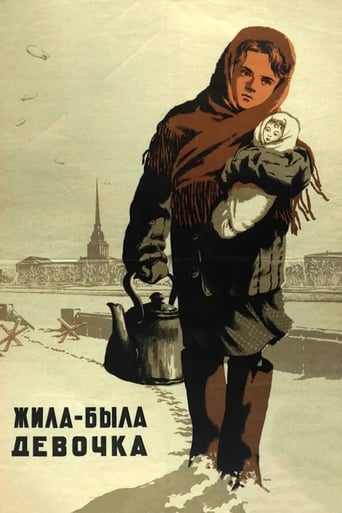
Soviet actress: career was notably brief, consisting primarily of her appearance in the 1944 film 'Once There Was a Girl.' This film, also known by its Russian title 'Byla devochka,' was produced during World War II, a period when Soviet cinema was heavily focused on patriotic themes and morale-boosting narratives. Ivanova's role in this production represents her only documented film appearance, making her a somewhat mysterious figure in Soviet cinema history. The film itself was directed by Viktor Eisymont and was part of the wartime cinematic output that aimed to inspire hope and resilience among Soviet citizens. Despite her limited filmography, Ivanova's contribution to this specific wartime production places her within the broader context of Soviet actresses who participated in the cultural effort during the Great Patriotic War. Her career appears to have been confined to this single year of activity, 1944, which coincides with a critical period in Soviet history when the film industry was mobilized for the war effort.
The Craft
Milestones
- Starred in 'Once There Was a Girl' (1944) during World War II
Best Known For
Iconic Roles
Must-See Films
Working Relationships
Worked Often With
Studios
Why They Matter
Impact on Culture
Nina Ivanova's cultural impact is primarily tied to her participation in Soviet wartime cinema during 1944, a crucial period when films served as important tools for morale and propaganda. Her appearance in 'Once There Was a Girl' contributed to the broader Soviet effort to maintain civilian spirit during the Great Patriotic War. While her individual impact may be limited due to her brief career, she represents the many Soviet actors and actresses who contributed to the cultural front during World War II, even if their careers were short-lived or undocumented. The film itself was part of a larger body of work that helped shape Soviet cultural memory of the war period.
Lasting Legacy
Nina Ivanova's legacy in film history is that of a representative figure from the vast pool of Soviet wartime actors whose careers were either brief or poorly documented. She stands as an example of the many performers who contributed to cinema during extraordinary historical circumstances but whose personal stories remain largely unknown. Her single known film appearance serves as a reminder of the countless individuals who participated in creating cinematic art during times of conflict, often without receiving recognition or having their careers fully documented. In the broader context of film history, she represents the ephemeral nature of some acting careers, particularly during periods of social and political upheaval.
Who They Inspired
Due to her extremely brief and limited filmography, there is no documented evidence of Nina Ivanova influencing other actors or directors. Her influence is primarily historical, serving as part of the collective effort of Soviet cinema during World War II rather than as an individual artistic influence on subsequent generations of performers or filmmakers.
Off Screen
Very little is documented about Nina Ivanova's personal life, which is not uncommon for actresses with such brief careers in Soviet cinema during the 1940s. Her limited filmography and the historical context of wartime Soviet Union make detailed biographical information scarce.
Did You Know?
- Her entire documented film career consists of just one film in 1944
- The film 'Once There Was a Girl' was produced during the height of World War II
- She was part of the Soviet film industry during a period when cinema was heavily state-controlled
- Her brief career coincides with the final year of the Siege of Leningrad
- Very little biographical information about her survives in historical records
- She represents the many Soviet actors whose careers were cut short or undocumented due to wartime circumstances
Frequently Asked Questions
Who was Nina Ivanova?
Soviet actress active in 1944, known primarily for her role in the wartime film 'Once There Was a Girl.' Her career was extremely brief, consisting of this single documented film appearance during World War II.
What films is Nina Ivanova best known for?
Titles linked here include Once There Was a Girl (1944).
When was Nina Ivanova born and when did she die?
Specific birth and death dates for Nina Ivanova are not documented in available historical records, which is not uncommon for Soviet actors with very brief careers during the 1940s.
What awards did Nina Ivanova win?
There are no documented awards or nominations for Nina Ivanova, likely due to her extremely brief film career consisting of only one appearance in 1944.
What was Nina Ivanova's acting style?
Due to the limited documentation of her work and the fact that only one of her films survives as a credit, there is insufficient information to determine Nina Ivanova's specific acting style or techniques.
Why was Nina Ivanova's career so short?
While specific reasons are unknown, her brief career during 1944 may have been influenced by World War II circumstances, the challenging conditions of Soviet film production during wartime, or personal choices to pursue other endeavors after the war.