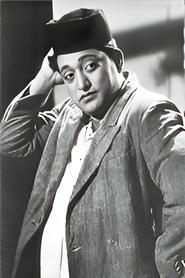
Bhagwan Dada
Actor & Director
Born: August 1, 1913 in Bombay, Maharashtra, British India Died: February 4, 2002 Active: 1929-1986 Birth Name: Bhagwan Abhaji Palav
Films
3 films
About Bhagwan Dada
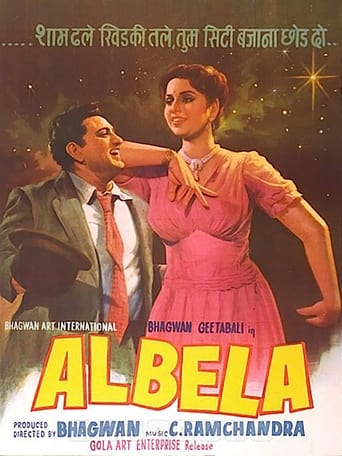
Bhagwan Dada, born Bhagwan Abhaji Palav, was a figure in Indian cinema who rose from humble beginnings to become successful actor-directors of his era. Beginning his career in silent films during the 1920s, he transitioned successfully to talkies and established himself as a versatile performer known for his distinctive dance style and comic timing. His 1951 film 'Albela' became a massive commercial success, featuring his signature dance moves and the popular song 'Shola Jo Bhadke' that remains even today. Despite reaching the pinnacle of success with Albela, Bhagwan Dada faced financial difficulties later in life and had to sell his bungalow and cars. He continued acting in supporting roles through the 1960s and 1970s, often playing comedic characters in films starring Rajesh Khanna and Amitabh Bachchan. His over five decades, during which he acted in more than 300 films and directed several others, leaving an indelible mark on Indian cinema with his unique style and memorable performances.
The Craft
On Screen
Bhagwan Dada was known for his energetic and flamboyant acting style, characterized by exaggerated facial expressions, distinctive body movements, and a unique dance style that involved swinging his arms and legs in a particular rhythm. His performances often combined comedy with drama, and he had a natural flair for timing that made his comedic scenes particularly memorable. His signature dance moves, especially the shoulder-shaking step in 'Shola Jo Bhadke' from Albela, became so popular that they were widely imitated across India.
Behind the Camera
As a director, Bhagwan Dada favored musical entertainers with strong commercial appeal, focusing on creating films that showcased his talents as a dancer and actor. His directorial approach emphasized spectacle, elaborate dance sequences, and catchy music that would appeal to mass audiences. He had a keen understanding of what worked commercially and often incorporated elements of comedy, romance, and drama to create complete entertainment packages.
Milestones
- Started career in silent films during the 1920s
- Directed and starred in the blockbuster hit Albela (1951)
- Pioneered a unique dance style that became his signature
- Owned a lavish bungalow and fleet of cars at the height of his success
- Successfully transitioned from lead roles to character roles in later years
- Influenced generations of dancers and actors in Indian cinema
Best Known For
Iconic Roles
Must-See Films
Accolades
Won
- Filmfare Award for Best Actor (1952) - Nomination for Albela
Nominated
- Filmfare Award for Best Actor (1952) for Albela
Special Recognition
- Honored with a postage stamp by India Post in 2013
- Remembered as one of the dancer-actors of Indian cinema
Working Relationships
Worked Often With
Studios
Why They Matter
Impact on Culture
Bhagwan Dada revolutionized dance in Indian cinema with his unique style that blended traditional Indian movements with contemporary flair. His signature dance moves, particularly the shoulder-shaking step, became a cultural phenomenon and were widely imitated across India. The song 'Shola Jo Bhadke' from Albela remains. His success story inspired many from humble backgrounds to pursue careers in cinema. He also broke barriers by becoming one of the first successful actor-directors in Indian cinema, proving that artists could successfully multitask both in front of and behind the camera.
Lasting Legacy
Bhagwan Dada's legacy endures through his contributions to Indian cinema, particularly in the realm of dance and entertainment. His film Albela is still remembered as a classic, and his dance style continues to influence Bollywood choreography. He paved the way for future actor-directors in Indian cinema and demonstrated that commercial success could be achieved through unique artistic expression. Despite his later financial struggles, he maintained dignity and continued working, earning respect for his dedication to the craft. His life story, from rags to riches and back to modesty, serves as an inspiration and cautionary tale in the film industry.
Who They Inspired
Bhagwan Dada's influence can be seen in the work of numerous Bollywood actors and dancers who followed him. His energetic dance style inspired performers like Govinda, Mithun Chakraborty, and even modern actors like Ranveer Singh. His approach to combining comedy with dance became a template for many Bollywood entertainers. As an actor-director, he inspired future generations of filmmakers to take on multiple roles in film production. His ability to create commercially successful films while maintaining his unique artistic identity influenced the way Bollywood approached mass entertainment.
Off Screen
Bhagwan Dada came from a modest background; his father was a textile mill worker in Bombay. He faced significant financial struggles early in life, which motivated him to enter the film industry. Despite his massive success with Albela, he faced financial difficulties later in life and had to sell his properties. He was known for his generosity and often helped struggling actors and crew members. In his later years, he lived a simple life in a chawl in Mumbai, a stark contrast to his earlier lavish lifestyle.
Education
Limited formal education due to family's financial constraints, left school early to support family
Family
- Urmila (married in 1930s, divorced)
- Anita (married in 1940s)
Did You Know?
- His dance moves were so popular that they were called 'Bhagwan style' in the 1950s
- He owned 7 cars and a bungalow named 'Bhagwan Palace' at the height of his success
- The song 'Shola Jo Bhadke' from Albela was shot in just 3 takes
- He was the first actor to charge a fee of 1 lakh rupees for a film
- His real name was Bhagwan Abhaji Palav, but he became known as Bhagwan Dada out of respect
- He started as a junior artist earning just 10 rupees per month
- Albela was made on a budget of 7 lakh rupees and earned over 2 crore rupees
- He had to sell his bungalow to Rajesh Khanna in the 1970s due to financial difficulties
- His signature dance step involved swinging both arms and legs in a particular rhythm
- He was known for his distinctive hairstyle and moustache that became his trademark
In Their Own Words
Success and failure are two sides of the same coin in cinema
I never learned dance, it came naturally to me
When you have nothing to lose, you can achieve anything
The audience is my god, I always worked for them
Dance is the language of the soul, not the feet
Frequently Asked Questions
Who was Bhagwan Dada?
Indian actor, on YTB.my. He was best known for his unique dance style and his 1951 blockbuster film 'Albela', which he both directed and starred in. He was one of the first successful actor-directors in Indian cinema and influenced generations of performers with his distinctive style.
What films is Bhagwan Dada best known for?
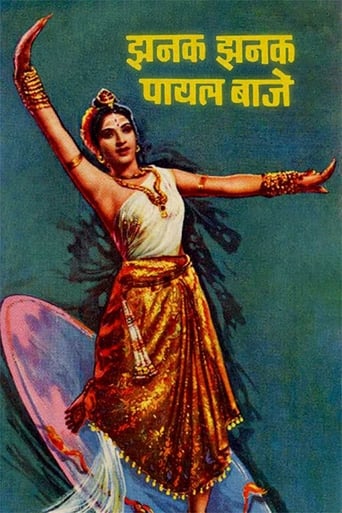
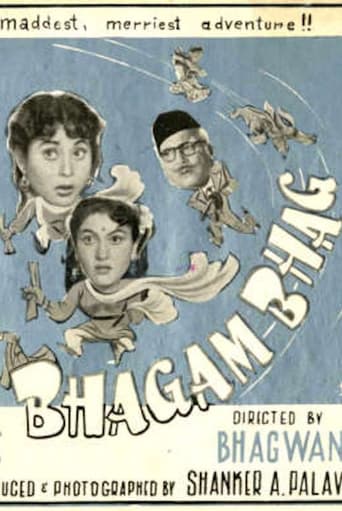
Titles linked here include Albela (1951), Bhagam Bhag (1956).
When was Bhagwan Dada born and when did he die?
Born August 1, 1913; died February 4, 2002.
What awards did Bhagwan Dada win?
While Bhagwan Dada received a Filmfare Award nomination for Best Actor for 'Albela' in 1952, his greatest recognition came from the public's adoration. He was honored posthumously with a commemorative postage stamp by India Post in 2013, recognizing his contributions to Indian cinema. His lasting legacy is seen in the continued popularity of his dance style and films.
What was Bhagwan Dada's acting/directing style?
Bhagwan Dada was known for his energetic, flamboyant acting style featuring exaggerated expressions and distinctive dance moves. His signature dance style involved rhythmic arm and leg movements, particularly the shoulder-shaking step in 'Shola Jo Bhadke'. As a director, he focused on creating musical entertainers with mass appeal, emphasizing spectacle, elaborate dance sequences, and catchy music that showcased his talents as a performer.