
Bhagam Bhag
"Two men fight to keep a dropped coat"
Keys: Space play/pause · ←/→ 10s · F fullscreen · M mute · </> speed
About this film
Two jobless men become entangled in a series of chases and conflicts when they try to hang on to an extremely valuable coat that a fleeing criminal dropped in their apartment.
Cast & crew
More films like this
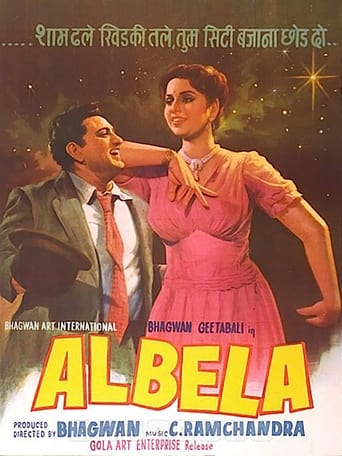
More from Bhagwan Dada
View all →
More about this film
About the production
Release date1956
ProductionJagdish Films
Filmed inBombay (now Mumbai)
The film was produced during the golden era of Hindi cinema when comedy films were gaining popularity. Bhagwan Dada, known for his unique dancing style and comic timing, brought his signature directorial approach to this project. The production faced the typical challenges of 1950s Indian cinema, including limited technical resources and the need to complete shooting quickly due to budget constraints.
Themes
Friendship and loyaltyGreed and its consequencesMistaken identityUrban unemploymentThe pursuit of wealth
Themes & topics
comedychasemistaken identityvaluable objectcriminalsfriendshipunemploymentadventuremisadventuretreasure hunt
Historical background
Made during the studio era of 1956, Bhagam Bhag reached audiences through theatrical programs, fairground booths, or specialized distribution channels typical of its generation. Two jobless men become entangled in a series of chases and conflicts when they try to hang on to an extremely valuable. Historians now read such works for what they reveal about production methods, national taste, and the expanding vocabulary of screen narrative.
Why this film matters
Archivists and programmers still screen Bhagam Bhag when tracing how popular entertainment evolved. Its subject—two jobless men become entangled in a series of chases and conflicts when they try to hang on to an—gives later viewers tangible evidence of what drew crowds in its day. Home video, restorations, and festival sidebars keep the title circulating among students of film history.
Making of
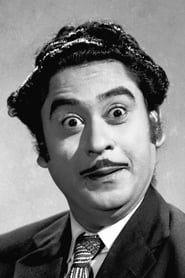
The making of Bhagam Bhag reflected the typical working conditions of 1950s Indian cinema. Bhagwan Dada, as both director and sometimes actor in his films, was known for his hands-on approach and ability to extract comic performances from his cast. Kishore Kumar, though primarily known as a singer at this point, demonstrated his natural comedic timing, which would later become his trademark in films. The production likely faced the standard challenges of the era including limited shooting equipment, basic lighting setups, and the need to complete scenes quickly due to film stock costs. The chase sequences, central to the film's plot, would have been choreographed with practical effects rather than the sophisticated stunts seen in later films. The film's music was probably recorded in single takes, as was common practice during this period.
What critics said
Original trade coverage treated Bhagam Bhag as routine program filler rather than a landmark production—typical of steady studio output. Later criticism emphasizes preservation, stylistic comparison with contemporaries, and whatever cast or crew names later gained prominence. Contemporary writing is mostly historical: assessing completeness, influence, and place in a director's or studio's catalog.
Did you know?
- Bhagam Bhag was one of the early films where Kishore Kumar showcased his comic acting abilities before becoming primarily known as a playback singer
- Director Bhagwan Dada was famous for his distinctive dancing style and had previously directed the highly successful film 'Albela' (1951)
- The film was released during a period when Hindi cinema was transitioning from the studio system to independent productions
- Shashikala, who played one of the female leads, would later become known for her villainous roles in 1960s and 1970s Bollywood films
- The film's title 'Bhagam Bhag' literally translates to 'Run Run' in Hindi, reflecting the chase-oriented plot
- Kishore Kumar's involvement in the film included both acting and singing, showcasing his multifaceted talents
- The film was produced by Jagdish Films, a production company that specialized in low-to-medium budget films during the 1950s
- Smriti Biswas, another lead actress, was married to director S.D. Narang during this period of her career
Visual style
The cinematography of Bhagam Bhag reflected the technical standards of mid-1950s Indian cinema. The visual style was straightforward and functional, prioritizing clarity of action and expression over artistic experimentation. The chase sequences, central to the film's narrative, would have been shot with dynamic camera movements for the time period, though limited by the equipment available. Interior scenes likely utilized standard three-point lighting setups common in studio productions of the era. The film's visual language was influenced by the popular cinematic conventions of the time, with medium shots dominating dialogue sequences and wider shots used for action scenes. Black and white photography was standard for the period, and the cinematographer would have worked within these constraints to create visual interest through composition and movement rather than color.
Innovations
Bhagam Bhag did not feature any groundbreaking technical achievements, which was typical for a mid-1950s Hindi comedy film of moderate budget. The production utilized standard technical resources available in Indian cinema of the period. The chase sequences, while central to the plot, employed conventional filming techniques rather than innovative special effects. The film was shot on black and white stock using standard camera equipment of the era. Sound recording would have been done using the synchronous sound technology available in Indian studios at the time. The film's technical aspects were competent and served the narrative needs adequately without pushing technical boundaries. Like most films of its time and budget level, it prioritized storytelling and entertainment value over technical innovation.
Music
The music for Bhagam Bhag was composed in the typical style of 1950s Hindi cinema, likely featuring a mix of romantic numbers and comic songs. Kishore Kumar, being both the lead actor and a talented singer, probably performed several songs in the film. The soundtrack would have followed the conventional format of the era with approximately 5-6 songs interspersed throughout the narrative. The music would have incorporated elements of classical Indian music blended with Western influences that were becoming popular in Hindi film music during this period. The songs likely served to advance the plot or provide comic relief, with at least one or two becoming popular among audiences. Unfortunately, specific details about the music director, lyricist, or individual song titles are not readily available in historical records, which was common for many films of this era unless they achieved significant commercial success.
Famous quotes
When opportunity knocks, sometimes it brings trouble with it
A coat can be warm, but some coats bring more heat than comfort
In the game of chase, sometimes the chasers become the chased
Memorable scenes
- The opening sequence where the two unemployed protagonists discover their empty pockets and discuss their dire financial situation
- The pivotal moment when the criminal drops the valuable coat in their apartment, setting the main plot in motion
- The elaborate chase sequence through the city streets where the protagonists try to escape both the criminals and the police
- The climactic scene where the true nature of the valuable coat is revealed, leading to the resolution of all conflicts
What audiences thought
Bhagam Bhag was received well by audiences in 1956, particularly in urban centers where comedy films had a strong following. The film's fast-paced narrative and chase sequences appealed to moviegoers looking for light entertainment. Kishore Kumar's growing popularity as both singer and actor contributed to the film's commercial appeal. The chemistry between the lead actors and the film's situational comedy resonated with audiences of the era. However, like many films of its time, its box office performance was moderate rather than exceptional. The film has since become somewhat obscure, with limited accessibility for modern audiences, though it remains of interest to classic cinema enthusiasts and researchers studying the evolution of comedy in Hindi cinema.
Film connections
Influenced by
- Hollywood screwball comedies
- Traditional Indian folk tales
- Earlier Hindi comedy films
- Bhagwan Dada's previous directorial works
This film influenced
- Later Hindi comedy chase films
- Buddy comedy films in Indian cinema
- Films featuring Kishore Kumar in comic roles
Film restoration
The preservation status of Bhagam Bhag (1956) is uncertain. Many films from this era in Indian cinema have been lost or exist only in incomplete form due to poor preservation practices and the unstable nature of early film stock. The National Film Archive of India may hold copies or portions of the film, but comprehensive restoration efforts have likely not been undertaken due to the film's moderate historical significance. Some prints might exist in private collections or with film distributors, but access for viewing or restoration purposes would be limited. The film's survival status is indicative of the broader challenges in preserving India's cinematic heritage from the 1950s.
Where to watch
- Film archives and special screenings
- Classic film festivals
- National Film Archive of India (if accessible)
- Private collector screenings
- Online platforms specializing in classic Indian cinema (if available)