Badri Prasad
Actor
Born: 1906 in Lahore, British India (now Pakistan) Died: 1971 Active: 1943-1956
Films
5 films
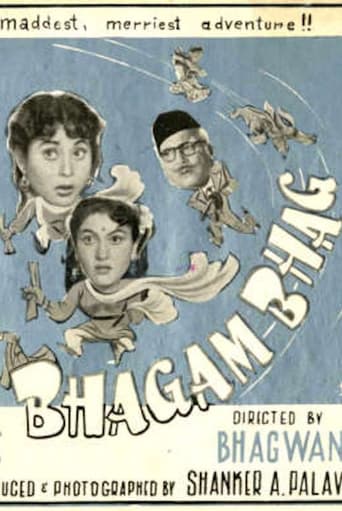
About Badri Prasad
Prolific character actor in Hindi cinema during the Golden Age of Indian film, primarily active from the early 1940s through the mid-1950s. He established himself as a versatile supporting performer, appearing in numerous significant films that helped define the era's cinematic landscape. His the crucial transition period in Indian cinema, from the early talkies to the more sophisticated productions of the 1950s. Badri Prasad worked alongside many of the era's biggest stars and directors, often playing pivotal supporting roles that added depth to the narratives. His performances in films like 'Ram Rajya' (1943), which was notable for being the only film Mahatma Gandhi reportedly ever saw, showcased his ability to contribute meaningfully to socially relevant cinema. Throughout his career, he demonstrated remarkable adaptability, appearing in various genres from mythological films to social dramas and musical comedies. By the mid-1950s, after appearing in over two dozen films, Badri Prasad gradually reduced his screen appearances, leaving behind a legacy of reliable, memorable supporting performances.
The Craft
On Screen
Badri Prasad was known for his naturalistic yet expressive acting style, which was particularly suited for supporting roles. He had a distinctive ability to convey complex emotions through subtle facial expressions and body language, a skill that served him well in both dramatic and comic situations. His performances were characterized by their authenticity and restraint, avoiding the theatrical exaggeration common in early Indian cinema. He excelled at playing authoritative figures, family elders, and antagonists with equal credibility, bringing depth to characters that might otherwise have been one-dimensional.
Milestones
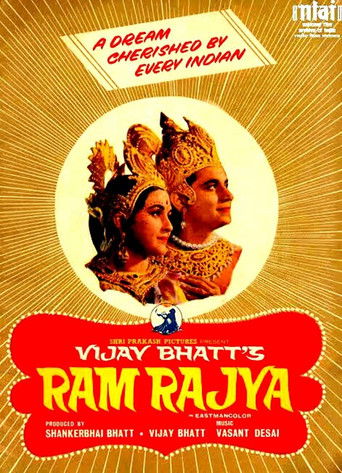
- Appeared in 'Ram Rajya' (1943), historically significant as the only film Mahatma Gandhi reportedly watched
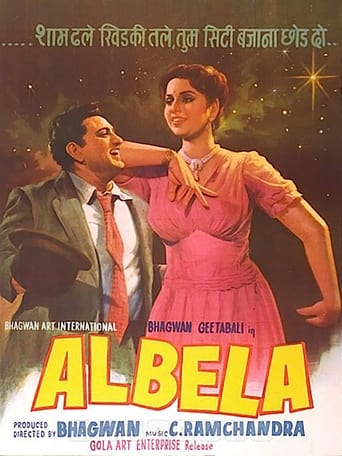
- Memorable supporting role in 'Albela' (1951) alongside Bhagwan Dada
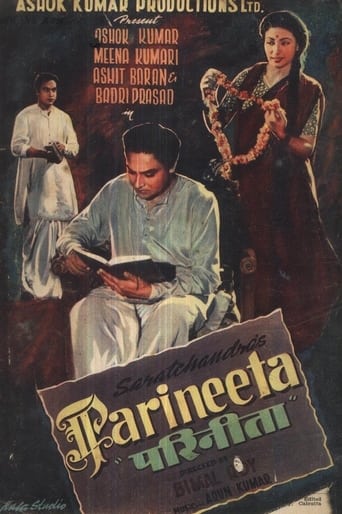
- Part of the ensemble cast in 'Parineeta' (1953), a classic adaptation of Sarat Chandra Chattopadhyay's novel
- Consistent work through the 1940s and 1950s appearing in over 25 films
- Transition from silent era theater to talkies successfully
Best Known For
Iconic Roles
Must-See Films
Accolades
Special Recognition
- Recognized as a reliable character actor of the 1940s-1950s Hindi cinema
- Part of the cast of 'Ram Rajya', historically significant film viewed by Mahatma Gandhi
Working Relationships
Worked Often With
Studios
Why They Matter
Impact on Culture
Badri Prasad contributed significantly to the development of character acting in Hindi cinema during its formative years. His performances helped establish the importance of supporting characters in Indian films, moving beyond the star-centric approach of early cinema. By appearing in socially relevant films like 'Ram Rajya', he participated in cinema's role in nation-building and social reform during the independence era. His work in adaptations like 'Parineeta' helped bring literary classics to the masses, contributing to the cultural literacy of Indian audiences.
Lasting Legacy
Badri Prasad's legacy lies in his contribution to the golden age of Hindi cinema as a reliable and versatile character actor. While he never achieved star status, his consistent performances across numerous films helped establish the foundation for strong ensemble casting in Indian cinema. His work serves as an example of the crucial role character actors play in creating memorable and meaningful films. Today, film historians and classic cinema enthusiasts recognize him as part of the talented supporting cast that made 1940s and 1950s Hindi cinema so rich and enduring.
Who They Inspired
Badri Prasad influenced subsequent generations of character actors by demonstrating the importance of professionalism and versatility in supporting roles. His naturalistic acting style, which avoided melodrama, paved the way for more realistic performances in Indian cinema. Young actors studying classic Hindi cinema can learn from his ability to make even small roles memorable through authentic performances.
Off Screen
Badri Prasad maintained a relatively private personal life away from the limelight of Bollywood. He was known among his colleagues as a dedicated professional who took his craft seriously, often studying his roles meticulously before performances. Despite being a familiar face in Hindi cinema for over a decade, he rarely gave interviews or sought publicity, preferring to let his work speak for itself. He was part of the generation of actors who transitioned from theater to films, bringing with them a disciplined approach to performance.
Education
Likely had formal education in Lahore during British India; specific details not documented
Family
- Information not publicly documented
Did You Know?
- Appeared in 'Ram Rajya' (1943), which is historically significant as the only film Mahatma Gandhi reportedly ever watched
- Was part of the transition generation from silent films to talkies in Indian cinema
- Worked consistently for over a decade despite never becoming a leading star
- Appeared in films spanning multiple genres, from mythological to social dramas
- His film 'Albela' (1951) was a major success that popularized the combination of Bhagwan Dada and Geeta Bali
- In 'Parineeta' (1953), he was part of an ensemble cast that brought Sarat Chandra Chattopadhyay's classic novel to life
- Like many character actors of his era, he often played roles older than his actual age
- His active years covered the crucial period of Indian independence and the early years of independent India
In Their Own Words
Information about specific quotes from Badri Prasad is not well-documented in historical records
As a character actor, his contributions were primarily through his performances rather than public statements
Frequently Asked Questions
Who was Badri Prasad?
Character with credits in this catalog. He was part of the generation that helped establish the importance of strong supporting characters in Indian cinema.
What films is Badri Prasad best known for?
When was Badri Prasad born and when did he die?
Born 1906; died 1971.
What awards did Badri Prasad win?
While Badri Prasad did not receive major formal awards during his career, he was recognized as a reliable and talented character actor who contributed significantly to Hindi cinema's golden age.
What was Badri Prasad's acting style?
Badri Prasad was known for his naturalistic and restrained acting style, avoiding the theatrical exaggeration common in early Indian cinema. He excelled at bringing authenticity to supporting roles across various genres.