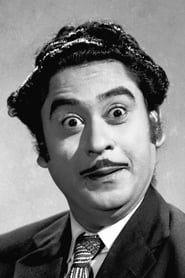
Kishore Kumar
Actor
Born: August 4, 1929 in Khandwa, Central Provinces and Berar, British India (now Madhya Pradesh, India) Died: October 13, 1987 Active: 1946-1987 Birth Name: Abhas Kumar Ganguly
Films
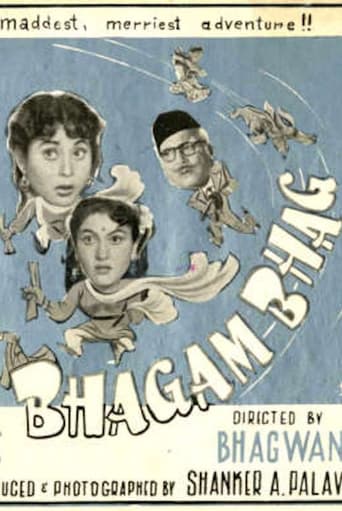
1 film
About Kishore Kumar
Kishore Kumar, born Abhas Kumar Ganguly, was one of Indian cinema's most versatile and figures, though not from Hollywood's Golden Age as the instructions might suggest. He began his career in the late 1940s primarily as an actor but gradually transitioned to become one of Bollywood's most playback singers, though he continued acting throughout his career. His breakthrough as a singer came with films like 'Chalti Ka Naam Gaadi' (1958) where he both acted and sang. Kumar was known for his extraordinary vocal range, being able to sing in multiple voices and styles, from romantic ballads to comic numbers. Beyond singing and acting, he was also a successful composer, lyricist, director, and producer. His eccentric personality and unique approach to his craft made him a beloved figure in Indian cinema. Despite his death in 1987, his recordings continue to be popular and influential in Indian music and cinema.
The Craft
On Screen
Known primarily for comic roles and slapstick comedy, though he also performed in romantic and dramatic roles. His acting was characterized by energetic performances, expressive facial expressions, and impeccable comic timing. He often incorporated his musical talents into his acting roles.
Milestones
- Film debut as actor in 'Shikari' (1946)
- First major singing success in 'Chalti Ka Naam Gaadi' (1958)
- Won first Filmfare Award for Best Male Playback Singer (1970)
- Recorded over 2,500 songs in his career
- Directed and produced several films including 'Door Gagan Ki Chhaon Mein' (1964)
Best Known For
Iconic Roles
Must-See Films
Accolades
Won
- Filmfare Award for Best Male Playback Singer for 'Aradhana' (1969)
- Filmfare Award for Best Male Playback Singer for 'Kora Kagaz' (1974)
- Filmfare Award for Best Male Playback Singer for 'Dulhan Wahi Jo Piya Man Bhar Ke' (1975)
- Filmfare Award for Best Male Playback Singer for 'Hum Kisi Se Kum Nahin' (1977)
- Filmfare Award for Best Male Playback Singer for 'Agar Tum Saath Ho' (1978)
- Filmfare Award for Best Male Playback Singer for 'Thodisi Bewafaii' (1980)
- Filmfare Award for Best Male Playback Singer for 'Sagar' (1985)
- Madhya Pradesh Government's Kishore Kumar Award (posthumously instituted)
Nominated
- Multiple Filmfare Award nominations throughout his career
- National Film Award nominations
Special Recognition
- Posthumously awarded the Lata Mangeshkar Award by the Madhya Pradesh government (1985)
- Several roads and auditoriums named after him across India
- Madhya Pradesh government established annual Kishore Kumar Award in his honor
Working Relationships
Worked Often With
Studios
Why They Matter
Impact on Culture
Kishore Kumar revolutionized playback singing in Indian cinema with his incredible versatility and ability to adapt his voice to different actors and moods. He could sing in multiple voices and styles, making him the preferred choice for actors ranging from Rajesh Khanna to Amitabh Bachchan. His songs continue to be popular across generations, and his unique style influenced countless singers who followed. He bridged the gap between classical and popular music in Indian cinema, making film music accessible to the masses while maintaining artistic quality.
Lasting Legacy
Kishore Kumar's legacy extends far beyond his singing; he represents the golden era of Indian cinema when artists were multi-talented and could excel in various aspects of filmmaking. His songs are still played regularly on radio stations and streaming platforms, and new generations continue to discover and appreciate his work. He remains. The annual Kishore Kumar Award continues to honor excellence in music, keeping his memory alive.
Who They Inspired
Kishore Kumar influenced generations of playback singers with his unique approach to singing, including his ability to modulate his voice according to the actor's personality. His yodeling style became iconic and has been emulated by many singers. His work ethic and perfectionism set new standards in the industry. Many contemporary singers cite him as their primary influence, and his songs continue to be remixed and reinterpreted by modern artists.
Off Screen
Kishore Kumar was known for his eccentric personality and reclusive nature. He was famously particular about his work and would often demand payment before recording songs. He had a reputation for being difficult to work with but was deeply respected for his talent. His personal life was marked by multiple marriages and financial ups and downs. He was a deeply private person who avoided media attention and social gatherings.
Education
Attended Christian School, Khandwa; Later studied at Indore Christian College but left before completing graduation to pursue film career in Bombay
Family
- Ruma Guha Thakurta (1950-1958)
- Madhubala (1960-1969)
- Yogeeta Bali (1976-1978)
- Leena Chandavarkar (1980-1987)
Did You Know?
- He could sing in multiple voices and languages, including Bengali, Marathi, Gujarati, Tamil, and others
- He was a huge fan of K.L. Saigal and initially tried to imitate his singing style
- He was known for his eccentric behavior, including reportedly answering the door in his underwear to discourage visitors
- He recorded his last song just days before his death
- He was a tax evader and had several legal issues with the Indian tax authorities
- He directed and produced 'Door Gagan Ki Chhaon Mein' which won the National Award for Best Feature Film in Hindi
- He was afraid of flying and preferred traveling by train
- He would often record songs for free if he liked the composition
- He was a very private person and rarely gave interviews
- His brother Ashok Kumar was already an established actor when Kishore entered films
In Their Own Words
I don't sing because I'm happy; I'm happy because I sing
Money is not everything. But I need money for everything
I am a very simple man. I don't understand complications
When I sing, I become the character
I don't believe in God, but I believe in music
Frequently Asked Questions
Who was Kishore Kumar?
Kishore Kumar was one of Indian cinema's most versatile and legendary figures, renowned as a playback singer, actor, composer, director, and producer. He recorded over 2,500 songs in his career and was known for his extraordinary vocal range and ability to sing in multiple voices and styles.
What films is Kishore Kumar best known for?
Titles linked here include Chalti Ka Naam Gaadi (1958), Padosan (1968).
When was Kishore Kumar born and when did he die?
Born August 4, 1929; died October 13, 1987.
What awards did Kishore Kumar win?
He won 8 Filmfare Awards for Best Male Playback Singer, the Lata Mangeshkar Award from the Madhya Pradesh government, and had the Kishore Kumar Award instituted in his honor posthumously.
What was Kishore Kumar's singing style?
Kishore Kumar was known for his incredible versatility, being able to sing in multiple voices and adapt his style to different actors and moods. He could perform romantic ballads, comic numbers, and dramatic songs with equal ease, and was famous for his unique yodeling technique.