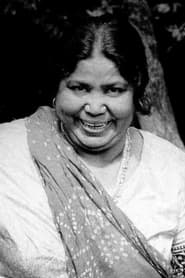
Tun Tun
Actor
Born: July 11, 1923 in Rampur, Uttar Pradesh, India Died: November 24, 2003 Active: 1943-1997 Birth Name: Uma Devi Khatri
Films
3 films
About Tun Tun
Uma Devi Khatri, better known by her stage name Tun Tun, was an Indian comic actress who revolutionized female comedy roles in Hindi cinema. Discovered by music director Naushad Ali, she began her career as a playback singer in the 1940s, lending her voice to films like 'Kanoon' (1943) and 'Rattan' (1944). It was actor Dilip Kumar who suggested she transition to acting and gave her the memorable screen name 'Tun Tun,' inspired by a popular song. She made her acting debut in 'Babul' (1950) and quickly became the most sought-after female comedian in Indian cinema, appearing in over 200 films throughout her career. Her plump appearance and impeccable comic timing made her a household name, and she worked with every major star of her era, from Raj Kapoor to Dev Anand. Unlike many comedians of her time, Tun Tun brought dignity to her roles, often playing endearing characters who won audiences' hearts despite their comic predicaments. Her five decades, from the 1940s through the 1990s, making her one of Indian cinema's most enduring character actresses.
The Craft
On Screen
Tun Tun developed a unique comedic style characterized by her expressive facial expressions, perfect timing, and ability to find humor in everyday situations. She specialized in playing the well-meaning but slightly naive character who often found herself in comic predicaments. Her physical comedy was subtle yet effective, and she never resorted to slapstick or undignified humor. Unlike many comedians of her era, she brought warmth and humanity to her roles, making audiences laugh with her characters rather than at them.
Milestones
- Discovered by music director Naushad Ali as a singer
- Given stage name 'Tun Tun' by Dilip Kumar
- First female comedian to achieve stardom in Hindi cinema
- Appeared in over 200 films as comic actress
- Transitioned successfully from singer to actress
- Worked with all major stars of Golden Age of Hindi cinema
- Received the Padma Shri award in 2003
Best Known For
Iconic Roles
Must-See Films
Accolades
Won
- Padma Shri (2003)
Nominated
- Filmfare Award for Best Comedian (multiple nominations)
Special Recognition
- Recognized as the first female superstar comedian in Indian cinema
- Honored by Indian cinema organizations for contributions
- Posthumously celebrated in film retrospectives and documentaries
Working Relationships
Worked Often With
Studios
Why They Matter
Impact on Culture
Tun Tun fundamentally changed the landscape of Indian cinema by proving that women could successfully carry comic roles, a domain previously dominated by male actors. Her success opened doors for future female comedians and challenged traditional gender roles in Bollywood. She became a cultural icon representing the joyous, larger-than-life spirit of post-independence Indian cinema. Her characters often reflected the aspirations and struggles of middle-class India, making her relatable to millions of viewers. Tun Tun's popularity transcended regional boundaries, and she became.
Lasting Legacy
Tun Tun's legacy as India's first female comic superstar remains unparalleled in Bollywood history. She established a template for female comedy that balanced humor with dignity, influencing generations of actresses who followed. Her journey from playback singer to comic actress demonstrated remarkable versatility and adaptability in an era when typecasting was common. Film historians credit her with creating a space for women in comedy that was neither demeaning nor stereotypical. Even decades after her death, her performances continue to be celebrated in film festivals and retrospectives, and she remains a beloved figure in the history of Indian cinema.
Who They Inspired
Tun Tun directly influenced the career trajectories of numerous female comedians who followed, including actresses like Guddi Maruti, Shobha Khote, and later, Johnny Walker's female counterparts in comedy. Her success proved to producers and directors that audiences would accept and embrace women in comic roles, leading to more diverse opportunities for actresses in Hindi cinema. Contemporary comedians often cite her as an inspiration for maintaining dignity while performing comedy. Her influence extends beyond acting to include her early work as a playback singer, where she helped establish the importance of female voices in film music.
Off Screen
Tun Tun led a relatively private personal life despite her public fame. She married Harish Kumar, a businessman, in the 1950s, though the marriage ended in divorce. She never remarried and had no children. Known for her simplicity and devotion to her craft, she lived a modest life in Mumbai even at the height of her fame. She was deeply religious and maintained close friendships with several industry colleagues, including Dilip Kumar and Raj Kapoor, who had helped launch her career. In her later years, she faced financial difficulties but received support from film industry associations and charitable organizations.
Education
Limited formal education; received training in classical music from Ustad Hussain Khan
Family
- Harish Kumar (1950s-1960s)
Did You Know?
- She was originally named Uma Devi Khatri before Dilip Kumar gave her the stage name 'Tun Tun'
- Began her career as a playback singer with music director Naushad Ali
- Her first song was for the film 'Kanoon' in 1943
- She sang for famous actresses like Nargis and Suraiya before becoming an actress
- Tun Tun appeared in over 200 films during her career spanning five decades
- She was one of the few actresses to successfully transition from singing to acting
- Despite being typecast as a comedian, she was classically trained in music
- She received the Padma Shri, India's fourth-highest civilian award, in 2003
- Her plump appearance became her trademark and was often referenced in film dialogues
- She worked with all three major Kapoor brothers - Raj, Shammi, and Shashi
In Their Own Words
Comedy is serious business. You have to make people laugh without making a fool of yourself.
Dilip Kumar gave me the name Tun Tun and a new life. I will always be grateful to him.
In those days, being a female comedian was not easy, but I proved it could be done with dignity.
Naushad Sahab discovered my voice, but Dilip Kumar discovered my talent for acting.
I never played roles that demeaned women. My comedy always came from the heart.
Frequently Asked Questions
Who was Tun Tun?
Tun Tun, born Uma Devi Khatri, was India's first female comic superstar in Hindi cinema. She began as a playback singer in the 1940s before transitioning to acting, where she became famous for her comedic roles in over 200 films from the 1950s through the 1990s.
What films is Tun Tun best known for?
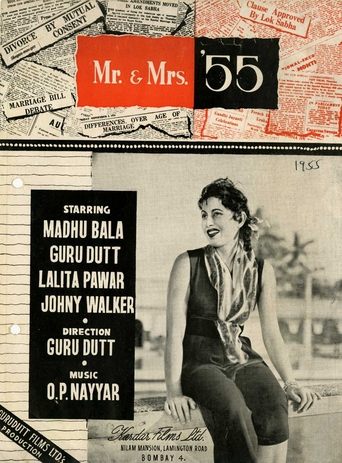
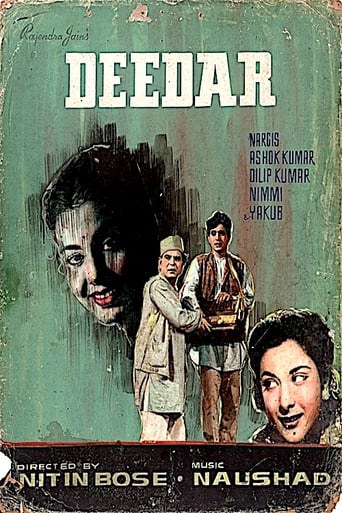
Titles linked here include Deedar (1951), Mr. & Mrs. '55 (1955).
When was Tun Tun born and when did she die?
Born July 11, 1923; died November 24, 2003.
What awards did Tun Tun win?
Tun Tun received the Padma Shri, India's fourth-highest civilian award, in 2003 for her contributions to Indian cinema. She also received several Filmfare nominations for Best Comedian throughout her career.
What was Tun Tun's acting style?
Tun Tun developed a unique comedic style characterized by expressive facial expressions, impeccable timing, and warm, endearing characters. She brought dignity to comedy, avoiding slapstick or demeaning humor, and specialized in playing well-meaning characters who found themselves in comic situations.
How did Tun Tun get her stage name?
Tun Tun received her famous stage name from legendary actor Dilip Kumar. He suggested the name based on a popular song and helped her transition from a playback singer to a comic actress, giving her a new identity in the film industry.
What was Tun Tun's impact on Indian cinema?
Tun Tun revolutionized Indian cinema by becoming the first female comedian to achieve superstardom, opening doors for women in comedy. She proved that female comedians could be both funny and dignified, influencing generations of actresses and changing how comedy roles were written for women in Bollywood.