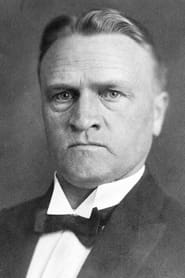
Teuvo Puro
Director
- Active
- 1922-1922
Films directed 1
About Teuvo Puro
Teuvo Puro was a pioneering Finnish filmmaker, screenwriter, and director from the silent era, best remembered as one of the earliest creative figures to shape Finland's feature-film production. He is particularly associated with the 1922 silent feature Anna-Liisa, one of the landmark works of early Finnish cinema, and with the development of a distinctly national film culture in the years immediately after Finnish independence. Puro worked during a formative period when the Finnish film industry was still small, technically limited, and heavily dependent on theatrical traditions, literary adaptations, and resourceful production methods. His work helped establish the possibility of feature-length Finnish narrative film at a time when the medium was still new in the country. Beyond his surviving filmography, he is remembered as part of the generation of early filmmakers who translated Finnish literature, stage sensibilities, and rural social themes into cinema. Because much of his career predates the standardization of film record-keeping and because only a small number of his films are widely cited today, detailed biographical information is comparatively sparse. Nonetheless, his place in film history is secure as an early architect of Finnish silent cinema and as the director of a major adaptation that remains important in national film history.
More about Teuvo Puro
Behind the camera
Teuvo Puro’s directing is associated with the restrained, stage-informed style common to early Scandinavian silent cinema, where performance, composition, and literary fidelity carried much of the dramatic weight. His best-known work, Anna-Liisa, suggests an emphasis on serious rural drama, emotional clarity, and faithful adaptation of prestigious Finnish source material. As with many directors of the silent era, his work would have relied on expressive framing, careful blocking, and intertitles rather than elaborate camera movement or rapid editing. The surviving reputation of his films points to an earnest, culturally grounded approach aimed at giving Finnish stories a dignified cinematic form.
In film history
Teuvo Puro’s cultural importance lies in his role as one of the early filmmakers who helped define what Finnish cinema could be during its silent-era beginnings. By directing Anna-Liisa, he participated in the adaptation of a major Finnish literary and dramatic work into film, reinforcing cinema’s legitimacy as a national art form rather than merely a novelty or imported entertainment. His career belongs to the period when filmmakers were helping audiences accept motion pictures as a medium capable of handling serious local themes, moral conflict, and recognizable Finnish settings. In that sense, his contribution was not only artistic but institution-building: he helped create a template for culturally specific Finnish filmmaking. His legacy also rests on his place in film history as part of the small group of pioneers whose names are preserved even when their surviving filmographies are brief. Early national cinemas often depended on a few determined artists to prove the viability of feature production, and Puro stands among those foundational figures in Finland. Anna-Liisa continues to be cited because it connects silent cinema with Finnish literature and stage tradition, showing how early filmmakers adapted existing cultural prestige to the new medium. For scholars of Nordic film history, Puro represents the transition from experimental or short-form production to a more ambitious national feature-film culture.
Later reputation
Teuvo Puro is remembered as an early architect of Finnish silent feature filmmaking and as a director connected to one of the important founding works of the national cinema. His legacy is preserved largely through Anna-Liisa, which remains a reference point in discussions of early Finnish screen adaptation and silent-era storytelling. Even though his name is not as internationally recognized as some later Nordic directors, his significance within Finnish film history is considerable because he worked at the level of foundations, not later refinement. He is part of the generation that proved Finnish stories could be successfully translated into cinema with local identity intact.
Influence
Puro influenced the shape of early Finnish screen culture by demonstrating that domestic literary and theatrical material could anchor serious feature films. Later Finnish filmmakers inherited the idea that national identity, rural drama, and culturally respected source texts could be central to cinema rather than peripheral. His work helped validate the adaptation model that would remain important across Nordic film industries. While direct lines of mentorship are not clearly documented, his place among pioneers means his influence is felt historically through the development of Finnish feature production and adaptation practices.
Off screen
Publicly available biographical detail about Teuvo Puro’s personal life is limited in standard film reference sources. He appears primarily in historical film records as a creative contributor to early Finnish cinema rather than as a widely documented celebrity figure. Information about his marriages, children, education, and private life is not readily established from the available classic-cinema record. As a result, his personal history remains comparatively obscure, and most surviving attention centers on his professional importance to Finnish film history.
Credits
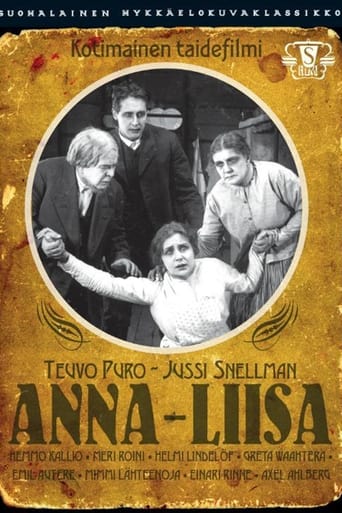
- Directed Anna-Liisa (1922), a landmark of early Finnish silent cinema and one of the best-known early feature films from Finland
- Helped establish feature-length narrative filmmaking in Finland during the silent era
- Contributed to the adaptation of Finnish literary and theatrical material for the screen
- Associated with the foundational phase of Finland's national film culture in the 1920s
Films
- Anna-Liisa (1922)
Notes
- Teuvo Puro is best remembered for directing Anna-Liisa (1922), which is frequently cited as a key film in early Finnish cinema history.
- He worked during a period when Finland’s film industry was still in its formative stage, making his achievements historically significant even if his surviving filmography is brief.
- His career is associated with the silent era, when Finnish filmmakers often adapted well-known national literature and drama for the screen.
- Because he was active so early, many personal details about his life are not as thoroughly documented as those of later film figures.
- His legacy is especially important in Finnish rather than international film history.
- He is one of the names preserved from Finland’s pioneering generation of filmmakers, even though relatively few titles are widely discussed today.
Questions
Who was Teuvo Puro?
Teuvo Puro was a Finnish silent-era filmmaker and director who played an important role in the early development of Finland’s feature-film industry. He is best known for directing Anna-Liisa (1922), a landmark work in Finnish cinema history.
What films is Teuvo Puro best known for?
He is primarily known for Anna-Liisa (1922), his best-documented and most historically significant film. That work is remembered as one of the early major feature films of Finnish cinema and a key adaptation of Finnish literary culture.
When was Teuvo Puro born and when did he die?
The standard classic-cinema record does not reliably provide Teuvo Puro’s birth and death dates. Because available sources on him are limited, those details are not firmly established here.
What awards did Teuvo Puro win?
No widely documented awards or formal honors are associated with Teuvo Puro in the available historical record. His importance comes from his pioneering role in Finnish film history rather than from a recorded awards profile.
What was Teuvo Puro’s directing style?
His directing is associated with the restrained, literary, and stage-influenced style common to early silent cinema. The emphasis appears to have been on serious drama, clear emotional expression, and faithful adaptation of important Finnish source material.
What is Teuvo Puro’s legacy in film history?
His legacy lies in helping establish feature-length Finnish narrative cinema during its earliest period. He is remembered as part of the pioneering generation that gave Finnish stories a cinematic form and helped define the cultural identity of the nation’s film industry.