1922 · Approximately 60 minutes

Also available on: Archive.org
Anna-Liisa

Anna-Liisa

1922 Approximately 60 minutes Finland
Guilt and conscienceRepentance and redemptionFemale shame and social judgmentMoral hypocrisyReligion and forgiveness

Plot

Anna-Liisa is a Finnish silent drama centered on a young woman who is about to marry Johannes while hiding a devastating secret from her past. Three years earlier, she bore a child by Mikko, the old hired hand from Kortesuo, and in shame and fear she killed the baby. As the wedding approaches, Mikko unexpectedly returns, forcing Anna-Liisa to confront the truth she has buried and to face the spiritual, moral, and social consequences of her actions. The story unfolds as a tense psychological and moral drama in which guilt, repentance, forgiveness, and the possibility of redemption become the driving forces of the narrative. The film culminates in Anna-Liisa’s confrontation with her conscience and the judgment of those around her, transforming the romance plot into a tragic examination of sin and atonement.

About the Production

Release Date 1922
Production Suomen Biografi
Filmed In Finland

Anna-Liisa (1922) was directed by Teuvo Puro and is one of the early Finnish feature films adapted from a well-known work of literature, drawing on Minna Canth’s celebrated play. As a silent-era production, it relied heavily on expressive acting, intertitles, and pictorial composition to convey the emotional and moral intensity of the story. Surviving historical records on the production are limited, and precise budgetary or box-office figures are not generally documented in standard film references. The film was made during the formative years of the Finnish film industry, when feature production was still relatively rare and often closely tied to national literature and theater traditions.

Historical Background

Anna-Liisa was made in 1922, just a few years after Finland had gained independence in 1917 and emerged from the upheavals of civil conflict and nation-building. In that environment, Finnish filmmakers and cultural institutions were particularly interested in works that expressed national identity, moral seriousness, and literary legitimacy. Adapting Minna Canth was especially meaningful because her writing occupied a central place in Finnish realism and social criticism, and her plays had long addressed issues of gender, class, sexuality, and moral hypocrisy. The film therefore belongs not only to the history of silent cinema but also to the broader cultural project of defining Finnish art and society in the early independent state.

Why This Film Matters

The film is significant as an early screen adaptation of one of the most important Finnish dramatic works, helping translate Minna Canth’s social realism from stage to cinema. It demonstrates how early Finnish filmmakers used literature to elevate film into a respected national art form while addressing difficult social and moral issues. The story’s focus on female guilt, sexual double standards, and the possibility of repentance gives it enduring relevance in discussions of gender and morality in Scandinavian cultural history. For historians of Finnish cinema, Anna-Liisa is also valuable as evidence of the country’s early feature-film ambitions and its reliance on literary classics to build a national repertoire.

Making Of

Anna-Liisa was produced at a time when Finnish cinema was still establishing its identity, and filmmakers frequently turned to respected national authors for material that could lend cultural prestige to the medium. Adapting Minna Canth’s famous play meant confronting a story already well known to theater audiences, so the film had to justify itself through visual storytelling rather than novelty of plot. Silent-era performance style would have been crucial, especially in the long scenes of emotional conflict, confession, and moral pressure that dominate the story. Surviving information about casting decisions, shooting schedule, and production design is limited, but the film is significant as a serious literary adaptation from the early 1920s and as part of Teuvo Puro’s contribution to the rise of Finnish feature filmmaking.

Visual Style

As a silent black-and-white drama, the film would have depended on carefully arranged compositions, theatrical framing, and expressive close observation of faces and gestures to communicate inner conflict. Early Finnish silent films often emphasized clear staging and a restrained visual style that suited literary material and stage-derived performance traditions. The film’s visual power likely comes from its contrast between domestic spaces, social settings, and moments of psychological revelation, using imagery to externalize Anna-Liisa’s internal torment. Because the movie is rooted in a play, the cinematography would have had to balance stage-like scene construction with the more intimate possibilities of the camera.

Innovations

The film’s primary achievement is historical and artistic rather than technological, as it represents an early Finnish feature adaptation of a major literary work. Its handling of intense moral drama within the constraints of silent storytelling shows the maturation of Finnish filmmaking beyond short subjects and basic recording. The production likely relied on disciplined editing, scene continuity, and strong performance direction to translate a densely verbal stage play into visual cinema. There is no widely documented record of groundbreaking special effects or camera innovations, but its significance lies in its contribution to the evolution of Finnish feature narrative cinema.

Music

No original synchronized soundtrack exists, as this is a silent film. Like most silent-era screenings, it would originally have been accompanied by live music, often improvised or compiled by theater musicians according to local practice. Specific premiere accompaniment details are not widely documented in standard references. Modern presentations of silent films of this period may use newly arranged piano or chamber accompaniment depending on archival or festival presentation.

Famous Quotes

null

Memorable Scenes

  • Anna-Liisa’s mounting anxiety as her wedding day approaches and her hidden crime threatens to surface.
  • Mikko’s return, which abruptly destabilizes the marriage plans and brings the past back into the present.
  • The confrontation in which Anna-Liisa is forced to confess the truth she has concealed for years.
  • The emotionally charged moments of moral reckoning that turn the story from domestic drama into a spiritual crisis.
  • The ending’s focus on judgment, remorse, and the possibility of forgiveness rather than physical action.

Did You Know?

  • The film is adapted from Minna Canth’s influential stage play Anna-Liisa, one of the most important works in Finnish literature and theater.
  • Teuvo Puro was among the pioneering directors of early Finnish cinema, and this film belongs to the foundational period of national feature filmmaking.
  • Because it is a silent film from the 1920s, surviving versions may differ depending on archival sources, preservation elements, and subtitle reconstruction.
  • The story’s central conflict is less about external action than about psychological and moral reckoning, making it unusually intimate for an early silent drama.
  • The film reflects the strong influence of Finnish realism and social critique associated with Minna Canth’s writing.
  • Its subject matter, especially out-of-wedlock pregnancy, infanticide, guilt, and redemption, was daring for its time and remained emotionally potent in later Finnish cultural memory.
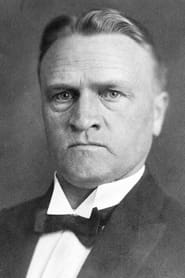
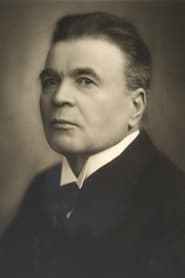
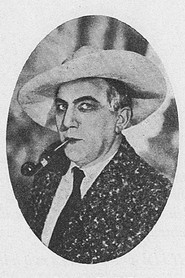
  • The cast includes notable Finnish stage and screen performers such as Helmi Lindelöf and Hemmo Kallio.
  • As with many films of its era, detailed behind-the-scenes documentation is sparse, making it more reliant on archival and literary history than on production publicity.

What Critics Said

Contemporary reviews are not widely preserved in easily accessible modern databases, so a complete critical consensus from 1922 is difficult to reconstruct. In retrospect, the film is generally regarded as an important early Finnish literary adaptation and a representative example of the country’s silent-era dramatic filmmaking. Modern appreciation tends to focus on its cultural importance, its connection to Minna Canth, and its role in the development of Finnish national cinema rather than on technical polish by later standards. Its reputation is strongest among film historians, archivists, and scholars of Finnish literature and theater.

What Audiences Thought

Specific audience reaction data from the original release period is scarce, which is typical for early silent films from smaller national industries. Given the prestige of the source material, the film likely appealed most strongly to audiences already familiar with Minna Canth’s play and to viewers interested in serious domestic drama rather than spectacle. Over time, it has remained of interest mainly to archival audiences, researchers, and viewers of restored or curated silent-cinema programs. Its emotional and moral intensity still gives it the capacity to engage modern viewers who appreciate classic literary adaptations.

Film Connections

Influenced By

  • Anna-Liisa by Minna Canth
  • Finnish realist theater
  • Nordic literary drama

This Film Influenced

  • Later Finnish adaptations of literary classics
  • Early Nordic social-realist dramas

Film Restoration

The film is not generally classified as lost in modern film-historical references, but like many early silent films it survives only in archival or limited-access form and may exist in incomplete or partially preserved materials. Researchers and collectors typically encounter it through film archives, historical screenings, or preservation catalogs rather than commercial circulation. Its exact preservation condition can vary by source, but it is regarded as an archival early Finnish film of interest to historians and restoration specialists.

Themes & Topics