Einar Rinne
Actor
Born: January 31, 1890 in Asikkala, Finland Died: March 31, 1933 Active: 1916-1933 Birth Name: Vilho Einar Rinne
Films
3 films

About Einar Rinne
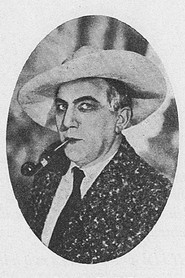
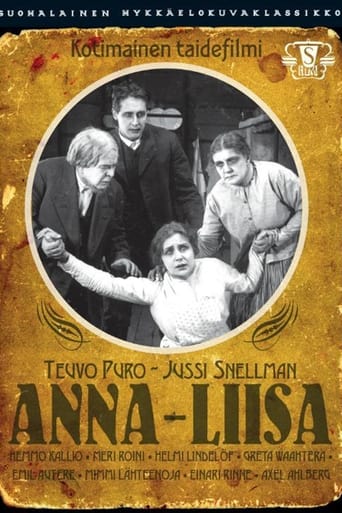
Vilho Einar Rinne — Finnish stage and screen actor who in the development of Finnish silent cinema during the 1920s. Born into a large family in Asikkala, he was the eldest of the famous Rinne acting brothers, including Jalmari and Joel Rinne, who would later become titans of the Finnish industry. Einar initially pursued a career in commerce, attending business school in Tampere and working as a businessman for five years before his passion for the arts led him to the Tampere Theatre in 1916. His theatrical career was, with significant tenures at the Vyborg Stage, the Finnish National Theatre, and the People's Stage in Helsinki, where he became known for his intense character portrayals. In cinema, he debuted in the 1922 classic 'Anna-Liisa' and quickly became sought-after leading men of the silent era, often collaborating with director Erkki Karu. Tragically, his career was cut short at the age of 43 when he passed away from complications of tonsillitis (angina poisoning), a fate that mirrored other stars of the era like Heidi Blåfield.
The Craft
On Screen
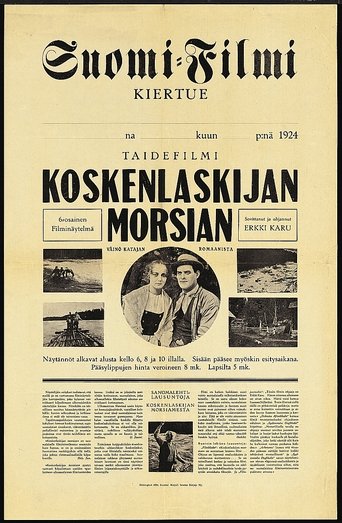
Einar Rinne was celebrated as a versatile character actor (luonnenäyttelijä) capable of transitioning between heroic leads and complex, mentally troubled figures. His performance in 'Koskenlaskijan morsian' was particularly noted for its psychological depth, portraying a character suffering from mental instability with a realism that was advanced for the silent era. On stage, he was known for a commanding presence and a voice that carried the weight of both classical tragedies and modern dramas.
Milestones
- Professional stage debut at Tampereen Teatteri in 1916
- Leading role in 'Koskenlaskijan morsian' (1923), the most popular Finnish film of the 1920s
- Portrayal of Baron Gustaf Drakenhjelm in 'Rautakylän vanha parooni' (1923), considered Finland's first horror film
- Member of the prestigious Finnish National Theatre (1921–1923)
- Starred in the 1925 adaptation of the national classic 'Pohjalaisia'
Best Known For
Iconic Roles
Must-See Films
Accolades
Special Recognition
- Buried in the collective grave of the Finnish National Theatre actors at Hietaniemi Cemetery
Working Relationships
Worked Often With
Studios
Why They Matter
Impact on Culture
Cornerstone of the 'Golden Age' of Finnish silent cinema. His participation in Suomi-Filmi productions helped establish a national cinematic identity that blended rural romanticism with psychological realism. By starring in 'Koskenlaskijan morsian,' which was exported to over ten countries including Japan, he became one of the first Finnish actors to have his work seen by a global audience. His family name, Rinne, became synonymous with Finnish acting excellence for the next half-century.
Lasting Legacy
Though his life was cut short before the advent of sound film in Finland, Einar Rinne's legacy survives through the preserved prints of his 1920s classics. He is remembered as the trailblazer for his brothers Jalmari and Joel, who would dominate Finnish screens for decades. He remains a key figure in the history of the Finnish National Theatre and the development of the 'Rinne' acting tradition, which is characterized by technical precision and emotional intensity.
Who They Inspired
He influenced the early development of Finnish screen acting by moving away from overly theatrical gestures toward a more nuanced, internal style of performance suitable for the camera.
Off Screen
Einar Rinne was part of a legendary Finnish acting dynasty. He was the son of merchant Johan Oskar Gröndahl and Maria Sofia Karlsson. He was married to the prominent actress and director Eine Laine from 1920 to 1923. Their daughter, Eila Rinne, followed in her parents' footsteps to become a celebrated actress herself. After his divorce from Laine, he remained a central figure in the Helsinki and Tampere artistic circles until his untimely death.
Education
Attended commercial school and business college in Tampere before transitioning to the performing arts.
Family
- Eine Laine (1920–1923)
Did You Know?
- He was the eldest of three famous acting brothers (Einar, Jalmari, and Joel).
- Before becoming an actor, he worked in the business sector for five years.
- He died of 'angiinamyrkytys' (septic complications from tonsillitis), which was a surprisingly common cause of death for Finnish actors at the time.
- His film 'Rautakylän vanha parooni' is historically recognized as the first Finnish horror movie.
- He is buried in the Hietaniemi Cemetery in Helsinki in a special plot reserved for National Theatre actors.
- His daughter Eila Rinne became a well-known actress, continuing the family's artistic streak into the third generation.
Frequently Asked Questions
Who was Einar Rinne?
Prominent Finnish stage and silent film with credits in this catalog. He was the eldest of the famous Rinne brothers, a family that became a dynasty in Finnish performing arts.
What films is Einar Rinne best known for?
Titles linked here include Koskenlaskijan morsian (1923), Rautakylän vanha parooni (1923).
When was Einar Rinne born and when did he die?
Born January 31, 1890; died March 31, 1933.
What was Einar Rinne's acting style?
He was a versatile character actor known for his ability to portray intense psychological states and complex internal lives, a skill that made him a favorite for dramatic and early horror roles.
Was Einar Rinne related to other famous actors?
Yes, he was the brother of legendary actors Jalmari and Joel Rinne, the ex-husband of actress/director Eine Laine, and the father of actress Eila Rinne.