Hanns Walter Kornblum
Director
- Active
- 1925-1925
Films directed 1
About Hanns Walter Kornblum
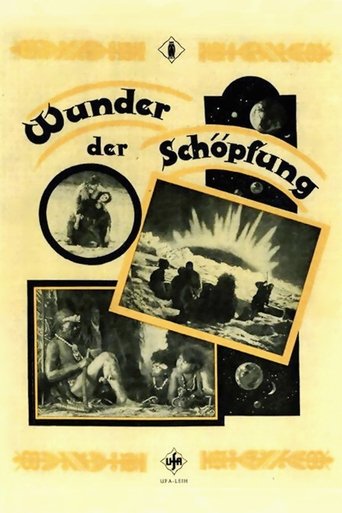
Hanns Walter Kornblum is a little-documented figure from the silent-era film world, best known for directing the 1925 German fantasy/science-fiction feature Our Heavenly Bodies (Himmelskörper), a rare and visually ambitious production from the mid-1920s. Surviving reference sources indicate that his credited film career was extremely brief, with 1925 as the only firmly documented active year in available filmography. Because of the scarcity of surviving biographical records, many standard details of his life, training, and later career remain unknown, and he should be distinguished carefully from other similarly named individuals. His place in film history comes largely through the significance of Our Heavenly Bodies, a period production associated with the era’s fascination with science, cosmology, and cinematic spectacle. As with many minor silent-era directors, his legacy is preserved more through film credits and archival references than through extensive contemporary publicity or later retrospectives. The lack of detailed personal documentation means that much of his biography remains unresolved in public databases, but his credited work places him within the richly experimental and internationally connected silent film culture of the Weimar period.
More about Hanns Walter Kornblum
Behind the camera
Hanns Walter Kornblum’s directing style cannot be reconstructed in detail from the surviving record, but his credited film Our Heavenly Bodies suggests an interest in pictorial spectacle, imaginative subject matter, and the visual storytelling typical of silent cinema. Because the film is associated with cosmic and scientific themes, his approach likely relied on atmospheric staging, intertitles, and composition rather than dialogue-driven drama. The available evidence points to a director working within the expressive and visually inventive traditions of mid-1920s German cinema. Beyond that, no securely verifiable critical descriptions of his technique are currently available in standard reference sources.
In film history
Hanns Walter Kornblum’s cultural impact is tied less to celebrity than to preservation and historical curiosity. His name appears in the record of silent German cinema at a time when filmmakers were exploring science, fantasy, and the possibilities of large-scale visual imagination, making him part of a broader cultural movement rather than a widely recognized individual auteur. For modern researchers, he is important as an example of how many contributors to early cinema remain obscure even when their films form part of the era’s creative output. His surviving credit helps demonstrate the diversity of Weimar-era filmmaking beyond the best-known masters and major studio names. In that sense, his contribution is valuable to film historians seeking a more complete picture of silent-era production and authorship.
Later reputation
Kornblum’s lasting legacy lies primarily in his association with a rare early film credit rather than with a large body of work. Because only one active year is clearly documented, he stands as a representative of the many silent-era filmmakers whose careers are difficult to reconstruct due to incomplete archival survival. His importance to film history is therefore archival and contextual: he is part of the record of German cinema’s adventurous 1920s output, especially in works that bridged science, fantasy, and spectacle. For modern databases and historians, preserving his name helps maintain accuracy about the collaborative and often fragmentary nature of early film authorship. Even when biographical facts are scarce, his credit contributes to the broader understanding of the silent era as an expansive field of creators, not just the few who became household names.
Influence
There is no verifiable evidence that Hanns Walter Kornblum directly mentored or broadly influenced later major directors in a documented way. His influence is best understood indirectly, through his participation in a silent-era German production tradition that helped shape the language of visual fantasy and speculative cinema. Films of this period informed later science-fiction and fantasy filmmaking by emphasizing atmosphere, design, and imaginative imagery. Kornblum’s role in that historical moment makes him part of the lineage of early cinematic experimentation, even if his personal influence cannot be specifically traced.
Off screen
No reliable, widely cited biographical information is currently available about Hanns Walter Kornblum’s personal life. Standard reference sources do not securely document his marriage, family background, education, or later life. As a result, his private life remains largely absent from the historical record accessible to general film databases. This lack of documentation is not unusual for minor or little-publicized silent-era filmmakers whose careers were brief or whose papers have not survived.
Credits
- Directed the 1925 silent-era film Our Heavenly Bodies (Himmelskörper), the only widely documented credit associated with his name
- Worked in the German film industry during the fertile mid-1920s Weimar period, when fantasy, expressionist imagery, and science-themed films were flourishing
- Established a place in film history through a specialized and unusual subject matter rather than through a broad surviving filmography
- Represents one of the many lesser-known directors whose work survives in archival film records despite limited personal documentation
- Associated with a production that reflects the silent era's interest in cosmology, wonder, and visual experimentation
Films
- Our Heavenly Bodies (1925)
Notes
- Hanns Walter Kornblum is primarily remembered today for a single surviving film credit rather than a long directorial career.
- His only clearly documented active year in available filmography is 1925.
- Our Heavenly Bodies places him in the silent-era German film landscape of the Weimar period.
- He is one of many early cinema figures whose personal life details have not survived in commonly used reference sources.
- Because his credit is so limited, he is easy to confuse with similarly named individuals, making careful identification important.
- His film’s subject matter suggests an unusual interest in cosmic or scientific themes, which were popular in certain strands of 1920s German cinema.
- He is a useful example of how many early film careers are preserved only through archival credits and not through extensive biographical publicity.
Questions
Who was Hanns Walter Kornblum?
Hanns Walter Kornblum was a little-known silent-era film director associated with German cinema. He is primarily remembered for directing Our Heavenly Bodies (1925), and very little additional biographical information has survived in standard reference sources.
What films is Hanns Walter Kornblum best known for?
He is best known for Our Heavenly Bodies (1925), which appears to be his principal or only widely documented directorial credit. Because his surviving filmography is extremely limited, this title is the key work connected to his name.
When was Hanns Walter Kornblum born and when did he die?
His birth date and death date are not currently verified in commonly accessible film reference sources. Likewise, his birth place and later life details remain undocumented in the material available for this profile.
What awards did Hanns Walter Kornblum win?
No awards or formal honors are currently documented for Hanns Walter Kornblum in reliable reference sources. This is not unusual for a lesser-documented silent-era filmmaker whose surviving historical footprint is based mainly on film credits.
What was Hanns Walter Kornblum's directing style?
His style cannot be reconstructed in detail from surviving biographical sources, but his credited film suggests work in the visually expressive tradition of silent German cinema. The available evidence points to an emphasis on spectacle, atmosphere, and visual storytelling rather than dialogue-based direction.
Why is Hanns Walter Kornblum important to film history?
He is important because he represents the many early cinema creators whose work survives in the historical record even when their personal biographies do not. His credit on a 1925 German film helps document the breadth of silent-era filmmaking and the creative energy of the Weimar period.