Margarethe Schlegel
Actor
- Active
- 1925-1925
Films 1
About Margarethe Schlegel
Margarethe Schlegel was a German silent-era screen actress whose surviving film record places her squarely in the mid-1920s, a period when German cinema was internationally influential and visually innovative. She is credited in the 1925 film "Our Heavenly Bodies" ("Unsere Himmelskörper"), a production associated with the era's interest in scientific spectacle and visual education, but her broader career is difficult to reconstruct because she appears to have left only a very sparse documented filmography. Available references suggest that she worked in the silent period and then disappeared from screen histories, which was not unusual for many performers whose careers were brief or whose films have been lost, incompletely cataloged, or inconsistently credited. Because surviving biographical documentation is extremely limited, details of her training, private life, and later years remain uncertain. What can be said with confidence is that she belonged to the generation of European actors who helped populate German cinema during the Weimar years, when film production ranged from artistic experimentation to popular educational and documentary works. Her screen presence is preserved primarily through film-credit records rather than a large body of extant roles, making her one of many lesser-known but historically important names in silent cinema archives.
More about Margarethe Schlegel
On screen
No detailed contemporary descriptions of Margarethe Schlegel's acting style have been reliably preserved. As a silent-era performer, her work would have depended on facial expression, gesture, and visual clarity rather than spoken dialogue, but any more specific characterization would be speculative. In the absence of reviews, press coverage, or surviving film analysis tied directly to her performances, her style cannot be described with confidence beyond the general conventions of silent acting in mid-1920s German cinema.
In film history
Margarethe Schlegel's cultural impact lies less in celebrity recognition than in her place within the surviving record of Weimar cinema. Even performers with only a single known credit contribute to our understanding of the wider ecosystem of silent-film production, where dozens of actors moved through regional studios, educational films, and feature productions. Her name helps document the breadth of German screen labor in the 1920s, when not only stars but also minor credited players helped shape the visual culture of the period. For historians, such figures are important because they reveal how extensive and collaborative early film production was, and how much of that work has been obscured by time.
Later reputation
Margarethe Schlegel's legacy is archival rather than star-based: she remains part of the historical footprint of silent German cinema through the cast record of "Our Heavenly Bodies." Her name endures as one of the many performers whose careers were brief or poorly documented yet who still participated in the artistic and industrial expansion of European film in the 1920s. In film-history terms, she represents the countless actors whose contributions are essential to the medium's development even when their individual biographies are no longer recoverable. Her presence in reference databases helps preserve a more complete account of cinema history by acknowledging performers beyond the canonical stars.
Influence
There is no evidence of a direct, traceable influence on later actors or directors, and any claim of specific mentorship or stylistic impact would be unsupported. Indirectly, however, her participation in silent-era German production places her within the performance tradition that influenced later European screen acting through expressive restraint, visual composition, and physical communication. The broader body of Weimar cinema shaped generations of filmmakers and actors, and every participant in that system formed part of the historical inheritance that later performers studied and emulated.
Off screen
Very little reliable information survives about Margarethe Schlegel's personal life. Her family background, education, marriages, and later activities are not documented in the readily available classic-film reference sources that preserve her name. As with many silent-era supporting performers, her private biography has been largely eclipsed by the fragmentary nature of surviving studio records and film histories. No verified details about spouse, children, or post-film career can be stated with confidence.
Credits
- Appeared in the 1925 silent-era film "Our Heavenly Bodies" ("Unsere Himmelskörper")
- Represents the class of lesser-documented performers active in Weimar-era German cinema
- Survives in film history primarily through cast listings and archival references
- Connected to a period when German screen acting was highly influential internationally
- Part of the silent film workforce whose credits are preserved despite scarce biographical detail
Roles
- Appears in an unidentified role in "Our Heavenly Bodies" (1925)
Films
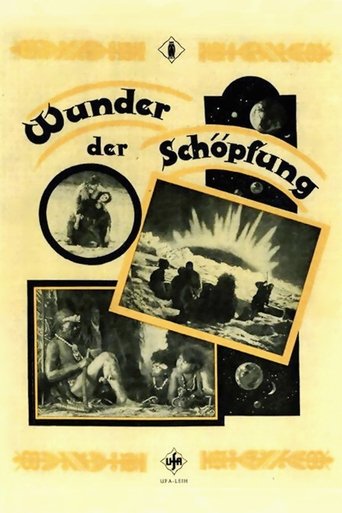
- Our Heavenly Bodies (1925)
Notes
- Margarethe Schlegel is best documented today as a credited cast member of "Our Heavenly Bodies" (1925).
- Her surviving film history is extremely brief, which is common for many silent-era performers whose records were not comprehensively preserved.
- She is associated with German cinema during the Weimar period, one of the most creatively significant eras in film history.
- Because no verified biographical details are readily available, she is often encountered primarily in archival cast lists rather than narrative histories.
- Her name appears in film-reference contexts that emphasize preservation of lesser-known silent-film personnel.
- She is an example of how many screen artists of the 1920s remain visible to historians only through a single surviving credit.
- Her career underscores the difficulty of reconstructing the lives of silent-era actors who were not major stars.
- The film she is known for, "Our Heavenly Bodies," reflects the period's blend of science, spectacle, and educational filmmaking interests.
Questions
Who was Margarethe Schlegel?
Margarethe Schlegel was a German silent-era film actress known primarily from her credit in "Our Heavenly Bodies" (1925). Very little biographical information has survived, so she is remembered mainly as part of the broader cast of Weimar-era cinema rather than as a star with a large documented body of work.
What films is Margarethe Schlegel best known for?
She is best known for "Our Heavenly Bodies" (1925), the one film credit most commonly associated with her in surviving records. At present, this appears to be the only readily verifiable title tied to her name in classic-film documentation.
When was Margarethe Schlegel born and when did she die?
Her birth date and death date are not currently documented in the available classic cinema sources. Because of the limited archival record, both her place of birth and the circumstances of her later life remain unknown.
What awards did Margarethe Schlegel win?
No awards or nominations are documented for Margarethe Schlegel in the available sources. This is not unusual for many silent-era performers whose careers were brief or poorly recorded.
What was Margarethe Schlegel's acting style?
No detailed contemporary description of her acting style has survived. As a silent-era performer, she would have relied on gesture, expression, and visual clarity, but any more specific assessment would be speculative without reviews or surviving production commentary.
What is Margarethe Schlegel's legacy in film history?
Her legacy is largely archival: she remains part of the historical record of German silent cinema and the cast history of "Our Heavenly Bodies." Even with only one known credit, she represents the many working actors who helped build the silent film era and whose contributions are preserved mainly through film databases and archival research.