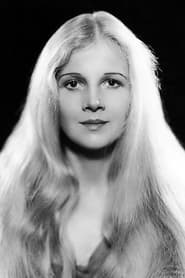
Ann Harding
Actor
Born: August 7, 1902 in San Antonio, Texas, USA Died: September 1, 1981 Active: 1929-1965 Birth Name: Dorothy Walton Gatley
Films
2 films
About Ann Harding
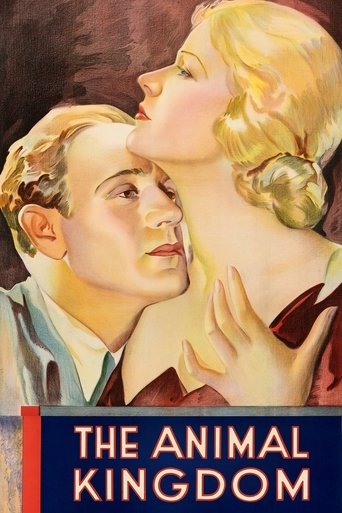
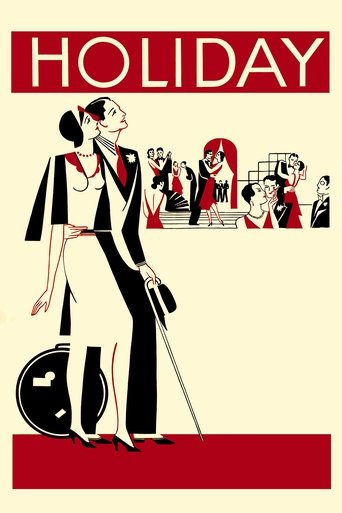
The 1930 film Holiday is the only title linked here for Ann Harding. Harding quickly established herself as a premier dramatic actress, earning an Academy Award nomination for Best Actress for her role in 'Holiday' (1930) opposite Edward G. Robinson. She was particularly known for her portrayals of intelligent, independent women in high-society dramas, often playing characters who challenged traditional gender roles of the era. Throughout the 1930s, she starred in numerous prestigious productions including 'The Animal Kingdom' (1932), 'Peter Ibbetson' (1935), and 'When Ladies Meet' (1933). Her career extended beyond Hollywood with significant stage work and later television appearances, demonstrating remarkable versatility across different media. Harding's refined acting style and dignified screen presence made her a favorite among critics and audiences who appreciated more subtle, naturalistic performances during the early sound era.
The Craft
On Screen
Ann Harding was renowned for her naturalistic and understated acting style, which was revolutionary for the early sound era when many actors were still transitioning from theatrical stage techniques. Her performances were characterized by subtle emotional expressions, intelligent line delivery, and a refined dignity that set her apart from more melodramatic contemporaries. Harding possessed a unique ability to convey complex emotions through minimal gestures and controlled vocal tones, bringing authenticity to her portrayals of sophisticated, educated women. Her approach emphasized psychological realism over theatricality, making her particularly effective in drawing-room comedies and social dramas that required nuanced character development.
Milestones
- Academy Award nomination for Best Actress for 'Holiday' (1930)
- Starred in 'The Animal Kingdom' (1932) opposite Leslie Howard
- Broadway success before transitioning to films
- Pioneered naturalistic acting style in early talkies
- Successful stage career alongside film work
- Television appearances in the 1950s and 1960s
Best Known For
Iconic Roles
Must-See Films
Accolades
Won
- Venice Film Festival Volpi Cup for Best Actress for 'The Flame Within' (1935)
Nominated
- Academy Award nomination for Best Actress for 'Holiday' (1930)
Special Recognition
- Hollywood Walk of Fame star at 6801 Hollywood Boulevard
- New York Film Critics Circle recognition for her contributions to cinema
Working Relationships
Worked Often With
Studios
Why They Matter
Impact on Culture
Ann Harding significantly influenced the development of naturalistic acting in early sound cinema, helping to establish a more realistic and less theatrical approach that would become standard in later decades. Her success in sophisticated drawing-room comedies and dramas helped define the genre of 'pre-code' Hollywood films that featured independent, intelligent female characters. Harding's career demonstrated that actresses could maintain dignity and artistic integrity while working within the studio system, inspiring subsequent generations of performers to prioritize quality over quantity. Her transition from Broadway to Hollywood represented the growing legitimacy of film as an art form capable of attracting serious dramatic talent from the stage.
Lasting Legacy
Ann Harding's legacy lies in her role in establishing naturalistic acting techniques during the crucial transition period from silent films to talkies. She is remembered as. Her Academy Award nomination for 'Holiday' cemented her status as a serious dramatic actress, while her continued success across different media demonstrated remarkable adaptability. Harding's influence can be seen in the later careers of actresses like Katharine Hepburn and Bette Davis, who similarly portrayed strong, intelligent women with dignity and complexity. Her work remains proof of the artistic possibilities of early sound cinema and the importance of subtle, nuanced performance.
Who They Inspired
Harding's naturalistic acting style influenced a generation of actors who moved away from theatrical gestures toward more realistic screen performances. Her success in portraying educated, independent women helped expand the range of roles available to actresses in early Hollywood. Directors and casting directors began to seek performers who could deliver subtle, emotionally complex performances, a trend that Harding helped establish. Her stage background and literary sophistication elevated the artistic standards of film acting during the 1930s, contributing to cinema's growing cultural legitimacy as an art form comparable to theater and literature.
Off Screen
Ann Harding led a relatively private personal life marked by three marriages and one daughter. She married her first husband, mining engineer Harry Bannister, in 1937, with whom she had her only child, Jane. The marriage ended in divorce in 1945. Her second marriage was to conductor Werner Janssen in 1950, which also ended in divorce. Her third and final marriage was to Walter Abramo, a stockbroker, which lasted until his death in 1978. Harding was known for her intelligence and cultural refinement, maintaining friendships with many literary and artistic figures throughout her life. She spent her later years in Sherman Oaks, California, where she died of a heart attack at age 79.
Education
Attended Bryn Mawr College, studied at the American Academy of Dramatic Arts
Family
- Harry Bannister (1937-1945)
- Werner Janssen (1950-1957)
- Walter Abramo (1959-1978)
Did You Know?
- Was discovered by film producer Jesse Lasky while performing on Broadway
- Her real name Dorothy Walton Gatley was changed to Ann Harding by studio executives
- She was one of the highest-paid actresses of the early 1930s
- Turned down the role of Scarlett O'Hara in 'Gone with the Wind' (1939)
- Spoke fluent French and was known for her cultural sophistication
- Her Academy Award nomination for 'Holiday' was the first for an actress in a comedy role
- Made her television debut in 1953 on 'The Ford Television Theatre'
- Was a founding member of the Screen Actors Guild
- Her daughter Jane appeared in several of her mother's films as a child
- Maintained a lifelong friendship with fellow actress Myrna Loy
In Their Own Words
I've always believed that acting should be about truth, not about tricks. The camera sees everything, so you must be honest in your emotions.
The transition from stage to film taught me that less is more. In film, a single glance can convey what takes pages of dialogue on stage.
I never wanted to be just a movie star. I wanted to be an actress, and there's a world of difference between the two.
Frequently Asked Questions
Who was Ann Harding?
American actress of the early sound era, known for her sophisticated and naturalistic acting style. She rose to prominence in the early 1930s after a successful Broadway career and earned an Academy Award nomination for 'Holiday' (1930). Harding was particularly celebrated for her portrayals of intelligent, independent women in high-society dramas and comedies.
What films is Ann Harding best known for?
Titles linked here include Holiday (1930), The Animal Kingdom (1932).
When was Ann Harding born and when did she die?
Born August 7, 1902; died September 1, 1981.
What awards did Ann Harding win?
Ann Harding received an Academy Award nomination for Best Actress for her performance in 'Holiday' (1930) and won the Volpi Cup for Best Actress at the Venice Film Festival for 'The Flame Within' (1935). She also received a star on the Hollywood Walk of Fame at 6801 Hollywood Boulevard in recognition of her contributions to cinema.
What was Ann Harding's acting style?
Ann Harding was renowned for her naturalistic and understated acting style, which was revolutionary for the early sound era. She emphasized subtle emotional expressions and realistic delivery over theatrical gestures, bringing psychological depth to her characters. Her sophisticated approach to performance helped establish a new standard for film acting that influenced subsequent generations of actors.
Did Ann Harding work in other media besides film?
Yes, Ann Harding had a diverse career across multiple media. She began as a successful Broadway actress before transitioning to films, and later returned to stage work throughout her career. In the 1950s and 1960s, she made numerous television appearances, including dramatic series and anthology shows, demonstrating remarkable adaptability across different entertainment mediums.
How did Ann Harding influence early Hollywood cinema?
Ann Harding significantly influenced early Hollywood cinema by helping establish naturalistic acting techniques during the crucial transition from silent films to talkies. Her success in portraying sophisticated, intelligent women expanded the range of roles available to actresses and elevated the artistic standards of film performance. Her career demonstrated that serious dramatic talent from legitimate theater could find success and artistic fulfillment in cinema.