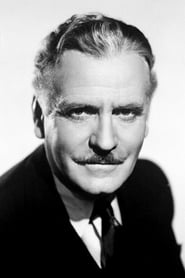
Ralph Morgan
Actor
Born: July 6, 1883 in New York City, New York, USA Died: June 11, 1956 Active: 1915-1950 Birth Name: Raphael Kuhner Wuppermann
Films
1 film
About Ralph Morgan
character actor of Hollywood's Golden Age — known for his authoritative presence and versatile performances across more than three decades. Born Raphael Kuhner Wuppermann into a prominent New York family, he initially pursued a career in engineering before turning to the stage and eventually films. Morgan made his film debut during the silent era and successfully transitioned to talkies, appearing in over 150 films between 1915 and 1950. He was particularly adept at playing judges, doctors, and authority figures, bringing gravitas and refinement to every role. Beyond his acting career, Morgan was instrumental in organizing the Screen Actors Guild, serving as its first president in 1933 and fighting for actors' rights during Hollywood's formative years. His younger brother was the Frank Morgan, best known as the Wizard in 'The Wizard of Oz,' though Ralph carved out his own career as a reliable character actor. Despite never achieving leading man status, Morgan's contributions to cinema were significant, both through his memorable performances and his advocacy for performers' rights.
The Craft
On Screen
Morgan was known for his dignified, authoritative presence and refined delivery. He specialized in playing professionals and authority figures with a natural gravitas that made him believable as judges, doctors, and executives. His acting style was characterized by clear diction, measured movements, and an ability to convey complex emotions through subtle facial expressions. Unlike many character actors of his era, Morgan avoided stereotypical mannerisms, instead bringing authenticity and depth to even minor roles. His stage training gave him a commanding presence that translated well to the screen, allowing him to dominate scenes without overpowering his co-stars.
Milestones
- First President of Screen Actors Guild (1933)
- Appeared in over 150 films
- Successful transition from silent films to talkies
- actor's rights advocate
- Long-term contract player at major studios
Best Known For
Iconic Roles
Must-See Films
Accolades
Won
- Screen Actors Guild Life Achievement Award (posthumous recognition for founding role)
Special Recognition
- Founding President of Screen Actors Guild
- Hollywood Walk of Fame Star (located at 6422 Hollywood Blvd)
Working Relationships
Worked Often With
Studios
Why They Matter
Impact on Culture
Ralph Morgan's most significant cultural impact came through his work in establishing the Screen Actors Guild, which fundamentally changed the power dynamics in Hollywood and ensured better working conditions for generations of performers. As the guild's first president, he negotiated crucial contracts that established minimum wages, working hours, and residuals for actors. His dignified portrayal of authority figures helped shape the archetype of the wise, fair-minded professional in American cinema during the 1930s and 1940s. Morgan represented the transition from theatrical acting to film performance, successfully adapting his stage techniques for the camera while maintaining the gravitas that characterized classic Hollywood character actors.
Lasting Legacy
Ralph Morgan's legacy extends far beyond his filmography; he is remembered as a foundational figure in Hollywood labor history and a champion of actors' rights. His work in establishing the Screen Actors Guild created a blueprint for performer advocacy that continues to influence the industry today. As an actor, he exemplified the dignity and professionalism of Hollywood's Golden Age character actors, bringing authenticity and depth to supporting roles that elevated numerous films. His contributions helped establish the modern framework for actor compensation and working conditions in Hollywood. The Morgan family, including his brother Frank and daughter Claudia, represents one of Hollywood's most theatrical dynasties, with Ralph's advocacy work ensuring that future generations of performers would have the protections and respect he fought to establish.
Who They Inspired
Morgan's influence on the industry was primarily through his organizational leadership rather than his acting style, though his dignified approach to character acting set a standard for professionalism. His success in establishing the Screen Actors Guild influenced the formation of other Hollywood unions and demonstrated that collective action could succeed against powerful studio interests. Many character actors who followed benefited from the working conditions and protections he helped establish. His advocacy work inspired future generations of performers to take an active role in industry governance and labor negotiations. The SAG model he helped create has been adapted by performer unions worldwide, making his influence truly global in scope.
Off Screen
Ralph Morgan came from a prominent New York family with his father George Wuppermann being a successful businessman. He married Grace Arnold in 1918, and they remained together until her death in 1948. The couple had one daughter, Claudia Morgan, who followed in her father's theatrical footsteps and became a successful Broadway actress. Morgan was known for his intellectual pursuits off-screen, maintaining an extensive library and engaging in philosophical discussions. After his first wife's death, he married Mary Baker in 1951. Despite his Hollywood success, Morgan maintained a relatively private personal life, focusing on his craft and his advocacy work within the industry.
Education
Graduated from Columbia University with a degree in engineering; also attended the American Academy of Dramatic Arts
Family
- Grace Arnold (1918-1948)
- Mary Baker (1951-1956)
Did You Know?
- Was the older brother of Frank Morgan, who played the Wizard in 'The Wizard of Oz'
- Originally studied engineering at Columbia University before turning to acting
- Was one of the founding members and first president of the Screen Actors Guild in 1933
- Changed his professional name from Raphael Wuppermann to Ralph Morgan for easier pronunciation
- Served in the U.S. Army during World War I
- Was a highly skilled chess player and often played between takes on film sets
- His daughter Claudia Morgan — successful Broadway actress
- Appeared in both the silent film version and the sound remake of 'The Trial of Mary Dugan'
- Was a founding member of the Hollywood Anti-Nazi League in the 1930s
- Spoke fluent German and French, which helped him secure international film roles
- Never won an Academy Award but received a special citation from SAG for his founding work
In Their Own Words
Actors are not commodities to be bought and sold, but artists deserving of respect and fair compensation
The strength of our union lies not in our stars, but in our solidarity
Every character, no matter how small, deserves the truth of the actor's commitment
We built this guild not for ourselves, but for every actor who will follow in our footsteps
Frequently Asked Questions
Who was Ralph Morgan?
American character with credits in this catalog. He was best known for playing authority figures and was the founding president of the Screen Actors Guild, establishing crucial rights and protections for performers.
What films is Ralph Morgan best known for?
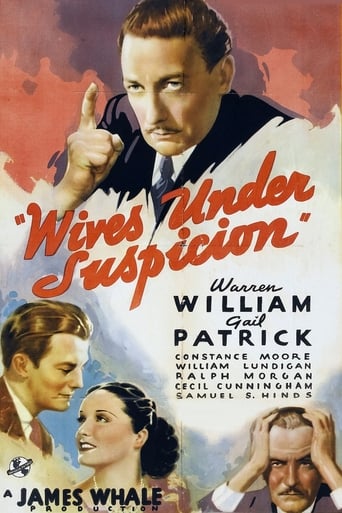
Titles linked here include Wives Under Suspicion (1938), The Adventures of Tom Sawyer (1938).
When was Ralph Morgan born and when did he die?
Born July 6, 1883; died June 11, 1956.
What awards did Ralph Morgan win?
While Ralph Morgan never received an Academy Award nomination for his acting, he received posthumous recognition from the Screen Actors Guild for his foundational role as the organization's first president. He also has a star on the Hollywood Walk of Fame.
What was Ralph Morgan's acting style?
Morgan was known for his dignified, authoritative presence and refined delivery, specializing in playing professionals and authority figures. His stage training gave him a commanding presence with clear diction and the ability to convey complex emotions through subtle expressions.
How was Ralph Morgan related to Frank Morgan?
Ralph Morgan was the older brother of Frank Morgan, who achieved fame as the Wizard in 'The Wizard of Oz.' Both brothers changed their surname from Wuppermann to Morgan for their professional careers.
What was Ralph Morgan's role in the Screen Actors Guild?
Ralph Morgan was instrumental in founding the Screen Actors Guild in 1933 and served as its first president. He led the fight for actors' rights, establishing minimum wages, working conditions, and residuals that continue to benefit performers today.