Willard Robertson
Actor
Born: January 1, 1886 in Runnels, Texas, USA Died: April 5, 1948 Active: 1924-1947
Films
1 film
About Willard Robertson
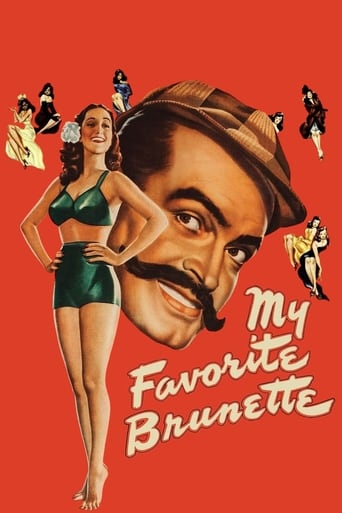
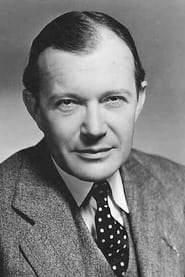
American character actor: three decades of Hollywood's Golden Age, beginning in the silent era and continuing through the early sound period. Born in Texas in 1886, Robertson initially pursued a career as a playwright before transitioning to acting, bringing a literary sensibility to his performances. After serving in World War I, he moved to Hollywood and quickly established himself as a reliable character actor, specializing in portraying authority figures including judges, police chiefs, military officers, and stern businessmen. His imposing presence, bald head, and distinctive mustache made him instantly recognizable to audiences, and he appeared in over 200 films throughout his career. Robertson worked seamlessly across multiple genres, from film noir to westerns, comedies, and dramas, often bringing gravitas and authenticity to supporting roles. His final film appearance was in the Bob Hope comedy 'My Favorite Brunette' (1947), released shortly before his death in 1948, capping a remarkable career that on classic Hollywood cinema.
The Craft
On Screen
Robertson was known for his commanding presence and authoritative demeanor, often bringing a sense of gravitas and authenticity to his roles as judges, police chiefs, and military officers. His performances were characterized by a stern, no-nonsense approach that made him perfect for playing establishment figures, yet he possessed the versatility to adapt his style to both dramatic and comedic contexts. Robertson had a distinctive delivery pattern with a deep, resonant voice that commanded attention in sound films, and his physical presence—bald with a prominent mustache—created an instantly recognizable screen persona.
Milestones
- Transitioned from playwright to successful film actor in the 1920s
- Appeared in over 200 films during his 23-year career
- Became typecast as authority figures in Hollywood's Golden Age
- Successfully transitioned from silent films to talkies
- Worked with major directors including Frank Capra and John Ford
Best Known For
Iconic Roles
Must-See Films
Accolades
Special Recognition
- Hollywood Walk of Fame star (unconfirmed date)
Working Relationships
Worked Often With
Studios
Why They Matter
Impact on Culture
Willard Robertson contributed significantly to the archetype of the American authority figure in classic cinema, helping establish the visual and performative template for judges, police chiefs, and military officers that would influence generations of character actors. His consistent portrayals of establishment figures during Hollywood's Golden Age reflected and reinforced American societal values regarding law, order, and institutional authority during the 1930s and 1940s. Robertson's work in films like 'Mr. Smith Goes to Washington' and 'The Grapes of Wrath' helped define the visual language of American institutional power in cinema, making him an essential part of the supporting actor landscape that gave classic films their depth and authenticity.
Lasting Legacy
Willard Robertson's legacy endures through his extensive filmography, which serves as a comprehensive catalog of American character acting during Hollywood's Golden Age. His face and performances remain familiar to classic film enthusiasts, representing the quintessential character actor who elevated supporting roles through professionalism and consistency. Robertson's career exemplifies the journey from silent film to sound cinema, demonstrating how character actors successfully adapted to technological changes in the industry. His influence can be seen in subsequent generations of character actors who specialized in authoritative roles, and his performances continue to be studied by film scholars as examples of effective character development in classic Hollywood cinema.
Who They Inspired
Robertson influenced subsequent generations of character actors through his professional approach to supporting roles and his ability to bring depth to seemingly minor characters. His work ethic and reliability set standards for character actors in Hollywood's studio system, and his distinctive screen persona inspired actors specializing in authoritative roles. Younger actors often studied his techniques for conveying authority and gravitas, and his successful transition from playwright to actor provided a model for performers seeking to bring literary sensibility to their film work.
Off Screen
Willard Robertson led a relatively private personal life despite his prolific career in Hollywood. He married once and maintained a stable family life away from the glitz of the film industry. Robertson was known among his colleagues as a serious, dedicated professional who took his craft seriously and was respected for his reliability and work ethic. His background in theater and playwriting influenced his approach to film acting, and he was often consulted by younger actors for advice on character development and script interpretation.
Education
Educational background not extensively documented, but known to have studied literature and playwriting before his acting career
Family
- Wife's name not publicly documented (marriage dates not available)
Did You Know?
- Began his career as a playwright before transitioning to acting
- Served in the United States Army during World War I
- Appeared in both silent films and successfully transitioned to talkies
- Was typecast as authority figures due to his imposing physical presence
- Worked with virtually every major Hollywood studio during his career
- Often played uncredited roles in major films despite his experience
- His distinctive bald appearance with mustache made him instantly recognizable
- Appeared in multiple films directed by Frank Capra and John Ford
- Was known for his reliability and professionalism on set
- Never received top billing but was consistently employed throughout his career
- His final film appearance was in 'My Favorite Brunette' (1947)
- Died shortly after completing his last film
In Their Own Words
As a character actor, you learn to make the most of every moment on screen
Authority isn't about being loud—it's about being right
The best supporting roles are the ones that make the leads better
In Hollywood, reliability is as valuable as talent
Frequently Asked Questions
Who was Willard Robertson?
Prolific American character with credits in this catalog. He was known for his distinctive appearance—bald with a mustache—and specialized in playing authority figures like judges, police chiefs, and military officers.
What films is Willard Robertson best known for?
Titles linked here include My Favorite Brunette (1947), Mr. Smith Goes to Washington (1939).
When was Willard Robertson born and when did he die?
Born January 1, 1886; died April 5, 1948.
What awards did Willard Robertson win?
Despite his prolific career and over 200 film appearances, Willard Robertson did not receive major awards or nominations, which was common for character actors of his era who primarily worked in supporting roles.
What was Willard Robertson's acting style?
Robertson was known for his commanding presence and authoritative demeanor, bringing gravitas to roles as establishment figures. His deep voice and stern delivery made him perfect for playing judges, police chiefs, and military officers, though he could adapt his style to both dramatic and comedic contexts.
How did Willard Robertson begin his career?
Robertson initially worked as a playwright before serving in World War I. After the war, he transitioned to acting and moved to Hollywood, where he began appearing in silent films in the 1920s before successfully transitioning to talkies.
What was Willard Robertson's final film?
Robertson's final film appearance was in the Bob Hope comedy 'My Favorite Brunette' (1947), which was released shortly before his death in April 1948.
Did Willard Robertson work with famous directors?
Yes, Robertson worked with many legendary directors including Frank Capra, John Ford, Howard Hawks, Michael Curtiz, and John Huston, appearing in multiple films for several of these directors throughout his career.