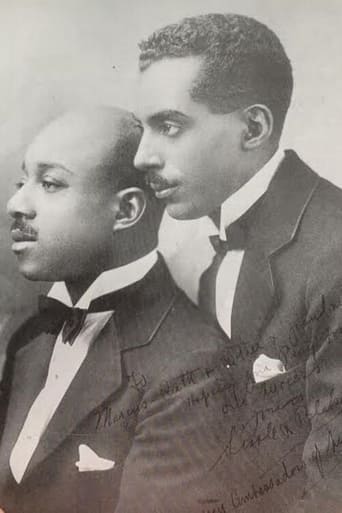
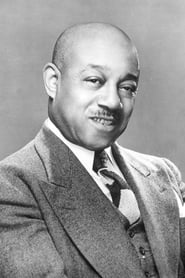
Eubie Blake
Actor
- Born
- February 7, 1887, Baltimore, Maryland, USA
- Died
- February 12, 1983
- Active
- 1900s-1980s
- Birth name
- James Hubert Blake
Films 1
About Eubie Blake
Eubie Blake was an American composer, pianist, songwriter, and entertainer whose long career made him one of the most enduring figures in African American musical theater and early screen performance. Born James Hubert Blake in Baltimore, Maryland, he showed extraordinary musical talent at a young age and became a noted ragtime and stride pianist before the First World War. He achieved lasting fame as the co-creator, with lyricist Noble Sissle, of the landmark Broadway musical "Shuffle Along" in 1921, a production that helped open doors for Black artists in American entertainment and influenced the sound and style of popular stage and screen performance in the 1920s. In film history, he is credited as an actor in the short feature "Noble Sissle and Eubie Blake Sing Snappy Songs" (1923), reflecting the common early-cinema practice of preserving popular stage personalities and musical acts on film. Blake continued composing, performing, and appearing in public well into advanced age, remaining a beloved living link to ragtime, vaudeville, and the early days of Black musical theater. His life spanned nearly the entire history of 20th-century American popular music, and his reputation rests less on conventional acting roles than on his central role as a performer, composer, and cultural pioneer whose artistry shaped the environment in which early screen musical performance developed.
More about Eubie Blake
On screen
As a screen presence, Blake was not primarily a dramatic actor but a musical performer whose charm came from musical fluency, relaxed stage confidence, and the easy rapport of a seasoned vaudeville entertainer. His filmed work reflected the early-cinema tradition of capturing live acts rather than constructing character-based performances, so his style was rooted in timing, musical phrasing, and personality rather than theatrical transformation. He projected an urbane, lightly humorous, polished presence that translated well from stage to screen, especially in short musical subjects. In live performance, his piano playing and delivery were often described as elegant, rhythmic, and deeply seasoned by ragtime and vaudeville conventions.
In film history
Eubie Blake had an enormous cultural impact far beyond his limited filmography. As a composer and performer, he helped define the sound of early 20th-century Black musical entertainment and played a crucial role in bringing African American creativity to mainstream Broadway audiences. "Shuffle Along" became a landmark not only for its commercial success but also for helping launch the Harlem Renaissance aesthetic in popular theater, influencing music, dance, fashion, and performance style. His filmed appearance in "Noble Sissle and Eubie Blake Sing Snappy Songs" matters historically because it preserves, in cinematic form, a direct link to the vaudeville and ragtime traditions that fed early screen musicals and short subjects. Blake’s career also helped legitimize Black musical artistry at a time when segregation and industry barriers limited opportunities on stage and screen. His name remains synonymous with ragtime excellence, stylish professionalism, and the rise of Black Broadway.
Later reputation
Blake’s legacy rests on his extraordinary longevity and his foundational role in American musical theater. He is remembered as one of the chief architects of the Black Broadway breakthrough, a composer whose melodies and rhythms influenced later jazz, musical comedy, and stage revues. In film history, he occupies a smaller but important place as one of the performers whose live musical artistry was captured by the camera during the early 1920s, when the motion picture industry was documenting stage acts and popular entertainment forms. His long life allowed him to become a living archive of ragtime and vaudeville, and later generations came to him as a symbol of continuity between the 19th-century roots of Black popular music and modern performance culture. The continuing revivals, recordings, and historical studies of his work keep him firmly anchored in both music history and the broader story of classic American entertainment.
Influence
Blake influenced generations of composers, pianists, theatrical producers, and performers by demonstrating that Black musical artistry could be commercially successful, sophisticated, and culturally transformative. His stride and ragtime piano style informed later jazz pianism, while his Broadway work helped pave the way for future Black musical creators in stage and screen entertainment. The success of "Shuffle Along" became a model for integrated popular appeal and showed that Black artists could shape mainstream American culture rather than merely participate in it. His presence in early film subjects also influenced the way popular performers were presented on screen, especially in musical shorts that emphasized personality and performance over narrative. Later entertainers looked to Blake as a symbol of elegance, resilience, and artistic longevity.
Off screen
Eubie Blake was born James Hubert Blake in Baltimore to a working-class family, and his musical gifts were evident from childhood. He married several times over the course of his long life, and his personal story is closely tied to his enduring partnership with performers and collaborators in the Black theater world. His first and most historically significant professional collaboration was with Noble Sissle, with whom he formed one of the most celebrated songwriting teams of the era. Blake remained active for decades, outliving many of his contemporaries and becoming a treasured elder statesman of American music. He was known for his longevity, his wit, and his role as a witness to multiple eras of American entertainment history.
Education
Formal schooling beyond his early education is not prominently documented in standard film-reference sources; his musical education was largely practical, self-directed, and shaped by Baltimore’s performance culture, church music, and popular entertainment traditions.
Credits
- Co-created the groundbreaking Broadway musical "Shuffle Along" with Noble Sissle, one of the most important all-Black musical theater productions of the 20th century.
- Gained early screen credit in the 1923 film "Noble Sissle and Eubie Blake Sing Snappy Songs," documenting his performance style for cinematic audiences.
- Built a long career as a stride and ragtime pianist celebrated for his virtuosity, wit, and rhythmic drive.
- Helped popularize songs and performance styles that became part of the foundation of modern American popular music and musical theater.
- Remained a highly visible public performer and cultural ambassador into his later years, preserving the legacy of early Black entertainment.
- Was widely recognized as one of the great living links to the ragtime era and the dawn of Black Broadway.
Roles
- Himself in "Noble Sissle and Eubie Blake Sing Snappy Songs"
Films
Awards
- Tony Award Special Award for "Eubie!" (1978)
- National Medal of Arts (1981)
Nominations
- Tony Award nomination associated with "Eubie!" recognition in the Broadway awards cycle
Honors
- Inducted into the Songwriters Hall of Fame
- Named among major American cultural figures recognized for contributions to music and theater
- Recipient of broad lifetime recognition for preserving ragtime and early Black musical heritage
Collaborators
- Noble Sissle
- Florenz Ziegfeld-associated Broadway circles
- Performers and musicians from the Harlem Renaissance and Black vaudeville traditions
Studios
- Associated with early film presentation and short musical subject production rather than a long-term studio contract
- Linked to the New York theatrical and early sound-era performance circuit
Family
- Avis Elizabeth Crittenden (1910-1931)
- Marion Gant (later marriage; exact years not reliably verified)
- Addie Saulter (later marriage; exact years not reliably verified)
- Marge Champion's father? null
Notes
- His birth name was James Hubert Blake, and "Eubie" came from the phonetic spelling of the way his initials were pronounced.
- He was one of the few major ragtime-era figures to live long enough to be celebrated during the modern revival of early jazz and American popular music.
- He co-created "Shuffle Along," which is widely regarded as a landmark in Black theatrical history.
- His filmography as an actor is extremely small, and his 1923 screen appearance is primarily valuable as a historical record of his performance persona.
- He performed professionally for most of his life and continued appearing publicly well into his later years.
- Blake was celebrated for both his composing and his piano playing, especially his elegant stride technique.
- His work helped bridge the gap between ragtime, vaudeville, early jazz, and Broadway musical comedy.
- He became a cultural symbol of the Harlem Renaissance era, even though his roots were in Baltimore and vaudeville rather than New York alone.
- He was honored late in life with major national recognition, reflecting the broad historical significance of his contributions.
- His music continued to be revived and recorded by later generations, keeping his name active in both theater and jazz circles.
Quotes
I’m just a natural-born piano player.
If you haven’t a godfather, invite a composer and play his tunes.
Questions
Who was Eubie Blake?
Eubie Blake was an American composer, pianist, songwriter, and entertainer best known for his role in shaping early Black musical theater and ragtime performance. He also had a small but important connection to classic cinema through the 1923 screen short "Noble Sissle and Eubie Blake Sing Snappy Songs."
What films is Eubie Blake best known for?
He is primarily associated with "Noble Sissle and Eubie Blake Sing Snappy Songs" (1923), the filmed musical short that preserves his performance with Noble Sissle. His fame, however, comes much more from Broadway and music history than from a large film career.
When was Eubie Blake born and when did he die?
Eubie Blake was born on February 7, 1887, in Baltimore, Maryland, USA. He died on February 12, 1983, after a remarkably long life that spanned the ragtime era through the modern revival of early American music.
What awards did Eubie Blake win?
He received a Tony Award Special Award associated with the Broadway success of "Eubie!" and was also awarded the National Medal of Arts in 1981. He was additionally honored through major lifetime recognition in the music and theater world, including Songwriters Hall of Fame status.
What was Eubie Blake's style as a performer?
Blake’s style combined sophisticated ragtime and stride piano technique with vaudeville polish and a warm, urbane stage personality. In film and performance, he relied more on musical charisma, timing, and elegance than on dramatic acting.
Why is Eubie Blake important in cultural history?
He was a key figure in the rise of Black Broadway and helped create one of the most important African American musical theater successes of the early 20th century. His work influenced later jazz, musical theater, and the preservation of ragtime as a vital American art form.