Also available on: YouTube
Noble Sissle and Eubie Blake Sing Snappy Songs

Noble Sissle and Eubie Blake Sing Snappy Songs

1923 United States
Performance as spectacleTechnological noveltyBlack musical artistryEntertainment and vaudeville traditionPreservation of ephemeral live performance

Plot

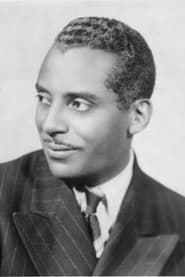
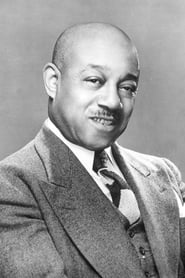
This short 1923 sound film presents Noble Sissle and Eubie Blake performing a series of lively, contemporary-style songs in a simple studio setting, with the emphasis placed on the performers’ personalities, timing, and musicianship rather than on narrative drama. The film is essentially a filmed musical act, built around the appeal of Sissle and Blake as a celebrated songwriting and performance duo associated with Black musical revues of the era. Because it is an early sound short, the experience is closer to a recorded stage performance than a conventional silent-era story film, and the entertainment comes from the novelty of synchronized sound as much as from the songs themselves. The film captures the duo in the early sound-film period, when audiences were still fascinated by the ability to see and hear performers on screen at the same time. As a result, its value today lies less in plot than in its historical importance as an early sound record of two major Black entertainers of the 1920s.

About the Production

Release Date 1923
Production DeForest Phonofilm
Filmed In New York City, New York, USA

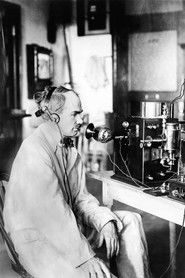
This film was produced as part of Lee De Forest’s Phonofilm process, one of the earliest practical sound-on-film systems. Like many Phonofilm shorts, it was designed primarily to demonstrate synchronized sound reproduction and to preserve a musical performance rather than to tell a conventional narrative. The film featured Noble Sissle and Eubie Blake, whose prominence in Black musical entertainment made them ideal subjects for an early talking-picture demonstration. Surviving records indicate that this is a short promotional-performance film, and much of its historical interest comes from the fact that so many early sound shorts were lost or poorly documented. It is also significant as one of the early filmed documents of Black popular music performance captured in a synchronized format.

Historical Background

The film was made in 1923, a period when motion pictures were still largely silent but sound-on-film experiments were rapidly advancing. Lee De Forest’s Phonofilm demonstrations came several years before sound features became commercially dominant, making this short part of the crucial bridge between silent cinema and the talking-picture revolution. At the same time, Black musical performance was transforming American popular entertainment through vaudeville, Broadway, and recorded music, even as segregation and racial inequality limited access and recognition. Noble Sissle and Eubie Blake stood at the center of this cultural moment, helping bring Black musical sophistication into mainstream entertainment through performance and composition. The film matters historically because it preserves not only an early technical achievement in sound recording for cinema, but also a rare audiovisual trace of Black artists working in the years before sound film became an industry standard.

Why This Film Matters

The film’s cultural significance lies in its dual role as an early sound-film experiment and as an important document of Black musical artistry. It preserves the voices and performance style of Noble Sissle and Eubie Blake at a time when moving-image sound recordings were still uncommon, especially for Black performers. As an early Phonofilm subject, it helped demonstrate the viability of synchronized sound long before the major Hollywood studios embraced the technology. Culturally, it also contributes to the visibility of Black artists in the historical record, offering evidence of the sophistication and popularity of Black popular entertainment in the early twentieth century. Today it is valued by film historians, music historians, and archivists as part of the larger story of both sound cinema and African American cultural history.

Making Of

The film was made during the experimental phase of sound cinema, when inventors and producers were competing to prove that synchronized sound could be recorded and exhibited reliably. Lee De Forest’s Phonofilm process relied on photographing sound waves directly onto film, allowing the image and audio to travel together as a single medium. Noble Sissle and Eubie Blake, already well known as sophisticated musical performers, were well suited to this format because their appeal translated naturally into a short filmed performance. The production reflects the practical, stripped-down approach typical of early sound shorts: a studio setup, minimal staging, and an emphasis on capturing performance clearly rather than constructing elaborate cinematic movement. For modern historians, the film is important as both a technical artifact and a cultural record of Black performance in an era when few such performances were preserved on sound film.

Visual Style

The cinematography is characteristic of early sound-on-film shorts, with a straightforward, relatively static presentation designed to capture performance cleanly and keep the performers within the sound-recording setup. Visual movement is likely limited compared with later cinema because early sound systems imposed technical constraints that discouraged extensive camera motion and elaborate staging. The emphasis would have been on clarity, framing, and synchronization rather than visual flourish. As a result, the film’s visual style is valuable for what it reveals about the priorities of pioneering sound production: legibility, performance visibility, and technical accuracy.

Innovations

The key technical achievement of the film is its use of Lee De Forest’s Phonofilm sound-on-film technology, which was among the earliest systems to successfully synchronize recorded sound with motion pictures. It demonstrates the feasibility of capturing music directly onto film in a way that could be projected in sync, predating the more famous commercial sound systems of the late 1920s. The film is therefore important not for special effects or visual innovation, but for its role in the evolution of cinematic sound technology. It stands as part of the pioneering chain of experiments that eventually made the talkies possible.

Music

The soundtrack consists of Noble Sissle and Eubie Blake performing songs associated with their musical style and era, captured through Lee De Forest’s early sound-on-film process. The film’s title suggests a program of snappy, upbeat numbers designed to showcase rhythm, melody, and vocal character. Because it is an early sound short, the music itself is the central attraction, and the soundtrack is historically important as one of the early preserved examples of synchronized musical performance on film. Exact song identification is not consistently documented in readily available sources, but the film’s purpose was clearly to present the duo’s singing in a clear, recorded form.

Memorable Scenes

  • The central performance sequence in which Noble Sissle and Eubie Blake sing directly to the camera, turning the film into a filmed stage act.
  • The early synchronized sound presentation itself, which would have been the most memorable 'scene' for original audiences encountering moving images that could also be heard.

Did You Know?

  • The film is one of the early examples of Lee De Forest’s Phonofilm sound-on-film shorts.
  • Noble Sissle and Eubie Blake were a celebrated songwriting and performing team, later especially associated with the Broadway musical Shuffle Along.
  • The short is historically important as an early synchronized sound record of Black entertainers during the silent-to-sound transition period.
  • Many Phonofilm subjects were made in New York and shown in vaudeville theaters as novelty attractions.
  • Because it is a short performance film, it survives in film history more as an archival document than as a narrative cinema work.
  • The title reflects the era’s promotional style, emphasizing the performers and the upbeat quality of the material.
  • Lee De Forest’s sound system was one of several competing technologies that paved the way for commercial talking pictures later in the decade.
  • Films like this helped audiences acclimate to the idea of hearing music and speech synchronized with moving images.
  • The film documents performers who were central to the development of early twentieth-century Black musical theater and popular song.
  • Its existence is a reminder that many pioneering sound films were not feature-length productions but short vaudeville-style demonstrations.

What Critics Said

Contemporary critical reception is not well documented in surviving mainstream reviews, which is common for short experimental sound films of this period. At the time, such films were often treated as novelties or technical demonstrations rather than as major dramatic works, and their reception depended heavily on the exhibition context in vaudeville houses and special screenings. Modern critics and historians view the film primarily as an archival and technological landmark, appreciating it for what it reveals about early sound cinema, performance culture, and Black musical history. Its critical reputation today rests on preservation value and historical significance rather than conventional narrative or aesthetic acclaim.

What Audiences Thought

Audience reception was likely shaped by novelty and curiosity, since early sound shorts were frequently presented as attractions that amazed viewers by combining moving images with synchronized music and speech. Audiences accustomed to silent films would have found the ability to hear Noble Sissle and Eubie Blake perform on screen especially striking. Because the film was short and performance-based, its appeal depended on the star power of the performers and the amazement of the sound process itself. Over time, modern audiences encountering the film through archives or restorations tend to respond to it as a rare and fascinating time capsule.

Film Connections

Influenced By

  • Vaudeville performance traditions
  • Early phonograph and sound-recording demonstrations
  • Lee De Forest Phonofilm experimental shorts
  • Black musical revue and stage performance culture

This Film Influenced

  • Early sound demonstration films of the 1920s
  • Subsequent sound-on-film musical shorts
  • Archival performance films preserving stage acts

Film Restoration

Surviving materials are known and the film is considered preserved in archival context, though early sound shorts such as this often survive in fragmentary or carefully held copies rather than widespread distribution prints.

Themes & Topics

musical performancesound filmvaudeville-style shortearly cinemaPhonofilmBlack entertainers