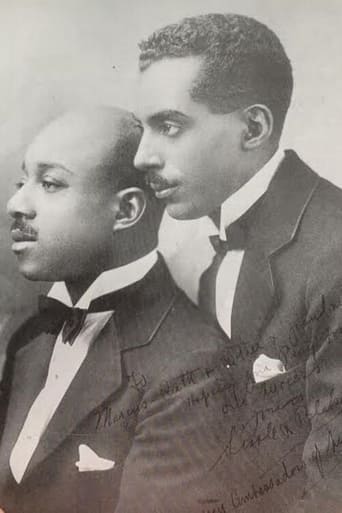
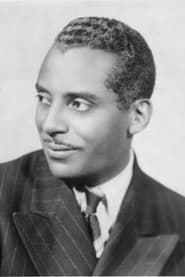
Noble Sissle
Actor
- Born
- July 10, 1889, Indianapolis, Indiana, USA
- Died
- December 17, 1975
- Active
- c. 1910s-1970s
- Birth name
- Noble Lee Sissle
Films 1
About Noble Sissle
Noble Sissle was an American singer, lyricist, bandleader, composer, and entertainer whose screen presence reflected a much larger career in Black popular music and stage performance than his very limited filmography might suggest. Born in Indianapolis, Indiana, he rose to prominence in the 1910s and 1920s as one half of the celebrated songwriting and performance team of Sissle and Eubie Blake, helping to define the sound of early African American musical entertainment in the era of vaudeville, Broadway, and revues. In cinema, he is best remembered for appearing in the 1923 film short Noble Sissle and Eubie Blake Sing Snappy Songs, a performance record associated with the broader world of Black musical theater and early sound-era experimentation. Although he was not a major screen actor in the Hollywood sense, his importance to classic cinema history lies in the preservation of Black musical performance at a time when mainstream film offered very limited opportunities to African American artists. He later became widely recognized for his work on the landmark Broadway musical Shuffle Along, which helped open doors for Black performers and composers in American entertainment. Sissle remained active in music and performance across decades, becoming a respected elder statesman of Black show business and a symbol of the transition from vaudeville and revue entertainment into modern popular music culture. His legacy endures less through a large body of films than through his influence on musical theater, recorded performance, and the representation of Black artistry in early 20th-century American entertainment.
More about Noble Sissle
On screen
Sissle was not primarily a dramatic screen actor, and his filmed work is best understood as a performance-based extension of his musical career. On camera, his style would have emphasized charm, polish, musical timing, and stage-trained presentation rather than naturalistic acting. Like many performers of his era who came from vaudeville and revue traditions, he projected directly and cleanly, with a strong sense of rhythm, diction, and audience connection.
In film history
Noble Sissle’s cultural impact is enormous in the history of African American entertainment even though his filmography is small. He was part of the generation that brought Black musical creativity into the national spotlight through sophisticated songwriting, performance, and stage presentation. His work with Eubie Blake on Shuffle Along is widely regarded as a landmark in Broadway history because it demonstrated that Black creative teams could produce commercially successful, artistically influential musicals for integrated audiences. In cinema history, his appearance in Noble Sissle and Eubie Blake Sing Snappy Songs is important as an early preserved document of Black musical performance, offering modern viewers a glimpse of the artistry that flourished outside the dominant white studio system.
Later reputation
Sissle’s lasting legacy rests on his role as a bridge between vaudeville, early recorded entertainment, and modern Black musical theater. He helped establish a model of Black showmanship that combined musical sophistication, humor, elegance, and commercial appeal at a time when mainstream media often marginalized African American artists. Even though he was not a prolific motion-picture performer, his filmed presence is historically valuable because it preserves the style and sound of an era that is otherwise underrepresented in surviving cinema. In film history, he is remembered as one of the important cultural figures whose work broadened the possibilities for Black representation in American entertainment.
Influence
Sissle influenced generations of Black performers, composers, and stage creators by demonstrating that African American artists could lead successful, high-profile musical productions. His collaboration with Eubie Blake became a template for creative partnership in Black entertainment, while the sophistication of his presentation helped shape expectations for professionalism, polish, and musical excellence. His influence can be seen in later Broadway and popular-music artists who built on the path opened by early Black revues and musicals. In a broader sense, he helped pave the way for more visible Black participation in film-adjacent performance culture, including screen musical shorts, filmed revues, and early sound entertainment.
Off screen
Noble Sissle lived much of his life within the world of professional music and stage entertainment, where personal and professional partnerships often overlapped. He was closely associated with Eubie Blake, with whom he formed one of the most famous creative duos in Black music and theater history. Beyond his partnership with Blake, Sissle maintained a long career in performance and bandleading that placed him among the important cultural figures of his generation. Detailed information about his private domestic life is less prominent in standard film histories than his professional achievements, but he is consistently documented as a major figure in African American entertainment history.
Education
Formal educational details are not prominently documented in standard classic cinema references; he was primarily educated through performance practice, professional music circles, and stage experience.
Credits
- Co-created the enormously influential Broadway musical Shuffle Along with Eubie Blake, helping usher in a new era for Black musical theater
- Formed one of the best-known songwriting and performance partnerships in Black entertainment history with Eubie Blake
- Appeared in the 1923 screen performance Noble Sissle and Eubie Blake Sing Snappy Songs, preserving his voice and style on film
- Became a leading figure in vaudeville, revue, and recorded music during the early 20th century
- Helped popularize sophisticated, syncopated Black musical performance for mainstream audiences
- Worked as a bandleader and entertainer over a long career spanning the pre-jazz, jazz, and post-vaudeville eras
Roles
- Performing as himself in Noble Sissle and Eubie Blake Sing Snappy Songs
- His stage persona as part of the Sissle and Blake partnership
- Emceeing and fronting Black musical revue performances
Films
Awards
- No major film awards are known to have been officially recorded for Noble Sissle
Nominations
- No verified major award nominations are known
Honors
- Recognized as a pioneering figure in Black musical theater and early 20th-century American entertainment history
Collaborators
- Eubie Blake
- Performers and producers in the Black vaudeville and Broadway revue circuit
Studios
- Associated with early film and recorded performance projects rather than a long-term Hollywood studio contract
Family
- Not reliably verified in the available classic cinema record
Notes
- He is far better known as a musician, composer, and bandleader than as a film actor.
- His 1923 screen appearance is closely associated with preserving Black stage performance for the moving-image record.
- He was one half of the legendary Sissle and Blake partnership with Eubie Blake.
- Shuffle Along, created with Blake and others, is considered one of the most important Black musicals in American theater history.
- His career spanned the era from vaudeville and ragtime into jazz and beyond.
- He represents the kind of multi-hyphenate entertainer common in early 20th-century Black performance culture.
- His filmed work is historically important even though it is extremely limited.
- He helped shape the public image of stylish, urbane Black musical performance in the 1920s.
Quotes
No reliably sourced famous quote specific to Noble Sissle could be verified from the available classic cinema record.
Questions
Who was Noble Sissle?
Noble Sissle was an American singer, lyricist, bandleader, composer, and entertainer who played a major role in early Black musical theater and popular entertainment. Although he had only a small screen presence, he is an important classic-era figure because of his contributions to Broadway, vaudeville, and early filmed performance.
What films is Noble Sissle best known for?
He is best known in film history for Noble Sissle and Eubie Blake Sing Snappy Songs (1923), a performance short that preserved his work with Eubie Blake. His reputation comes more from stage and music history than from a large body of films.
When was Noble Sissle born and when did he die?
Noble Sissle was born on July 10, 1889, in Indianapolis, Indiana, USA. He died on December 17, 1975.
What awards did Noble Sissle win?
No major film awards are reliably documented for Noble Sissle in standard classic cinema references. His recognition is primarily historical and cultural, especially for his work in Black musical theater and early American entertainment.
What was Noble Sissle's acting style?
Sissle’s screen presence was rooted in stage performance rather than dramatic film acting. His style emphasized musical polish, charm, clear projection, and rhythmic showmanship, reflecting his background in vaudeville and revue entertainment.
Why is Noble Sissle important in film history?
He is important because his filmed performance helps document early Black musical artistry at a time when few such performances were preserved on screen. Even with a tiny filmography, his presence connects classic cinema to the larger history of African American popular entertainment.
What was Noble Sissle's greatest career achievement?
His greatest achievement was helping create Shuffle Along with Eubie Blake, a landmark Broadway musical that transformed the visibility and commercial potential of Black theater. That work is widely seen as a milestone in American stage history.