
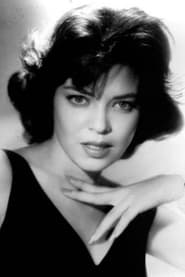
Linda Lawson
Actor
Born: January 14, 1936 in Iowa, United States Died: May 18, 2022 Active: 1961-1965
Films
1 film
About Linda Lawson
American actress best known for her haunting performance in the 1961 cult classic film Night Tide, where she portrayed the mysterious Mora, a woman who may or may not be a mermaid. Born in Iowa in 1936, Lawson entered the entertainment industry during the early 1960s, a transitional period when Hollywood's studio system was declining and independent films were gaining prominence. Her ethereal beauty and ability to convey ambiguity made her perfectly suited for the atmospheric horror genre, as demonstrated in her most memorable role. Though her film career was relatively brief, spanning primarily the early to mid-1960s, she made a lasting impression with her minimalist yet powerful performance style. After her acting career, Lawson largely stepped away from the entertainment industry, maintaining a private life away from the public eye. Her legacy remains tied to her singular, unforgettable performance in Night Tide, a film that has gained significant appreciation over the decades as an example of atmospheric, independent horror cinema.
The Craft
On Screen
Linda Lawson's acting style was characterized by its subtlety, mystery, and emotional ambiguity. She possessed a natural, understated quality that allowed her to convey complex emotions with minimal dialogue, relying instead on subtle facial expressions and body language. Her performance in Night Tide exemplified her ability to maintain an unsettling balance between vulnerability and potential menace, creating an ethereal presence that significantly contributed to the film's atmospheric quality. Critics and film scholars have noted her minimalist approach to acting, which proved particularly effective in psychological horror where suggestion often proves more powerful than explicit emotion.
Milestones
- Starred as Mora in the cult classic Night Tide (1961)
- Appeared in popular television series including Perry Mason and The Andy Griffith Show
- Worked with director Curtis Harrington on her most notable film role
- Married renowned jazz composer Johnny Mandel during her career
Best Known For
Iconic Roles
Must-See Films
Working Relationships
Worked Often With
Studios
Why They Matter
Impact on Culture
Linda Lawson's cultural impact is primarily tied to her performance in Night Tide, which has gained significant cult status over the decades. Her portrayal of the mysterious Mora contributed substantially to the film's enduring appeal as an atmospheric example of early 1960s psychological horror. Though her career was brief, her performance has been analyzed in film studies as an example of effective minimalist acting in the horror genre. The character she embodied has become an iconic figure in cult cinema, representing the archetype of the mysterious, potentially supernatural woman who entrances and potentially endangers the male protagonist. Her work in Night Tide has influenced discussions about gender roles and representation in horror films of the era, particularly regarding the portrayal of women as both objects of desire and sources of danger.
Lasting Legacy
Linda Lawson's legacy in film history is defined by her singular, memorable performance in Night Tide, which has secured her place in cult cinema history despite her brief career. Her contribution to atmospheric horror cinema continues to be recognized by film enthusiasts and scholars who study the evolution of independent American film. Her performance exemplifies how a single role can create a lasting impact, even without a lengthy filmography or major awards recognition. Night Tide's growing reputation as a cult classic has ensured that Lawson's work continues to be discovered and appreciated by new generations of film viewers. Her ability to convey mystery and ambiguity through subtle performance techniques has been noted as an example of effective acting in low-budget, atmospheric cinema that relies on performance rather than production values to create psychological impact.
Who They Inspired
While Linda Lawson's direct influence on other actors is difficult to trace due to her brief career, her performance in Night Tide has been cited as an example of effective minimalist acting in psychological horror films. Her portrayal of an enigmatic, potentially supernatural character has served as a reference point for similar characters in subsequent horror and thriller films. The atmospheric quality she brought to her role has influenced discussions about the importance of performance style in creating mood and tension in cinema, particularly in the horror genre. Film scholars analyzing Night Tide often highlight her contribution to the film's effectiveness as an example of how acting can enhance the psychological impact of a narrative without relying on overt dramatic techniques or elaborate special effects.
Off Screen
Linda Lawson maintained a relatively private personal life throughout and after her brief acting career. She was married to acclaimed jazz musician and composer Johnny Mandel from 1964 until their divorce in 1971. Mandel was a highly respected figure in the music industry who won an Academy Award for his song 'The Shadow of Your Smile' and composed numerous film scores and jazz standards. Following her divorce and the end of her acting career, Lawson largely withdrew from public life and the entertainment industry. She spent her later years away from the spotlight, with little public information available about her activities during this time. Her death in May 2022 was noted by film enthusiasts who remembered her memorable performance in Night Tide.
Education
Limited information is available about Linda Lawson's educational background, though she likely received some formal training in acting to prepare for her film and television roles in the early 1960s.
Family
- Johnny Mandel (1964-1971)
Did You Know?
- Night Tide was Linda Lawson's most significant film role and remains her best-known work
- She was married to renowned jazz composer Johnny Mandel, who won an Oscar for his song 'The Shadow of Your Smile'
- Night Tide was one of Dennis Hopper's early leading roles before his breakthrough in Easy Rider
- The film was directed by Curtis Harrington, who was known for his work in horror and experimental cinema
- Despite her brief career, Lawson's performance in Night Tide has been analyzed in film studies for its effectiveness in creating ambiguity
- Night Tide was filmed on a very low budget, which required actors to rely heavily on their performance skills rather than production values
- The character Lawson portrayed in Night Tide has been compared to mythological sirens who lure men to their doom
- After her acting career ended, Lawson largely disappeared from public life, maintaining her privacy for over five decades
- Night Tide has gained a cult following over the years, bringing renewed attention to Lawson's performance
- The film's atmospheric quality was significantly enhanced by Lawson's ability to convey mystery through minimal dialogue
- Lawson appeared in several popular television series of the early 1960s including Perry Mason and The Andy Griffith Show
- Her performance in Night Tide has been praised by horror film directors as an example of effective psychological horror acting
In Their Own Words
(As Mora in Night Tide) 'I'm a mermaid. I swim in the ocean by day and dance on the land by night.'
(As Mora in Night Tide) 'The sea calls to me. It's in my blood.'
(As Mora in Night Tide) 'When the moon is full, I have to go back to the sea.'
Frequently Asked Questions
Who was Linda Lawson?
American actress best known for her haunting performance in the 1961 cult classic film Night Tide, where she played a mysterious woman who may or may not be a mermaid. Her career was relatively brief, spanning primarily the early 1960s, but she made a lasting impression with her atmospheric performance in what has become a cult favorite among horror film enthusiasts.
What films is Linda Lawson best known for?
Titles linked here include Night Tide (1961).
When was Linda Lawson born and when did she die?
Born January 14, 1936; died May 18, 2022.
What awards did Linda Lawson win?
There are no records of Linda Lawson receiving major acting awards or nominations during her brief career. Her recognition has come primarily from cult film enthusiasts who appreciate her performance in Night Tide and film scholars who study atmospheric horror cinema of the early 1960s.
What was Linda Lawson's acting style?
Linda Lawson's acting style was characterized by subtlety and an ability to create mystery and ambiguity. In Night Tide, she conveyed complex emotions with minimal dialogue, relying on facial expressions and body language to create an ethereal, unsettling presence that was crucial to the film's atmospheric quality and psychological impact.
Was Linda Lawson married to anyone famous?
Yes, Linda Lawson was married to renowned jazz composer Johnny Mandel from 1964 to 1971. Mandel was a highly respected musician who won an Academy Award for his song 'The Shadow of Your Smile' and composed numerous film scores and jazz standards, including the theme for M*A*S*H.
Why did Linda Lawson's acting career end so quickly?
The exact reasons for Linda Lawson's departure from acting are not well documented, but it appears she chose to step away from the entertainment industry after her divorce from Johnny Mandel in 1971. She maintained a private life away from the public eye for the remainder of her years, rarely giving interviews or making public appearances.
What is Night Tide about and why is it considered a cult classic?
Night Tide is a psychological horror film about a sailor (played by Dennis Hopper) who falls in love with a mysterious carnival worker (Linda Lawson) who may be a mermaid responsible for several deaths. It has become a cult classic due to its atmospheric direction, ambiguous storytelling, and Lawson's haunting performance, all achieved on a minimal budget. The film exemplifies early 1960s independent horror cinema and has gained appreciation over decades for its psychological subtlety rather than explicit scares.