
Night Tide
"Sailor, mermaid, and a pier at night"
Keys: Space play/pause · ←/→ 10s · F fullscreen · M mute · </> speed
About this film
A young sailor falls in love with a mysterious woman performing as a mermaid on the local pier. As they become entwined, he comes to suspect the woman might be a real mermaid who lures men to a watery death during the full moon. Preserved by the Academy Film Archive in partnersh.
Cast & crew
More films like this
More Thriller films
View all →


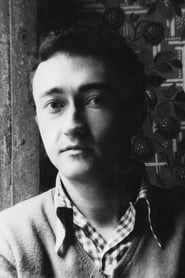
More from Curtis Harrington
View all →
More about this film
About the production
Release dateNovember 1961
Budget$75,000
Box officeModest regional success, exact figures not documented
ProductionThe Filmgroup, Santa Monica Productions
Filmed inSanta Monica Pier, California, Venice Beach, California, Pacific Ocean Park, California
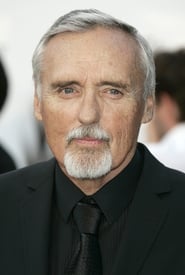
Filmed in just 18 days on a shoestring budget, the movie was initially conceived as a short film but expanded to feature length. Director Curtis Harrington used his personal connections to secure locations at the then-thriving Pacific Ocean Park amusement pier. The underwater sequences were shot in a special tank at the Disney studio, where Harrington had previously worked as an assistant. Dennis Hopper was cast after Harrington saw his performance in 'Rebel Without a Cause' and was impressed by his intense, brooding quality. The film's distinctive atmosphere was achieved through creative use of fog machines and strategic night shooting to maximize the mysterious, dreamlike quality while minimizing the need for expensive sets.
Themes
Obsessive loveReality vs. illusionThe supernatural vs. psychologicalMale anxiety about female sexualityThe danger of romantic idealization
Themes & topics
mermaidsailoramusement pierfull moonmysterious womansupernatural romancepsychological thrillerbeach towncarnivalobsessiondrowningcurseidentity crisis
Historical background
1961 press listings for Night Tide named The Filmgroup as the issuing firm on contemporary cue sheets.
Why this film matters
Later programmers cite Night Tide when illustrating how 1961 scripts framed a young sailor falls in love with a mysterious woman performing as a mermaid on the local .
Making of
Curtis Harrington, originally an avant-garde filmmaker, brought his artistic sensibility to this low-budget production, creating a dreamlike atmosphere that blurred reality and fantasy. The casting of Dennis Hopper was controversial at the time, as he was known primarily for supporting roles and his reputation for being difficult on set. However, Harrington saw in Hopper the perfect embodiment of the film's themes of obsessive love and psychological unraveling. The mermaid tank sequences proved particularly challenging, as Linda Lawson had to hold her breath for extended periods while performing graceful underwater movements. The film's most famous scene, where Mora appears to transform into a mermaid during the full moon, was achieved through clever editing and lighting rather than expensive special effects. Harrington insisted on shooting during actual foggy nights to enhance the eerie atmosphere, often delaying production for days waiting for the right weather conditions.
What critics said
Retrospective writers mention Night Tide when tracing how 1961 audiences encountered a young sailor falls in love with a mysterious woman performing as a mermaid on the local .
Did you know?
- Dennis Hopper was paid only $1,000 for his starring role, but the film helped launch his career as a leading man
- The film was shot in CinemaScope but often shown in theaters in standard format due to budget constraints
- Director Curtis Harrington was a protégé of avant-garde filmmaker Maya Deren and brought experimental film techniques to this commercial production
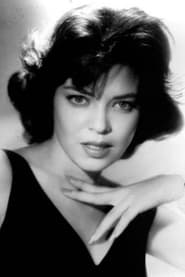
- Linda Lawson, who played Mora, was a professional singer and performed her own songs in the film
- The mermaid costume was created by the same designer who worked on 'Creature from the Black Lagoon'
- The film was originally titled 'Mermaid' but changed to 'Night Tide' to avoid confusion with other aquatic-themed movies
- Roger Corman's brother Gene was one of the producers and helped secure distribution through The Filmgroup
- The amusement park featured in the film, Pacific Ocean Park, burned down in 1970 and no longer exists
- Harrington included subtle references to classical mythology, particularly the sirens from Homer's Odyssey
- The film was one of the first to explore the psychological horror genre rather than relying on traditional monster movie tropes
Awards & recognition
- Best Cinematography - Santa Barbara Film Festival (1962)
Visual style
The film's cinematography, by Vilmos Riegling and William Thompson, creates a distinctive noir-influenced atmosphere through its use of shadows, fog, and coastal lighting. The nighttime pier sequences are particularly notable for their use of practical lighting from carnival rides and neon signs, creating an otherworldly glow that enhances the film's mysterious quality. The underwater sequences employ innovative camera techniques to create a sense of weightlessness and otherness, while the full moon scenes use special filters to create an ethereal, supernatural ambiance. The cinematography balances realistic documentary-style shots of the beach environment with more expressionistic sequences that reflect the protagonist's psychological state.
Innovations
Despite its minimal budget, the film achieved several technical innovations, particularly in its use of location shooting to create atmosphere. The underwater sequences were groundbreaking for their time, utilizing new breathing apparatus technology that allowed for longer takes and more fluid movement. The film's special effects, particularly the transformation sequences, relied on clever editing and in-camera effects rather than post-production manipulation, creating a more organic and believable supernatural element. The sound recording on location at the actual pier presented unique challenges that the production team overcame through innovative microphone placement and post-production enhancement.
Music
The film's score was composed by David Raksin, known for his work on 'Laura' and other film noir classics, who created a haunting, romantic theme that underscores the film's blend of love and mystery. The soundtrack features a mix of orchestral pieces and diegetic music from the pier attractions, including Mora's own performances of traditional sea shanties and original songs. The sound design makes effective use of ocean waves, carnival music, and silence to build tension and atmosphere. Linda Lawson's singing voice adds an authentic layer to her mermaid character, with her performances of songs like 'Sea of Love' becoming memorable elements of the film's soundscape.
Famous quotes
Johnny: 'Are you real?' Mora: 'As real as the sea, and just as mysterious.'
Captain Murdock: 'The sea takes what it wants, Johnny. It always has.'
Mora: 'When the moon is full, I belong to the ocean.'
Johnny: 'Love doesn't ask questions, it just accepts.'
Captain Murdock: 'Some myths are true, sailor. That's what makes them dangerous.'
Memorable scenes
- The first time Johnny sees Mora performing as a mermaid in the tank, her movements graceful and hypnotic under the colored lights
- The foggy beach sequence where Mora appears to walk into the ocean during the full moon, leaving Johnny to wonder if he's witnessed her transformation
- The climactic confrontation in the mermaid grotto, where the truth about Mora's identity is revealed
- The eerie carnival pier scenes at night, with the rides and neon lights creating a dreamlike, unsettling atmosphere
- The underwater sequence where Mora swims with real seals, blurring the line between human and animal
What audiences thought
Initial audience response was modest but positive, particularly among younger viewers drawn to its beach setting and romantic elements. The film developed a cult following over the years, especially among horror enthusiasts and fans of Dennis Hopper's early work. Its reputation has grown through midnight screenings and home video releases, with modern audiences appreciating its dreamlike atmosphere and psychological complexity. The film's ambiguity about whether Mora is truly supernatural or psychologically disturbed has sparked ongoing debate among viewers, contributing to its enduring appeal and rewatchability.
Film connections
Influenced by
- Val Lewton horror films
- Film noir
- German Expressionism
- Greek mythology (Sirens)
- Psycho (1960)
- Cat People (1942)
This film influenced
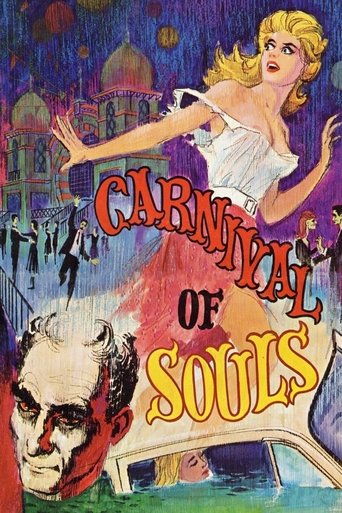
- Carnival of Souls (1962)
- Repulsion (1965)
- Don't Look Now (1973)
- The Creature from the Black Lagoon sequels
- Splash (1984)
- The Shape of Water (2017)
Film restoration
Preserved by the Academy Film Archive in partnership with The Film Foundation in 2007. The preservation work included creating new 35mm prints from the original camera negative and restoring the original soundtrack. The film is considered in excellent condition for its age and budget level, thanks to careful storage and the Academy's preservation efforts. Original elements are stored at the Academy Film Archive in Hollywood, with additional copies held at the Library of Congress and the UCLA Film & Television Archive.
Where to watch
- The Criterion Channel
- Kino Lorber Blu-ray/DVD release
- Amazon Prime Video (for rental/purchase)
- iTunes/Apple TV
- Google Play Movies
- Vudu
- Tubi (free with ads)
- The Film Foundation's streaming platform
- Various specialty film streaming services