
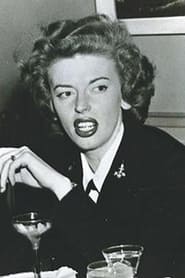
Marjorie Cameron
Actor
Born: April 23, 1922 in Belle Plaine, Iowa, USA Died: July 24, 1995 Active: 1961-1987 Birth Name: Marjorie Elizabeth Cameron Parsons Kimmel
Films
1 film
About Marjorie Cameron
Marjorie Cameron Parsons Kimmel, known professionally as Cameron, was an American artist, occultist, and actress whose brief film career belied her significant influence on underground culture and esoteric movements. Born in Iowa in 1922, she served in the U.S. Navy during World War II before moving to California, where she met and married rocket scientist and occultist Jack Parsons. After Parsons' death in 1952, she became increasingly involved in Thelema and other occult practices, developing a reputation as a powerful witch and spiritual figure. Her most notable film appearance was in Curtis Harrington's atmospheric horror film 'Night Tide' (1961), where she played a mysterious woman believed to be a mermaid. Beyond this single mainstream film role, she appeared in several experimental and underground films, often drawing on her occult persona and striking appearance. Cameron's artistic work, including paintings and drawings, frequently explored mystical and mythological themes. She remained an influential figure in Los Angeles counter-culture until her death in 1995, leaving a legacy that bridged art, occultism, and avant-garde cinema.
The Craft
On Screen
Cameron's acting style was ethereal and mysterious, characterized by a hypnotic presence that drew upon her real-life occult practices and striking appearance. Her performances were minimal yet powerful, often conveying otherworldly qualities through subtle gestures and intense gazes rather than conventional dramatic techniques. She brought authenticity to supernatural roles through her genuine involvement in esoteric practices.
Milestones
- Starred in 'Night Tide' (1961)
- Featured in Kenneth Anger's 'Inauguration of the Pleasure Dome' (1954)
- Became prominent figure in Thelema and occult circles
- Developed significant body of mystical artwork
- Influenced Los Angeles counter-culture movement
Best Known For
Iconic Roles
Must-See Films
Accolades
Special Recognition
- Featured in multiple exhibitions of occult and outsider art
- Subject of documentary films exploring esoteric movements
Working Relationships
Worked Often With
Why They Matter
Impact on Culture
Cameron's impact on cinema was primarily through her influence on underground and experimental film rather than mainstream Hollywood. Her appearance in 'Night Tide' brought a genuine occult presence to horror cinema, predating the more commercialized occult films of the 1970s. She represented a bridge between the Golden Age of Hollywood's occult undercurrents and the counter-culture explosion of the 1960s. Her work with Kenneth Anger helped establish the visual language of American avant-garde cinema, particularly in its exploration of esoteric themes. Cameron's authenticity as a practicing occultist brought credibility to supernatural elements in film that other actors could not achieve.
Lasting Legacy
Cameron's legacy extends far beyond her brief film career into the realms of art, occultism, and counter-culture history. She is remembered as. Her artwork has been exhibited in major museums and galleries, recognized for its powerful mystical symbolism. Film scholars consider her a figure in the representation of authentic occult practice in cinema. The biography 'Strange Angel' and its television adaptation brought renewed attention to her life and influence. She remains an iconic figure for those interested in the intersection of art, spirituality, and underground culture.
Who They Inspired
Cameron influenced subsequent generations of filmmakers interested in authentic occult representation, particularly in the horror and avant-garde genres. Her approach to incorporating genuine spiritual practice into artistic performance influenced experimental filmmakers like Kenneth Anger and later figures in the psychedelic cinema movement. Her visual aesthetic and mystical persona influenced the development of gothic and occult subcultures. Artists interested in esoteric themes continue to draw inspiration from her paintings and her integration of magical practice with creative expression.
Off Screen
Cameron's personal life was deeply intertwined with her spiritual and artistic pursuits. She married Jack Parsons, a prominent rocket scientist and occultist, in 1946, remaining with him until his tragic death in 1952. Their relationship was both romantic and magical, with Parsons believing Cameron to be his 'scarlet woman' in Thelemic rituals. After Parsons' death, she briefly married Sherif Kimmel but continued to identify primarily as Cameron. She had no children but considered many in the occult community her spiritual family. Her home in Los Angeles became a gathering place for artists, occultists, and counter-culture figures throughout the 1960s and 1970s.
Education
Attended public schools in Iowa; no formal higher education; self-taught in art and occult studies
Family
- Jack Parsons (1946-1952)
- Sherif Kimmel (1955-1960s)
Did You Know?
- Was a practicing witch and follower of Thelema, an esoteric religion developed by Aleister Crowley
- Her husband Jack Parsons was a co-founder of the Jet Propulsion Laboratory and a prominent occultist
- Appeared on the cover of the first issue of 'The L.A. Free Press' in 1964
- Was a central figure in the Babalon Working ritual,
- Her artwork has been exhibited at major institutions including the Museum of Contemporary Art, Los Angeles
- Was friends with and influenced numerous counter-culture figures including Anton LaVey and members of the Process Church
- Served as a WAVE (Women Accepted for Volunteer Emergency Service) in the U.S. Navy during WWII
- Her life story was fictionalized in the novel 'Strange Angel' by George Pendle and later adapted into a TV series
- Was known for her striking red hair and intense gaze, which made her memorable in her rare film appearances
- Lived for many years in the same Los Angeles building where other counter-culture figures resided
In Their Own Words
I am not an actress. I am a witch who appears in films.
Magic is real, and I have seen things that would make your hair stand on end.
The scarlet woman is not evil, she is the embodiment of divine feminine power.
Art and magic are the same thing - the will to create reality.
I don't play roles, I manifest realities.
Frequently Asked Questions
Who was Marjorie Cameron?
Marjorie Cameron, known simply as Cameron, was an American artist, occultist, and actress best known for her role in 'Night Tide' (1961). She was a prominent figure in Thelema and Los Angeles counter-culture, married to rocket scientist Jack Parsons. Beyond her brief film career, she was influential in esoteric circles and created significant mystical artwork.
What films is Marjorie Cameron best known for?
Titles linked here include Night Tide (1961), Inauguration of the Pleasure Dome (1954).
When was Marjorie Cameron born and when did she die?
Born April 23, 1922; died July 24, 1995.
What awards did Marjorie Cameron win?
Marjorie Cameron did not receive any traditional film industry awards or nominations. Her recognition came primarily from artistic and occult communities, with her work being exhibited in museums and galleries. She has been the subject of documentaries and scholarly attention for her influence on counter-culture and esoteric movements.
What was Marjorie Cameron's acting style?
Cameron's acting style was ethereal and minimalist, characterized by her authentic mystical presence rather than conventional dramatic techniques. She brought genuine occult experience to her supernatural roles, creating an otherworldly atmosphere through subtle gestures and intense gazes. Her performances were noted for their hypnotic quality and spiritual authenticity.