
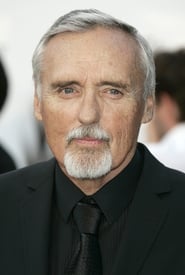
Dennis Hopper
Actor
Born: May 17, 1936 in Dodge City, Kansas, USA Died: May 29, 2010 Active: 1954-2010 Birth Name: Dennis Lee Hopper
Films
1 film
About Dennis Hopper
Dennis Hopper was born in Dodge City, Kansas, and began his acting career as a teenager, making his film debut in 'Rebel Without a Cause' (1955) alongside James Dean. His early career saw him cast as a troubled youth in various films, including 'Giant' (1956) and 'Night Tide' (1961), where he played a sailor investigating a mysterious woman who may be a mermaid. After struggling with substance abuse and being blacklisted by Hollywood studios, Hopper experienced a career resurgence with the counterculture masterpiece 'Easy Rider' (1969), which he co-wrote, directed, and starred in. The 1970s and 1980s were marked by personal struggles and fewer prominent roles, but he made a remarkable comeback in the 1980s with acclaimed performances in films like 'Blue Velvet' (1986) and 'Hoosiers' (1986), earning an Academy Award nomination for the latter. Hopper continued working prolifically as both actor and director until his death in 2010, leaving behind a legacy as one of Hollywood's most rebellious and influential figures.
The Craft
On Screen
Hopper was known for his intense, method acting approach and ability to portray complex, often volatile characters. His performances were characterized by a raw energy and unpredictability that made him perfect for counterculture and outsider roles. He had a distinctive delivery style that could range from quietly menacing to explosively emotional, often bringing a sense of danger and authenticity to his characters.
Milestones
- Film debut in 'Rebel Without a Cause' (1955)
- Breakthrough role in 'Easy Rider' (1969) as co-writer, director, and star
- Academy Award nomination for 'Hoosiers' (1986)
- performance in 'Blue Velvet' (1986)
- Directorial work on 'Colors' (1988) and 'Speed' (1994)
- Recognition as a photographer and artist
- Hollywood Walk of Fame star (2010)
Best Known For
Iconic Roles
Must-See Films
Accolades
Won
- Academy Award nomination for Best Supporting Actor - Hoosiers (1986)
- Golden Globe nomination for Best Supporting Actor - Hoosiers (1986)
- Independent Spirit Award for Best Supporting Male - Blue Velvet (1986)
- Cannes Film Festival Best Director Award - Easy Rider (1969)
- National Society of Film Critics Award for Best Supporting Actor - Blue Velvet (1986)
Nominated
- Academy Award nomination for Best Original Screenplay - Easy Rider (1969)
- BAFTA nomination for Most Promising Newcomer - Rebel Without a Cause (1955)
- Golden Globe nomination for Best Director - Easy Rider (1969)
- Directors Guild of America Award nomination - Easy Rider (1969)
- Writers Guild of America Award nomination - Easy Rider (1969)
Special Recognition
- Hollywood Walk of Fame star (2010)
- San Diego Film Festival Lifetime Achievement Award (2008)
- Camerimage Film Festival Lifetime Achievement Award (2008)
- American Film Institute recognition for Easy Rider in AFI's 100 Years.100 Movies
- Inducted into the Kansas Hall of Fame (2006)
Working Relationships
Worked Often With
Studios
Why They Matter
Impact on Culture
Dennis Hopper became an icon of American counterculture through his work in 'Easy Rider,' which captured the spirit of the 1960s youth rebellion and changed Hollywood filmmaking. His portrayal of disillusioned, rebellious characters resonated with audiences seeking alternatives to traditional Hollywood narratives. As a photographer, he documented the 1960s art and music scenes, creating an important visual record of the era. His comeback in the 1980s demonstrated the possibility of personal and professional redemption, inspiring others struggling with addiction.
Lasting Legacy
Dennis Hopper's legacy encompasses his contributions as an actor, director, photographer, and artist who consistently pushed boundaries and challenged conventions. 'Easy Rider' remains. His intense, transformative performances in films like 'Blue Velvet' and 'Hoosiers' showcased his remarkable range and depth as an actor. Beyond his film work, Hopper's photography and art have been recognized for their artistic merit, establishing him as a multi-talented creative force who embodied the spirit of American artistic rebellion.
Who They Inspired
Hopper influenced generations of actors and directors with his method approach and willingness to take risks. His success as an independent filmmaker with 'Easy Rider' paved the way for future independent directors. Actors such as Johnny Depp, Sean Penn, and Christian Bale have cited Hopper's intensity and authenticity as influences. His work with directors like David Lynch and David Cronenberg helped establish the aesthetic of American independent cinema in the 1980s and 1990s.
Off Screen
Dennis Hopper led a tumultuous personal life marked by multiple marriages, battles with substance abuse, and periods of intense creativity. He was married five times and had four children. His most stable marriage was to actress Katherine LaNasa, with whom he had his youngest son. Hopper was also an accomplished photographer and painter, with his artwork being exhibited in galleries worldwide. He struggled with alcohol and drug addiction throughout much of his career, particularly during the 1970s, but overcame these issues in the 1980s.
Education
Attended Helix High School in La Mesa, California; studied at the Old Globe Theatre in San Diego; took acting classes at the Actors Studio in New York
Family
- Brooke Hayward (1961-1969)
- Michelle Phillips (1970-1970)
- Daria Halprin (1972-1976)
- Katherine LaNasa (1989-1992)
- Victoria Duffy (1996-2010)
Did You Know?
- Was roommates with James Dean while filming 'Rebel Without a Cause'
- Directed the music video for Neil Young's 'Hey Hey, My My'
- Was blacklisted by Hollywood studios for nearly a decade after 'Easy Rider'
- His photography has been exhibited in museums including the Museum of Modern Art
- Once owned and operated an art gallery in Venice, California
- Appeared in over 200 films and television shows during his career
- Was a close friend of artist Andy Warhol and appeared in some of his films
- His daughter Marin is married to actor Chris Pine
- Was a licensed pilot and owned several vintage airplanes
- His last film was 'The Last Film Festival' (2010), released posthumously
In Their Own Words
They've given me the designation of being a 'rebel.' That's not quite accurate. I'm a nonconformist.
I was a rebel. I was a wild man. I was crazy. I was out of control.
The only thing I'm addicted to is winning.
I'm not a character actor. I'm a leading man who does character parts.
You can't be a rebel if you don't have something to rebel against.
Frequently Asked Questions
Who was Dennis Hopper?
American actor, on YTB.my. He is best known for directing and starring in 'Easy Rider' (1969) and for his intense performances in films like 'Blue Velvet' and 'Hoosiers'.
What films is Dennis Hopper best known for?
Titles linked here include Easy Rider (1969), Blue Velvet (1986).
When was Dennis Hopper born and when did he die?
Born May 17, 1936; died May 29, 2010.
What awards did Dennis Hopper win?
Hopper received an Academy Award nomination for Best Supporting Actor for 'Hoosiers' (1986) and won the Cannes Film Festival Best Director Award for 'Easy Rider' (1969). He also received numerous other nominations and honors throughout his career.
What was Dennis Hopper's acting style?
Hopper was known for his intense, method acting approach and ability to portray volatile, complex characters. His performances featured raw energy and unpredictability, making him perfect for counterculture and outsider roles.
How did Dennis Hopper influence cinema?
Hopper's 'Easy Rider' revolutionized Hollywood filmmaking and helped launch the New Hollywood era of the 1970s. His success as an independent filmmaker paved the way for future independent directors, and his intense acting style influenced generations of performers.
What was Dennis Hopper's relationship with James Dean?
Hopper — close friend and roommate of James Dean while filming 'Rebel Without a Cause' (1955). Dean became a major influence on Hopper's career and acting style, and Hopper often spoke of Dean's impact on his life.
Was Dennis Hopper only an actor?
No, Hopper — multi-talented artist who worked as an actor, director, screenwriter, photographer, and painter. His photography has been exhibited in major museums, and he directed several acclaimed films beyond 'Easy Rider'.