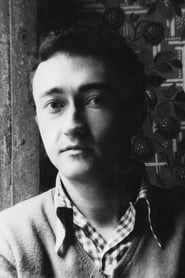
Curtis Harrington
Director
Born: September 17, 1926 in Los Angeles, California, USA Died: May 6, 2007 Active: 1940s-2000s
Films
2 films

About Curtis Harrington
American film director, screenwriter, producer, and actor: career bridged avant-garde cinema, Hollywood horror, and independent features. Born in 1926, he came of age in Southern California and became an important figure in postwar experimental film culture, particularly through his early association with Kenneth Anger and the West Coast underground. Harrington first gained attention for his short films and stylistically adventurous work, then moved into features where he developed a reputation for elegant atmosphere, psychological unease, and a queer sensibility that often surfaced beneath the surface of his genre filmmaking. His feature debut, Night Tide, is now widely regarded as a cult classic for its poetic mood and offbeat romance, while later films such as Games, Who Slew Auntie Roo?, and The Killing Kind helped cement his status as a distinctive horror and suspense director. He also worked extensively in television, directing episodes of popular series and movies for TV, which broadened his professional reach beyond cult cinema. Harrington remained active for decades, and his work is now especially valued for its sophisticated visual style, dreamlike tone, and intersection of art cinema with commercial filmmaking. He died in 2007, leaving behind a body of work that has become increasingly appreciated by scholars and genre fans alike.
The Craft
Behind the Camera
Harrington's directing style combined lush visual composition, dreamlike pacing, psychological ambiguity, and a strong attraction to uncanny or taboo subject matter. He often favored atmosphere over overt explanation, allowing mood, symbolic imagery, and performance nuance to carry emotional weight. Even in more commercial assignments, his films frequently retained an artful, slightly dislocated quality that set them apart from standard studio genre fare. Critics and historians often note his sensitivity to outsiders, misfits, and repressed desire, as well as his ability to turn modest budgets into visually memorable works.
Milestones
- Began as an experimental filmmaker and became part of the postwar American avant-garde film scene
- Made his feature-film debut with Night Tide (1961), now considered a cult classic
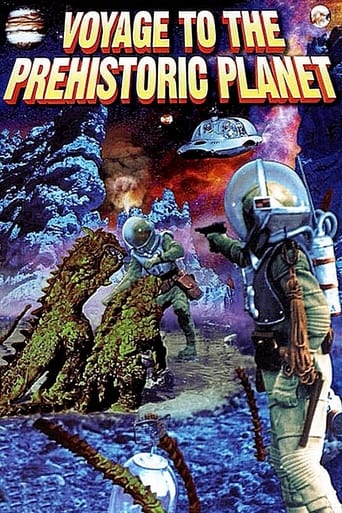
- Directed the science-fiction feature Voyage to the Prehistoric Planet (1965)
- Expanded into psychological thriller and gothic horror with films such as Games and Who Slew Auntie Roo?
- Worked successfully in television as a director, bringing his cinematic style to episodic drama
- Built a reputation as one of the key queer-identified voices in American underground and genre cinema
Best Known For
Iconic Roles
Must-See Films
Accolades
Won
- No major competitive industry awards are widely documented as central to his career
Nominated
- No major award nominations are widely documented in standard references
Special Recognition
- Recognized posthumously as a significant figure in American underground, cult, and queer cinema
- Included in retrospectives and scholarly studies of experimental and horror cinema
Working Relationships
Worked Often With
Studios
Why They Matter
Impact on Culture
Curtis Harrington helped define a bridge between American avant-garde filmmaking and mainstream genre entertainment, proving that a director with underground roots could bring a sophisticated visual and thematic sensibility into horror, science fiction, and television. His films often treated outsiders, desire, and alienation with unusual sympathy, which gave them a resonance that extended far beyond their original exploitation or low-budget contexts. Night Tide in particular has become a touchstone for cult-cinema audiences because of its haunting tone and its reimagining of mermaid mythology through a melancholic, urban, and psychologically charged lens. Harrington's work also matters historically because it reflects a queer artistic perspective at a time when such perspectives were often indirect or coded in commercial film. His career demonstrates how stylistic boldness could survive within the constraints of low-budget production and episodic television, making him a model for later independent and genre filmmakers.
Lasting Legacy
Harrington's legacy rests on his ability to fuse experimental aesthetics with accessible storytelling, creating films that are both emotionally elusive and visually distinctive. He is now regarded as one of the essential figures in American cult cinema, especially for viewers interested in the overlap between horror, camp, queer identity, and modernist art film. Scholarly reassessment has increasingly emphasized his importance as a filmmaker who worked on the margins while still shaping the look and feel of several memorable genre entries. His films continue to be screened in retrospectives and restored for new audiences, reinforcing his place in film history as a distinctive and underappreciated stylist. Harrington's career also stands as evidence that the American independent scene produced directors whose influence reached beyond box-office success and into the language of cinematic mood, identity, and atmosphere.
Who They Inspired
Harrington influenced later cult and horror filmmakers through his emphasis on visual poetry, ambiguous desire, and an unsettling blend of beauty and dread. Directors interested in queer subtext, atmospheric horror, and the artistic possibilities of low-budget filmmaking have often been drawn to his work as an example of how style can create lasting power even in commercially modest films. His transition from avant-garde shorts to features and television also offered a template for filmmakers seeking to move between experimental and mainstream forms without surrendering a personal voice. In addition, his films have been important to critics and historians exploring how coded LGBTQ themes entered mid-century American cinema. His reputation has grown most strongly among cinephiles, scholars of queer film, and historians of cult and horror cinema.
Off Screen
Curtis Harrington's personal life is often discussed in relation to his place within queer culture and underground filmmaking circles, though he generally kept the most intimate details of his private life out of mainstream publicity. He was associated with a number of artists, filmmakers, and cultural figures in Los Angeles and New York, particularly within the avant-garde and countercultural communities. Like many filmmakers of his generation working outside the studio system, he built his career through friendships, collaborations, and a flexible move between experimental shorts, theatrical features, and television assignments. Publicly available biographical sources focus more on his artistic development and professional networks than on marriages or children. Reliable documentation of spouses or children is limited or unavailable in standard film references.
Education
He was educated in Southern California; beyond that, detailed formal academic credentials are not consistently documented in standard film references. His artistic education is more clearly traced through involvement with film clubs, experimental film circles, and self-directed filmmaking practice.
Did You Know?
- Harrington began his career in experimental film before moving into features and television.
- Night Tide is often cited as.
- He was associated with Kenneth Anger and the American underground film movement.
- His work frequently explored outsiders, alienation, and repressed desire.
- He directed both theatrical features and television episodes, showing unusual versatility.
- His films have become especially important in queer film history and cult-cinema studies.
- He was active in Los Angeles film culture but worked nationally in film and television.
Frequently Asked Questions
Who was Curtis Harrington?
American on YTB.my. He emerged from the postwar avant-garde scene and later made a name for himself with atmospheric features such as Night Tide.
What films is Curtis Harrington best known for?
Titles linked here include Night Tide (1961), Voyage to the Prehistoric Planet (1965).
When was Curtis Harrington born and when did he die?
Born September 17, 1926; died May 6, 2007.
What awards did Curtis Harrington win?
No major competitive awards are widely documented as defining his career in the way studio-era Oscar winners are usually recorded. His recognition came more through critical reassessment, cult followings, retrospectives, and his growing reputation in avant-garde, horror, and queer film history.
What was Curtis Harrington's directing style?
His directing style was atmospheric, psychologically suggestive, and highly visual, with a strong preference for mood over exposition. He often blended art-film sensibilities with genre material, creating films that feel dreamlike, melancholic, and quietly unsettling.
Why is Curtis Harrington important in film history?
He is important because he helped connect American experimental cinema to commercial horror and television without losing his personal style. His work also holds a special place in queer film history and cult-cinema scholarship for its themes of outsiderhood, desire, and ambiguity.