
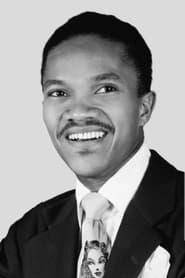
Harold Nicholas
Actor
Born: March 27, 1921 in Mobile, Alabama, USA Died: July 3, 2000 Active: 1932-2000 Birth Name: Harold Lloyd Nicholas
Films
1 film
About Harold Nicholas
Harold Nicholas was one half of the Nicholas Brothers dance duo, alongside his older brother Fayard. Born into a musical family, Harold began performing at an exceptionally young age, making his stage debut at just 5 years old. The brothers developed a unique style of acrobatic tap dancing that combined incredible athleticism with grace and precision, becoming dance acts of the 20th century. Harold's over six decades, during which he appeared in numerous Hollywood films, Broadway shows, and television programs. Despite facing racial barriers in the entertainment industry, the Nicholas Brothers broke through with their extraordinary talent, performing in venues that were typically segregated. Harold continued performing well into his later years, teaching dance and inspiring new generations of performers. His contributions to dance and entertainment earned him numerous accolades and cemented his legacy as one of the greatest dancers in history.
The Craft
On Screen
Harold Nicholas was primarily known for his extraordinary dancing abilities rather than traditional acting. His screen presence was characterized by infectious joy, incredible precision, and seemingly effortless acrobatic feats. When acting, he brought a natural charm and charisma to his roles, often playing the younger, more playful counterpart to his brother Fayard. His performances were marked by impeccable timing, athletic grace, and an ability to make complex dance routines appear spontaneous and joyful.
Milestones
- Film debut in 'Pie, Pie Blackbird' (1932)
- Breakthrough performance in 'Stormy Weather' (1943) with legendary staircase dance
- Broadway debut in 'The Ziegfeld Follies of 1936'
- Received Kennedy Center Honors (1991)
- National Medal of Arts recipient (1992)
- Inducted into the International Tap Dance Hall of Fame
Best Known For
Iconic Roles
Must-See Films
Accolades
Won
- National Medal of Arts (1992)
- Kennedy Center Honors (1991)
- Dance Magazine Award (1991)
- American Dance Guild Award (1989)
Special Recognition
- Hollywood Walk of Fame Star (1994)
- International Tap Dance Hall of Fame (2002, posthumous)
- Apollo Theater Hall of Fame
- Black Filmmakers Hall of Fame
Working Relationships
Worked Often With
Studios
Why They Matter
Impact on Culture
Harold Nicholas, as part of the Nicholas Brothers, revolutionized American dance by blending tap dancing with acrobatics in ways never seen before. They broke racial barriers by being among the few African American performers allowed to perform integrated numbers in Hollywood films during the segregation era. Their performances in films like 'Stormy Weather' created some of the most iconic dance sequences in cinema history, influencing generations of dancers worldwide. Harold's technical precision and athletic grace set new standards for what was possible in dance, while his performances helped challenge racial stereotypes and paved the way for future African American entertainers.
Lasting Legacy
Harold Nicholas's legacy endures through his groundbreaking contributions to dance and film. The Nicholas Brothers' choreography and performances continue to be studied by dancers and choreographers worldwide, with their staircase dance in 'Stormy Weather' often cited as one of the greatest dance sequences ever filmed. Harold helped establish tap dancing as a legitimate art form worthy of serious artistic consideration, moving it from vaudeville to concert stages and Hollywood films. His work with his brother created a blueprint for artistic partnership and excellence that continues to inspire performers. Posthumously, he has been recognized as a figure who helped transform American entertainment and break down racial barriers in the performing arts.
Who They Inspired
Harold Nicholas influenced countless dancers and performers, including Fred Astaire, who called the Nicholas Brothers the greatest dancers he had ever seen. Their innovative combination of tap and acrobatics influenced the development of street dance, hip-hop, and contemporary dance forms. Many modern dancers, including Gregory Hines and Savion Glover, have cited Harold and the Nicholas Brothers as major influences on their work. Their performances demonstrated that African American dancers could achieve technical excellence and artistic recognition on par with any performers, influencing Hollywood's gradual acceptance of integrated casting and more substantial roles for African American performers.
Off Screen
Harold Nicholas was married three times throughout his life. His first marriage was to dancer Dorothy Dandridge from 1942 to 1949, with whom he had a daughter, Harolyn. He later married Elyssa Santos, and finally Rigmor Nicholas, who survived him. Despite his professional success, Harold faced personal challenges including financial difficulties and the pressures of being an African American performer in segregated America. He was known for his dedication to his craft and his role in breaking racial barriers in entertainment.
Education
Largely self-taught in dance, learned from watching performers at the theater where his parents worked
Family
- Dorothy Dandridge (1942-1949)
- Elyssa Santos (1950s-1960s)
- Rigmor Nicholas (1977-2000)
Did You Know?
- Harold Nicholas was only 11 years old when he and his brother made their film debut
- The Nicholas Brothers never received formal dance training - they learned by watching and practicing
- Fred Astaire considered their 'Stormy Weather' staircase dance sequence the greatest movie musical number ever filmed
- Harold could perform splits while jumping in the air and landing without using his hands
- The brothers were often called 'the greatest dancers of the 20th century' by dance critics
- They performed for royalty including Queen Elizabeth II and the King of Sweden
- Harold was a child prodigy who could tap dance before he could read
- The Nicholas Brothers were the first African American dancers to perform with a white orchestra at the Cotton Club
- Harold continued performing well into his 70s, appearing in music videos and teaching master classes
- Their dance routines were so difficult that few dancers have ever successfully replicated them
In Their Own Words
We didn't call it acrobatics. We called it dancing. It was just what we did.
Tap is not just dancing with your feet, it's dancing with your whole body.
My brother and I, we were born to dance. It was in our blood.
When you see us dance, you're seeing pure joy. That's what we wanted to give people.
We had to be twice as good to get half the recognition. That just made us work harder.
Frequently Asked Questions
Who was Harold Nicholas?
Legendary African American dancer, with credits in this catalog. They were renowned for their innovative style combining acrobatics with tap dancing, creating some of the most spectacular dance sequences in film history.
What films is Harold Nicholas best known for?
Titles linked here include Stormy Weather (1943), Sun Valley Serenade (1941).
When was Harold Nicholas born and when did he die?
Born March 27, 1921; died July 3, 2000.
What awards did Harold Nicholas win?
Harold Nicholas received numerous prestigious awards including the National Medal of Arts (1992), Kennedy Center Honors (1991), a star on the Hollywood Walk of Fame (1994), and posthumous induction into the International Tap Dance Hall of Fame (2002).
What was Harold Nicholas's dancing style?
Harold Nicholas's dancing style was characterized by extraordinary athleticism, technical precision, and seemingly effortless grace. He and his brother pioneered a unique form of acrobatic tap dancing that included spectacular jumps, splits, and intricate footwork, all performed with remarkable speed and musicality.
Did Harold Nicholas have any famous family connections?
Yes, Harold was married to actress and singer Dorothy Dandridge from 1942 to 1949, and they had one daughter together. He was also the younger brother of Fayard Nicholas, with whom he formed the legendary Nicholas Brothers dance duo.
How did Harold Nicholas influence other dancers?
Harold Nicholas influenced generations of dancers including Fred Astaire, Gregory Hines, and Savion Glover. His innovative techniques and choreography helped establish tap dancing as a serious art form and paved the way for African American performers in Hollywood, breaking racial barriers through sheer talent and artistry.