
Sergei Gurzo
Actor
Born: December 13, 1926 in Moscow, Soviet Union Died: September 20, 2000 Active: 1944-1999 Birth Name: Sergei Apollinarievich Gurzo
Films
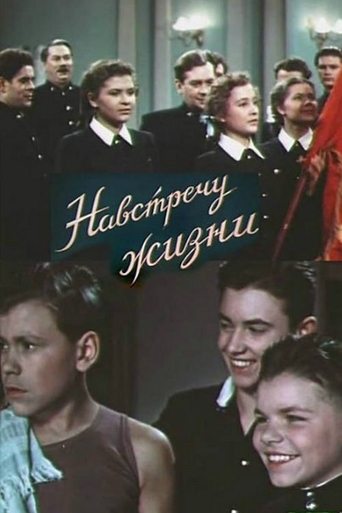
1 film
About Sergei Gurzo
Soviet Russian actor: over four decades, becoming recognizable faces of Soviet cinema. Born in Moscow in 1926, he began his acting journey during World War II, making his film debut in 1944. Gurzo rose to prominence with his breakthrough role in 'The Young Guard' (1948), where he portrayed the heroic character Sergei Tyulenin, establishing himself as a leading man in Soviet cinema. Throughout the 1950s and 1960s, he became known for his portrayals of strong, principled characters who embodied Soviet ideals of heroism and patriotism. His performance in 'Ballad of a Soldier' (1959) earned him international recognition and remains one of his most celebrated works. Gurzo continued acting well into the 1990s, appearing in over 60 films and television productions. He was honored with the title of People's Artist of the RSFSR in 1973, recognizing his significant contributions to Soviet and Russian cinema. His final years saw him transitioning to character roles while maintaining his status as a respected veteran of the Russian film industry.
The Craft
On Screen
Gurzo was known for his naturalistic yet powerful acting style, characterized by his ability to portray strong, principled characters with emotional depth and authenticity. His performances often embodied the Soviet ideal of the heroic everyman, combining rugged masculinity with sensitivity and moral conviction. He had a distinctive screen presence with his strong features and deep voice, which made him particularly effective in dramatic and war-related roles. Gurzo's technique emphasized psychological realism, bringing complexity to characters that might otherwise have been one-dimensional propaganda figures.
Milestones
- Breakthrough role in 'The Young Guard' (1948)
- Starring role in 'Cossacks of the Kuban' (1949)
- International acclaim for 'Ballad of a Soldier' (1959)
- Awarded the title of People's Artist of the RSFSR (1973)
- Over 60 film and television appearances throughout his career
Best Known For
Iconic Roles
Must-See Films
Accolades
Won
- Stalin Prize, 2nd class (1949) for 'The Young Guard'
- Order of the Red Banner of Labour (1976)
- People's Artist of the RSFSR (1973)
- Honored Artist of the RSFSR (1964)
Nominated
- State Prize of the Russian Federation nomination (1995)
Special Recognition
- People's Artist of the RSFSR
- Honored Artist of the RSFSR
- Order of the Red Banner of Labour
- Veteran of Labor medal
Working Relationships
Worked Often With
Studios
Why They Matter
Impact on Culture
Sergei Gurzo became an iconic figure in Soviet cinema, representing the ideal of the Soviet hero during the post-war period. His portrayal of young revolutionaries and soldiers helped shape the cultural memory of World War II and Soviet patriotism for generations of Soviet citizens. Through films like 'The Young Guard,' he contributed to the creation of Soviet mythologies about heroism and sacrifice. His work in internationally acclaimed films like 'Ballad of a Soldier' helped bridge cultural gaps during the Cold War, presenting human stories that transcended political boundaries. Gurzo's characters embodied the values that Soviet society sought to promote: courage, selflessness, and unwavering dedication to collective ideals.
Lasting Legacy
Sergei Gurzo's legacy endures through his extensive body of work that continues to be studied and appreciated by film historians and audiences interested in Soviet cinema. He represents a transitional generation of actors who bridged the gap between the Stalinist era and the more artistically liberal periods of Soviet filmmaking. His films remain important cultural artifacts that provide insight into Soviet society and its values. The continuation of his artistic legacy through his son, Sergei Gurzo Jr., demonstrates the lasting impact of his contributions to Russian performing arts. Film scholars often cite his performances as examples of how Soviet actors managed to bring depth and humanity to characters that could have otherwise been mere propaganda tools.
Who They Inspired
Gurzo influenced subsequent generations of Soviet and Russian actors through his naturalistic approach to dramatic roles and his ability to humanize ideological characters. His work in war films helped establish a template for portraying soldiers with emotional complexity rather than as mere symbols. Younger actors studied his technique for balancing the requirements of socialist realism with authentic emotional expression. His international success demonstrated that Soviet cinema could achieve global recognition while maintaining its distinctive cultural identity. The Gurzo acting dynasty, continued by his son, represents his lasting influence on Russian performing arts.
Off Screen
Sergei Gurzo was married twice during his lifetime. His first marriage was to actress Lyudmila Gurchenko, one of Soviet cinema's most beloved stars, though their marriage was relatively brief. He later married Tamara, with whom he had two sons. His son, Sergei Gurzo Jr., followed in his father's footsteps and became a successful actor in Russian cinema and television. Gurzo was known as a dedicated family man who maintained a relatively private personal life despite his public fame. He lived through the entire Soviet period and witnessed the transformation of Russian cinema into the post-Soviet era, adapting his career to changing political and cultural landscapes.
Education
Graduated from the Gerasimov Institute of Cinematography (VGIK) in 1948, studied under acting masters Boris Bibikov and Olga Pyzhova
Family
- Lyudmila Gurchenko (1950s)
- Tamara Gurzo (1960s-2000)
Did You Know?
- His son Sergei Gurzo Jr. Is also a famous Russian actor who has appeared in over 100 films and TV series
- Gurzo was originally considered for the lead in 'The Cranes Are Flying' (1957) but the role went to Alexei Batalov
- He served in the Soviet Army during World War II before beginning his acting career
- His performance in 'The Young Guard' was so popular that the character he portrayed became a cultural hero in the Soviet Union
- Gurzo was one of the few Soviet actors to successfully transition from being a romantic leading man to character actor as he aged
- He was known for doing many of his own stunts in action sequences, particularly in his earlier films
- Gurzo — close friend of fellow actor Innokenty Smoktunovsky and they often discussed acting techniques
- He appeared in the first Soviet color film 'The Return of Vasily Bortnikov' (1952)
- Despite his fame, he remained humble and often used public transportation in Moscow
- He was an avid chess player and often played between takes on film sets
In Their Own Words
An actor must live the truth of his character, not just play it on the surface
Cinema is not just entertainment, it's the mirror of our society's soul
Every role, big or small, is an opportunity to touch someone's heart
The best acting comes from understanding human nature, not from technique alone
In Soviet cinema, we had the responsibility to show the best of what people could be
Frequently Asked Questions
Who was Sergei Gurzo?
Prominent Soviet Russian with credits in this catalog. He was awarded the title of People's Artist of the RSFSR and became.
What films is Sergei Gurzo best known for?
Titles linked here include The Young Guard (1948), Cossacks of the Kuban (1949).
When was Sergei Gurzo born and when did he die?
Born December 13, 1926; died September 20, 2000.
What awards did Sergei Gurzo win?
Gurzo received numerous honors including the Stalin Prize (1949), the title of Honored Artist of the RSFSR (1964), People's Artist of the RSFSR (1973), and the Order of the Red Banner of Labour (1976). These awards recognized his significant contributions to Soviet cinema and culture.
What was Sergei Gurzo's acting style?
Gurzo was known for his naturalistic yet powerful acting style, specializing in portraying strong, principled characters with emotional depth. He brought psychological realism to roles that might otherwise have been one-dimensional, combining rugged masculinity with sensitivity and moral conviction in his performances.