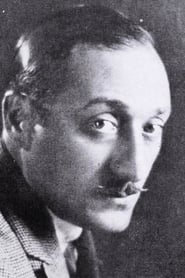
Edward Sloman
Director
Born: July 19, 1886 in London, England Died: September 29, 1972 Active: 1913-1938
Films
1 film
About Edward Sloman
Made significant contributions to silent and early sound cinema. Born in London in 1886, he began his career as an actor before transitioning to directing around 1913. Sloman directed over 100 films throughout his career, working primarily for Universal Studios but also collaborating with Paramount, Metro-Goldwyn-Mayer, and other major studios. He was known for his versatility across genres, directing everything from social dramas and melodramas to comedies and action films. His 1925 film 'His People' stands as one of his most acclaimed works, notable for its sensitive portrayal of Jewish immigrant life in America. Sloman successfully navigated the transition from silent films to talkies in the late 1920s, though his career began to wane by the mid-1930s. He continued directing through the 1930s before retiring from filmmaking, leaving behind a diverse body of work that reflected the evolving landscape of American cinema during its formative decades.
The Craft
Behind the Camera
Edward Sloman was known for his character-driven approach to filmmaking, with a particular talent for eliciting naturalistic performances from his actors. His directing style emphasized emotional authenticity and social relevance, often focusing on stories about working-class families and immigrant experiences. Sloman demonstrated a keen visual sense in his silent films, using composition and lighting to enhance narrative depth. In his talkies, he adapted well to the new medium, maintaining visual storytelling while incorporating dialogue effectively. His films often featured strong moral themes and addressed contemporary social issues, reflecting his interest in cinema as a vehicle for social commentary.
Milestones
- Directed over 100 films during his 25-year career
- Successfully transitioned from silent films to talkies
- Directed the acclaimed social drama 'His People' (1925)
- Worked with major Hollywood studios including Universal and MGM
- Pioneered early techniques in sound film production
Best Known For
Must-See Films
Accolades
Special Recognition
- Contributed to over 100 films during Hollywood's formative years
- Recognized for his work in early sound cinema
Working Relationships
Worked Often With
Studios
Why They Matter
Impact on Culture
Edward Sloman made significant contributions to early American cinema, particularly through his socially conscious storytelling and his ability to capture the immigrant experience in films like 'His People.' His work during the transition from silent to sound cinema helped establish techniques that would influence subsequent filmmakers. Sloman's focus on working-class narratives and family dramas provided an important counterpoint to the more glamorous Hollywood productions of his era. His films often addressed contemporary social issues, helping to establish cinema as a medium for social commentary and cultural reflection during the formative years of American film.
Lasting Legacy
Edward Sloman's legacy lies in his substantial body of work during Hollywood's silent and early sound era, representing the industrious nature of studio system directors who created numerous films that shaped popular culture. While not as widely remembered as some of his contemporaries, his films remain valuable historical documents that capture the social concerns and cultural values of early 20th-century America. His successful navigation of the technological transition from silent to sound cinema demonstrated adaptability that influenced other filmmakers. Sloman's work, particularly 'His People,' continues to be studied by film historians for its authentic portrayal of immigrant life and its contribution to early American social drama.
Who They Inspired
Sloman influenced subsequent generations of filmmakers through his character-driven approach and his willingness to tackle social themes in popular entertainment. His techniques for working with actors and eliciting naturalistic performances became standard practices in the studio system. His successful transition from silent to sound films provided a model for other directors facing similar technological challenges. The social consciousness evident in his work paved the way for later filmmakers who used cinema as a vehicle for addressing social issues and representing diverse American experiences.
Off Screen
Edward Sloman was born in London, England, and immigrated to the United States where he built his career in the burgeoning film industry. He became a naturalized American citizen and established himself as a respected director in Hollywood. Sloman was married twice during his lifetime. He lived in Los Angeles for most of his career and remained there until his death in 1972 at the age of 86. Despite his prolific output during his active years, Sloman lived a relatively private life away from the Hollywood spotlight.
Education
Limited formal education, largely self-taught in filmmaking through practical experience in the early film industry
Family
- First spouse (1910s-1920s)
- Second spouse (1930s-1972)
Did You Know?
- Directed over 100 films in just 25 years
- Began his career as an actor before moving behind the camera
- His film 'His People' (1925) is considered an important early depiction of Jewish-American life
- Successfully navigated the difficult transition from silent films to talkies
- Worked with virtually every major Hollywood studio during his career
- Was one of the few British directors to achieve success in early Hollywood
- His films often featured strong family themes and social commentary
- Continued directing well into the sound era when many silent film directors struggled to adapt
- Maintained a consistent output of 3-4 films per year during his peak productivity
- His work spanned multiple genres, demonstrating remarkable versatility as a director
In Their Own Words
The story is what matters most - everything else serves the narrative
In silent films, the camera must speak what the actors cannot
Transition to sound wasn't a challenge, it was simply a new tool for storytelling
Frequently Asked Questions
Who was Edward Sloman?
British-American on YTB.my. He worked for major Hollywood studios and was noted for his character-driven storytelling and social consciousness.
What films is Edward Sloman best known for?
Titles linked here include His People (1925), The Family Upstairs (1926).
When was Edward Sloman born and when did he die?
Born July 19, 1886; died September 29, 1972.
What was Edward Sloman's directing style?
Sloman's directing style emphasized character-driven narratives with emotional authenticity and social relevance. He excelled at eliciting naturalistic performances and used visual storytelling effectively in both silent and sound films, often focusing on working-class themes and immigrant experiences.
How did Edward Sloman contribute to early cinema?
Sloman contributed to early cinema through his prolific output of over 100 films, his successful transition from silent to sound movies, and his socially conscious storytelling that addressed contemporary issues. His work helped establish cinema as a medium for social commentary during Hollywood's formative years.