James Sibley Watson
Director
Born: August 10, 1894 in Rochester, New York, USA Died: July 31, 1982 Active: 1928-1930 Birth Name: James Sibley Watson Jr.
Films
1 film
About James Sibley Watson
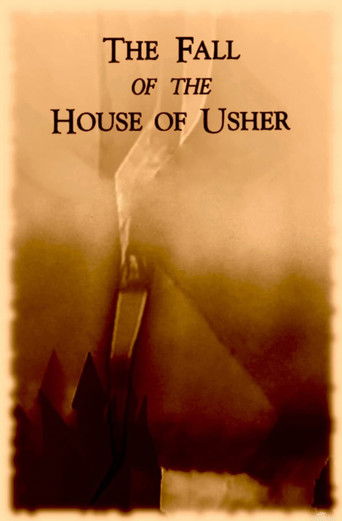
James Sibley Watson Jr. (1894-1982) was an American avant-garde filmmaker, publisher, and medical doctor who made significant contributions to experimental cinema during the silent era. Born into a wealthy Rochester, New York family, Watson inherited The Dial magazine in 1919 and transformed it into one of America's most prestigious literary journals, publishing works by T.S. Eliot, Ezra Pound, and other modernist writers. His filmmaking career, though brief, was highly influential within avant-garde circles, beginning with his collaboration with Melville Webber on 'The Fall of the House of Usher' (1928), a experimental adaptation of Edgar Allan Poe's work. He followed this with other avant-garde films including 'The Lot' (1929) and 'Tomatos for Tomorrow' (1930). Watson's films were characterized by their innovative visual techniques, psychological depth, and departure from conventional narrative structures. Despite his small filmography, his work influenced generations of experimental filmmakers. After his filmmaking period, Watson returned to his medical practice and philanthropic work, remaining a significant figure in American cultural circles until his death.
The Craft
Behind the Camera
Watson's directing style was characterized by avant-garde experimentation, incorporating innovative visual techniques such as superimposition, distorted perspectives, and symbolic imagery to create psychological depth. His approach rejected conventional narrative structures in favor of mood and atmosphere, using light and shadow to evoke emotional states. Watson's films often explored themes of madness, decay, and psychological breakdown, influenced by German Expressionism and Surrealism. His work emphasized visual poetry over linear storytelling, creating dreamlike sequences that prioritized emotional impact over plot development.
Milestones
- Directed 'The Fall of the House of Usher' (1928)
- Published The Dial magazine (1919-1929)
- Collaborated with Melville Webber on experimental films
- Pioneered avant-garde cinema techniques in America
- Contributed to modernist literature through publishing
Best Known For
Must-See Films
Accolades
Special Recognition
- Inducted into the National Film Registry (The Fall of the House of Usher, 2000)
- Recognized as a pioneer of American avant-garde cinema
Working Relationships
Worked Often With
Studios
Why They Matter
Impact on Culture
James Sibley Watson's impact on cinema was primarily through his work in American avant-garde film, helping establish experimental cinema as a legitimate artistic practice in the United States. His film 'The Fall of the House of Usher' demonstrated that American filmmakers could create sophisticated, psychologically complex works that rivaled their European counterparts. Through The Dial magazine, Watson also significantly influenced American literature by providing a platform for modernist writers and poets. His dual contributions to both film and literature made him a crucial figure in the American modernist movement of the 1920s.
Lasting Legacy
Watson's legacy endures primarily through his masterpiece 'The Fall of the House of Usher,' which remains. The film's innovative techniques and psychological depth continue to be studied by film scholars and cited as an influence by contemporary experimental filmmakers. His work at The Dial magazine preserved and promoted some of the most important literary voices of the modernist period. Watson represents the rare combination of scientific training (as a physician) and artistic innovation, demonstrating how interdisciplinary approaches can yield groundbreaking artistic results.
Who They Inspired
Watson influenced generations of experimental filmmakers through his innovative use of visual techniques and his willingness to challenge conventional narrative structures. His work prefigured many developments in avant-garde cinema, including the use of psychological symbolism and the exploration of consciousness through film. Directors such as Stan Brakhage, Maya Deren, and Kenneth Anger built upon Watson's foundation of American experimental cinema. His approach to adapting literary works through visual rather than literal interpretation influenced subsequent experimental adaptations of classic literature.
Off Screen
James Sibley Watson Jr. Was born into a prominent Rochester family and inherited both wealth and cultural responsibilities. He married Hildegarde Lasell Watson, with whom he had three children. Despite his artistic pursuits, Watson maintained a medical practice throughout his life, balancing his roles as physician, publisher, and filmmaker. His family wealth allowed him to pursue experimental projects without commercial constraints. Watson was known for his intellectual curiosity and support of modernist arts, making him a central figure in American cultural circles during the 1920s and 1930s.
Education
Harvard University (AB), University of Rochester Medical School (MD)
Family
- Hildegarde Lasell Watson (married 1916-1982)
Did You Know?
- Despite making only three films, Watson is considered a pioneer of American avant-garde cinema
- He was a practicing physician throughout his filmmaking career
- His family fortune allowed him to pursue experimental projects without commercial pressure
- The Dial magazine under his editorship published the first American appearance of T.S. Eliot's 'The Waste Land'
- Watson's films were nearly lost but were rediscovered and preserved in the 1970s
- He was a cousin of George Eastman, founder of Kodak
- Watson studied at Harvard with T.S. Eliot and E.E. Cummings
- His film 'The Fall of the House of Usher' was selected for preservation in the National Film Registry in 2000
- He stopped making films after 1930 to focus on his medical practice and family
- Watson — accomplished photographer in addition to his filmmaking
In Their Own Words
The purpose of art is not to represent the outward appearance of things, but their inward significance.
Experimental film is not entertainment; it is exploration.
The Dial exists not to reflect public taste, but to create it.
Frequently Asked Questions
Who was James Sibley Watson?
James Sibley Watson Jr. Was an American avant-garde filmmaker, publisher, and medical doctor best known for directing the experimental film 'The Fall of the House of Usher' (1928) and publishing The Dial magazine, a influential literary journal of the modernist era.
What films is James Sibley Watson best known for?
Titles linked here include The Fall of the House of Usher (1928), The Lot (1929).
When was James Sibley Watson born and when did he die?
Born August 10, 1894; died July 31, 1982.
What awards did James Sibley Watson win?
During his lifetime, Watson did not receive major film awards, but his film 'The Fall of the House of Usher' was selected for preservation in the National Film Registry in 2000, recognizing its cultural, historical, and aesthetic significance.
What was James Sibley Watson's directing style?
Watson's directing style was highly experimental and avant-garde, incorporating innovative visual techniques like superimposition and distorted perspectives to create psychological depth. He rejected conventional narrative structures in favor of mood and atmosphere, influenced by German Expressionism and Surrealism.