Films
1 film
About Melville Webber
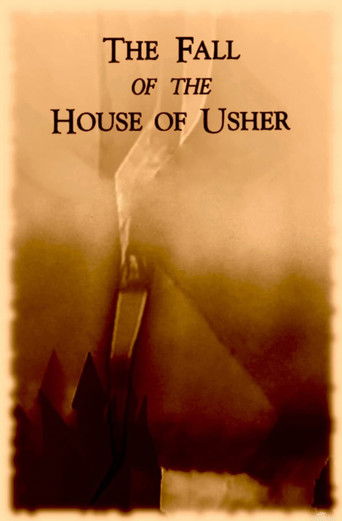
American artist, sculptor, and experimental filmmaker who emerged as a significant figure in the avant-garde film movement of the 1920s. Born in 1871, Webber initially gained recognition as a sculptor and visual artist before transitioning to filmmaking. His most notable cinematic achievement was co-directing 'The Fall of the House of Usher' (1928) with James Sibley Watson, an adaptation of Edgar Allan Poe's gothic tale that became a landmark of American experimental cinema. Webber's artistic background heavily influenced his filmmaking approach, which emphasized visual symbolism and atmospheric storytelling over conventional narrative structures. He continued his collaboration with Watson on other experimental works including 'The Lot of the Soul' (1923) and 'Tomatos Another Day' (1930), which further established his reputation as an innovator in avant-garde cinema. Webber's career, though primarily focused on artistic and experimental works rather than mainstream commercial films, left a lasting impact on the development of independent and experimental filmmaking in America. He passed away in 1947, leaving behind a small but influential body of work that continues to be studied by film scholars and enthusiasts of early avant-garde cinema.
The Craft
On Screen
While primarily known as a director and artist rather than an actor, Webber's approach to performance in his films emphasized atmospheric and symbolic expression over conventional acting techniques
Milestones
- Co-directed 'The Fall of the House of Usher' (1928)
- Created avant-garde films with James Sibley Watson
- Pioneered experimental filmmaking techniques in American cinema
- Transitioned from successful sculptor to filmmaker
- Contributed to the early American avant-garde film movement
Best Known For
Iconic Roles
Must-See Films
Accolades
Special Recognition
- Recognized as pioneer of American avant-garde cinema
- Films preserved and studied by film archives and academic institutions
Working Relationships
Worked Often With
Studios
Why They Matter
Impact on Culture
Melville Webber played a crucial role in establishing American experimental cinema as a legitimate artistic movement during the 1920s. His collaboration with James Sibley Watson produced some of the earliest examples of avant-garde filmmaking in America, helping to establish a visual language that would influence future independent filmmakers. 'The Fall of the House of Usher' in particular demonstrated how literary adaptation could be approached through experimental cinematic techniques rather than straightforward narrative adaptation, opening new possibilities for artistic expression in film. Webber's work represented an important alternative to the commercial Hollywood system, proving that cinema could serve as a medium for personal artistic expression and visual experimentation.
Lasting Legacy
Melville Webber's legacy lies in his contribution to the foundation of American avant-garde cinema. Though his filmography was small, the artistic quality and experimental nature of his works ensured their preservation and continued study by film scholars. His films are frequently cited in academic discussions of early experimental cinema and are preserved in important film archives. Webber demonstrated that American cinema could produce works of artistic ambition comparable to European avant-garde movements, helping to establish an indigenous tradition of experimental filmmaking that would flourish in subsequent decades.
Who They Inspired
Webber's influence can be seen in the work of later American experimental filmmakers who embraced similar approaches to visual storytelling and abstract cinema. His collaboration model with Watson also demonstrated how artistic partnerships could produce innovative work outside the commercial studio system. The visual techniques and atmospheric approaches he pioneered in adapting literary works to experimental cinema influenced subsequent generations of avant-garde filmmakers working with literary adaptations.
Off Screen
Limited information is available about Melville Webber's personal life, as he was primarily known through his artistic works rather than his private affairs. His career was notably characterized by his collaboration with James Sibley Watson, with whom he shared artistic vision and experimental filmmaking philosophy.
Education
Details about Webber's formal education are not widely documented, though his artistic training and background as a sculptor suggest significant artistic education and training in visual arts.
Did You Know?
- Primarily known as a sculptor before transitioning to filmmaking
- Co-directed 'The Fall of the House of Usher' which was an adaptation of Edgar Allan Poe's famous story
- Worked exclusively in experimental and avant-garde cinema rather than commercial films
- His films were created outside the Hollywood studio system
- Collaborated extensively with James Sibley Watson on all his known film projects
- His version of 'The Fall of the House of Usher' is considered one of the earliest American avant-garde horror films
- Webber was in his 50s when he began his filmmaking career
- His films emphasize visual symbolism over traditional narrative storytelling
- Despite limited output, his films are studied in film schools for their experimental techniques
Frequently Asked Questions
Who was Melville Webber?
American artist, sculptor, and experimental filmmaker best known for co-directing the 1928 avant-garde film 'The Fall of the House of Usher' with James Sibley Watson. He was a pioneer of American experimental cinema during the silent era.
What films is Melville Webber best known for?
Titles linked here include The Fall of the House of Usher (1928), The Lot of the Soul (1923).
When was Melville Webber born and when did he die?
Born 1871; died 1947.
What was Melville Webber's directing style?
Webber's directing style emphasized visual symbolism, atmospheric mood, and experimental techniques over traditional narrative storytelling. His artistic background as a sculptor heavily influenced his visual approach to filmmaking.
Did Melville Webber work in Hollywood?
No, Webber worked outside the Hollywood studio system as an independent experimental filmmaker. His films were artistic ventures created outside commercial cinema channels.
Who did Melville Webber collaborate with?
Webber's primary collaborator was James Sibley Watson, with whom he co-directed all his known films. Their partnership was central to the creation of their experimental works.
What is Melville Webber's legacy in cinema?
Webber's legacy lies in his role as a pioneer of American avant-garde cinema. His experimental films helped establish an alternative to commercial Hollywood cinema and influenced subsequent generations of independent and experimental filmmakers.