Films
1 film
About Hildegarde Watson
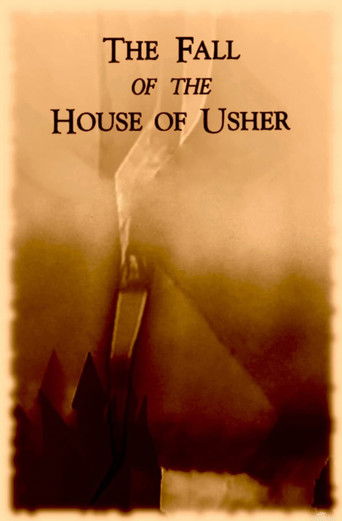
Hildegarde Watson performed in 1928 adaptation of Edgar Allan Poe's gothic tale 'The Fall of the House of Usher. ' Her career appears to have been extremely brief, with this being her only known film credit. Like many supporting actors of the silent era, she was likely part of the studio system that produced numerous films during this transitional period in cinema history. The late 1920s marked a challenging time for many silent film actors as the industry was transitioning to sound, which may have impacted her career trajectory. Very little documentation exists about her life or career beyond this single film appearance, which was common for many supporting players of the era who often worked anonymously or with minimal recognition.
The Craft
Milestones
- Appeared in 'The Fall of the House of Usher' (1928)
Best Known For
Iconic Roles
Must-See Films
Why They Matter
Impact on Culture
Hildegarde Watson's contribution to cinema represents the countless anonymous performers who helped build the foundation of early Hollywood. While her individual impact may be difficult to trace due to limited documentation, her participation in adapting classic literary works like Poe's 'The Fall of the House of Usher' to the silent screen was part of the broader cultural movement that brought gothic literature to mass audiences through the new medium of film. Her career exemplifies the transient nature of many silent era actors' careers, particularly those who did not successfully transition to sound films.
Lasting Legacy
Hildegarde Watson's legacy is primarily preserved through her appearance in the 1928 adaptation of 'The Fall of the House of Usher,' which represents an early cinematic interpretation of Edgar Allan Poe's work. While she may not have achieved lasting fame, her contribution is part of the historical record of silent cinema and the many actors who populated these early films. Her story serves as a reminder of the thousands of performers who participated in cinema's formative years but whose names have been largely lost to history, highlighting the ephemeral nature of fame in early Hollywood.
Who They Inspired
Due to the limited documentation of Hildegarde Watson's career and her brief time in the industry, there is no available information about her influence on other actors or directors. This is common for many supporting players from the silent era whose work, while valuable to the productions they contributed to, did not leave a documented trail of influence or mentorship.
Off Screen
Very little is documented about Hildegarde Watson's personal life, which is typical for many supporting actors from the silent era whose careers were brief and who did not achieve star status.
Did You Know?
- Hildegarde Watson's entire known film career consists of a single film appearance in 1928
- Her only known film was an adaptation of Edgar Allan Poe's classic gothic tale
- She was active during the transition period from silent films to talkies
- Like many silent era supporting actors, very little biographical information exists about her
- Her active years covered what appears to be only one year, making her one of the more short-lived film careers of the era
Frequently Asked Questions
Who was Hildegarde Watson?
Screen credits include the 1928 adaptation of 'The Fall of the House of Usher.' Her career appears to have been extremely brief, with this being her only known film credit, making her one of the many obscure performers from early cinema history.
What films is Hildegarde Watson best known for?
Titles linked here include The Fall of the House of Usher (1928).
When was Hildegarde Watson born and when did she die?
Unfortunately, there is no available documentation about Hildegarde Watson's birth or death dates. This lack of biographical information is common for many supporting actors from the silent era who did not achieve lasting fame.
What awards did Hildegarde Watson win?
There are no records of Hildegarde Watson receiving any awards or nominations for her film work. This is typical for many supporting actors of the silent era, particularly those with very brief careers.
What was Hildegarde Watson's acting style?
Due to the limited documentation of her career and the fact that her only known film is from the silent era, there is no specific information available about Hildegarde Watson's acting style or techniques.