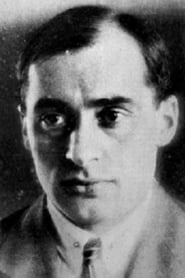
Mikhail Kaufman
Actor
Born: June 5, 1897 in Białystok, Russian Empire (now Poland) Died: January 22, 1980 Active: 1924-1940s Birth Name: Mikhail Abramovich Kaufman
Films
1 film
About Mikhail Kaufman
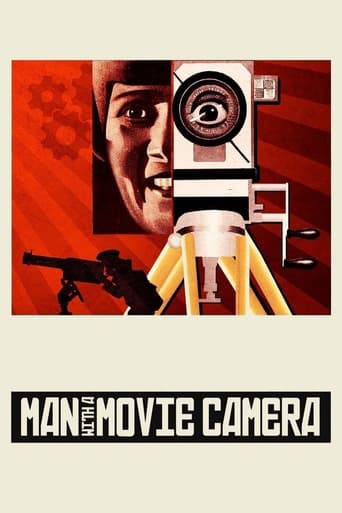
Soviet cinematographer and documentary filmmaker born in 1897 in Białystok, then part of the Russian Empire. He was the younger brother of renowned filmmaker Dziga Vertov (Denis Kaufman) and became his primary collaborator in the development of Soviet documentary cinema. Kaufman served as the cinematographer for many of Vertov's most famous works, including 'Kino-Eye' (1924) and the revolutionary 'Man with a Movie Camera' (1929). His innovative camera techniques and willingness to experiment with visual language helped define the Soviet avant-garde cinema movement of the 1920s. After creative differences with his brother, Kaufman went on to direct his own documentaries, including 'Moscow' (1927) and 'In Spring' (1929). He continued working as a cinematographer and director throughout the 1930s and 1940s, though his later work was more constrained by Soviet artistic policies. Kaufman's contributions to documentary film techniques, particularly his use of hidden cameras and unconventional perspectives, influenced generations of filmmakers worldwide.
The Craft
Milestones
- Cinematographer for 'Man with a Movie Camera' (1929)
- work in Soviet documentary cinema
- Development of innovative camera techniques
- Collaboration with brother Dziga Vertov on 'Kino-Eye' movement
- Director of 'Moscow' (1927) and 'In Spring' (1929)
Best Known For
Iconic Roles
Must-See Films
Accolades
Won
- Order of the Red Banner of Labour (1935)
- Honored Artist of the RSFSR (1935)
Special Recognition
- Pioneer of Soviet Documentary Cinema
- Innovator in Cinematography Techniques
Working Relationships
Worked Often With
Studios
Why They Matter
Impact on Culture
Mikhail Kaufman played a crucial role in developing the visual language of documentary cinema during the Soviet avant-garde period. His innovative camera techniques, including the use of hidden cameras, unusual angles, and dynamic movement, helped establish documentary filmmaking as a legitimate artistic form. His work on 'Man with a Movie Camera' is particularly significant, as it demonstrated how cinema could capture the rhythm and energy of modern urban life. Kaufman's emphasis on capturing reality without interference or staging influenced the development of cinéma vérité and direct cinema movements decades later.
Lasting Legacy
Kaufman's legacy lies in his technical innovations and artistic vision that helped shape documentary cinema. His willingness to experiment with camera placement and movement expanded the possibilities of what documentary film could achieve aesthetically. The techniques he developed for capturing unmediated reality continue to influence documentary filmmakers today. Despite being somewhat overshadowed by his more famous brother, Kaufman's contributions to Soviet and world cinema are increasingly recognized by film historians and scholars.
Who They Inspired
Kaufman influenced generations of documentary filmmakers through his innovative approach to camera work and his philosophy of capturing life as it unfolds. His work anticipated many techniques later associated with cinéma vérité and observational documentary. Contemporary documentarians who emphasize visual poetry and innovative camera perspectives owe a debt to Kaufman's efforts. His influence can be seen in the work of filmmakers like Frederick Wiseman, the Maysles brothers, and modern documentary practitioners who seek to find art in everyday reality.
Off Screen
Mikhail Kaufman came from a Jewish family in Białystok and was the younger brother of Denis Kaufman (Dziga Vertov). The family moved to Moscow after the Russian Revolution. Kaufman married and had children, though specific details about his family life are not extensively documented. His relationship with his brother was both creatively fruitful and professionally complex, marked by periods of intense collaboration and eventual artistic disagreement.
Education
Studied at the Moscow Film School (VGIK) in its early years, largely self-taught in cinematography techniques
Family
- Details not extensively documented
Did You Know?
- Was the actual 'man with a movie camera' in Vertov's famous film
- Developed many of his own camera equipment to achieve desired shots
- Often used hidden cameras to capture authentic reactions
- His creative differences with brother Vertov led to their professional separation
- Served as a war photographer during World War II
- His techniques influenced both documentary and fiction filmmaking
- Was one of the first cinematographers to extensively use handheld cameras
- His work helped establish the 'Kino-Eye' theory of cinema
- Continued working as a photographer after his film career ended
- His archives contain valuable documentation of early Soviet life
In Their Own Words
The camera eye is more perfect than the human eye
We must capture life unawares
Cinema should show us the world we cannot see with our own eyes
The truth of cinema lies in its ability to reveal the hidden rhythms of life
Frequently Asked Questions
Who was Mikhail Kaufman?
Soviet cinematographer and documentary filmmaker best known for his work on 'Man with a Movie Camera' (1929). He was the younger brother of director Dziga Vertov and played a crucial role in developing innovative camera techniques that influenced documentary cinema worldwide.
What films is Mikhail Kaufman best known for?
Titles linked here include Man with a Movie Camera (1929), Kino-Eye (1924).
When was Mikhail Kaufman born and when did he die?
Born June 5, 1897; died January 22, 1980.
What was Mikhail Kaufman's relationship to Dziga Vertov?
Mikhail Kaufman was the younger brother of Dziga Vertov (born Denis Kaufman). They were close collaborators in the 1920s, with Kaufman serving as Vertov's primary cinematographer, but they had a professional falling out over creative differences, particularly regarding credits for 'Man with a Movie Camera'.
What innovations did Mikhail Kaufman bring to cinematography?
Kaufman pioneered numerous techniques including the use of hidden cameras, unusual camera angles, handheld camera work, and dynamic camera movement. He developed custom equipment to achieve shots that were previously impossible and emphasized capturing reality without interference.