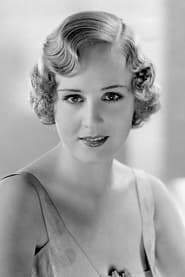
Madge Evans
Actor
Born: July 1, 1909 in Manhattan, New York, USA Died: April 26, 1981 Active: 1914-1943 (with occasional appearances through 1950s)
Films
1 film
About Madge Evans
Madge Evans began her remarkable career as a child model at just three years old, quickly transitioning to child actress in silent films during the 1910s. She successfully navigated the challenging transition from silent films to talkies in the late 1920s, establishing herself as a prominent leading lady during the Golden Age of Hollywood. Under contract to MGM during the 1930s, she became known for her sophisticated performances in both dramatic and romantic roles, often portraying elegant, intelligent women. Evans appeared in over 30 films throughout her career, working alongside some of the biggest stars of her era including Joan Crawford and Clark Gable. After marrying Pulitzer Prize-winning playwright Sidney Kingsley in 1939, she gradually reduced her film appearances, though she continued to act occasionally in theater and television. Her screen career spanned the silent era through the Golden Age of Hollywood, making her one of the few actresses to successfully navigate this significant transition in cinema history. Evans was respected for her intelligence, professionalism, and versatility in an industry that often typecast actresses of her era.
The Craft
On Screen
Madge Evans was known for her natural, understated acting style that emphasized emotional authenticity over theatrical mannerisms. Her performances were characterized by a refined elegance and intelligence, often portraying sophisticated, educated women with depth and complexity. She had a particular talent for conveying subtle emotions through her expressive eyes and nuanced facial expressions, a skill that served her well in both silent and sound films. Evans' approach to acting was grounded in realism, avoiding the exaggerated gestures common in early cinema, which made her particularly effective in dramatic roles requiring emotional depth. Her voice, clear and well-modulated, was perfectly suited for talkies, allowing her to deliver dialogue with natural grace and conviction.
Milestones
- Started as child model at age 3
- Successful transition from silent films to talkies
- MGM contract during 1930s
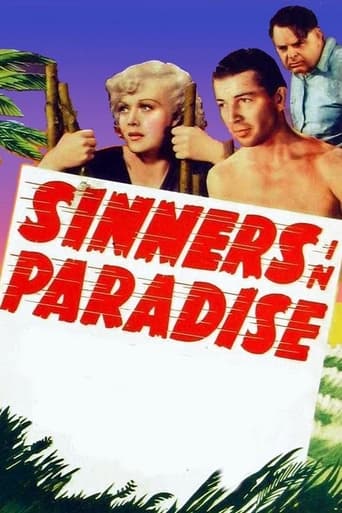
- Starred in 'Sinners in Paradise' (1938)
- Married Pulitzer Prize-winning playwright Sidney Kingsley
- Appeared in over 30 films during career
- Transitioned to theater and television work
Best Known For
Iconic Roles
Must-See Films
Accolades
Special Recognition
- Hollywood Walk of Fame star (Motion Pictures) - 1752 Vine Street
Working Relationships
Worked Often With
Studios
Why They Matter
Impact on Culture
Madge Evans represented the transition between the silent and sound eras of Hollywood, embodying the adaptability required for success during this revolutionary period in cinema. Her natural acting style helped influence the move away from the theatrical mannerisms of silent films toward more realistic performances in talkies. As an intelligent, educated actress who married a prominent playwright, she challenged stereotypes about actresses being merely decorative figures in Hollywood. Evans' career demonstrated that it was possible to maintain dignity and artistic integrity while working within the studio system. Her successful transition from child star to adult leading lady provided a model for other young actors facing similar career challenges.
Lasting Legacy
Madge Evans left a lasting legacy as one of Hollywood's most versatile and intelligent actresses of the 1930s. Her body of work, particularly her films at MGM, showcases the evolution of American cinema from the early sound era through the Golden Age. While she may not be as widely remembered today as some of her contemporaries, film historians recognize her contributions to the development of naturalistic acting in early talkies. Her marriage to Sidney Kingsley created a bridge between Hollywood and legitimate theater, influencing cultural exchange between these entertainment forms. Evans' career serves as an important example of an actress who successfully navigated the challenges of child stardom, the transition to sound, and the changing demands of the film industry while maintaining her personal integrity.
Who They Inspired
Madge Evans influenced subsequent generations of actors through her naturalistic acting style, which helped pave the way for more realistic performances in Hollywood films. Her ability to transition from child actor to adult leading lady provided a model for other young performers facing similar career challenges. Evans' emphasis on intelligence and education in an industry that often valued appearance over substance inspired other actresses to pursue intellectual growth alongside their careers. Her successful marriage to a prominent playwright demonstrated that actresses could have fulfilling personal lives and relationships outside the Hollywood system. The dignity and professionalism she maintained throughout her career set a standard for conduct in the entertainment industry.
Off Screen
Madge Evans married Pulitzer Prize-winning playwright Sidney Kingsley in 1939, a union that lasted until her death in 1981. Their marriage was considered one of Hollywood's most intellectually stimulating partnerships, with both partners deeply involved in the arts. The couple had no children but maintained a rich social life with many literary and theatrical figures. Evans was known for her intelligence and wit, often engaging in intellectual discussions that set her apart from many of her Hollywood contemporaries. After her marriage, she significantly reduced her film work to focus on her personal life and support her husband's career. She was described by friends as warm, generous, and deeply loyal to those she cared about.
Education
Educated in New York City schools while working as a child actress; later studied drama and literature privately
Family
- Sidney Kingsley (1939-1981)
Did You Know?
- Began her career as a child model for Butterick patterns at age 3
- Made her film debut at age 6 in the 1915 silent film 'The Little Princess'
- Was one of the few child stars to successfully transition to adult roles
- Appeared on the cover of Motion Picture Magazine in 1932 as one of Hollywood's promising new stars
- Was known for her refusal to pose for cheesecake photos, maintaining her dignity as an actress
- Spoke fluent French and was known for her intellectual pursuits
- Turned down several roles that she felt were demeaning to women
- Her husband Sidney Kingsley won the Pulitzer Prize for Drama for 'Men in White' the year they married
- Made her Broadway debut in 1942 in 'The World We Make'
- Appeared in early television episodes in the 1950s including 'The Philco Television Playhouse'
In Their Own Words
I'd rather be a good actress in a small part than a bad actress in a starring role.
The camera doesn't lie, but it doesn't tell the whole truth either.
Being a child star is like being a grown-up star, only you don't get to keep the money.
I learned early that fame is fleeting, but self-respect is forever.
The best thing about Hollywood is that it's a place where dreams can come true. The worst thing is that it's a place where nightmares can also come true.
Frequently Asked Questions
Who was Madge Evans?
American actress who began her career as a child star in silent films and successfully transitioned to adult roles in talkies during Hollywood's Golden Age. She was known for her sophisticated performances and natural acting style, appearing in over 30 films primarily during the 1930s.
What films is Madge Evans best known for?
Titles linked here include Dancing Lady (1933), Grand Canary (1934).
When was Madge Evans born and when did she die?
Born July 1, 1909; died April 26, 1981.
What awards did Madge Evans win?
While Madge Evans did not receive major acting awards during her career, she was honored with a star on the Hollywood Walk of Fame for her contributions to motion pictures. Her lasting recognition comes from her significant body of work and influence on acting styles during the transition from silent to sound films.
What was Madge Evans' acting style?
Madge Evans was known for her natural, understated acting style that emphasized emotional authenticity over theatrical mannerisms. Her performances were characterized by refined elegance and intelligence, with a particular talent for conveying subtle emotions through nuanced expressions and clear, well-modulated dialogue delivery.