T. S. Balaiah
Actor
Born: August 23, 1914 in Sankarankovil, Madras Presidency, British India (now Tamil Nadu, India) Died: July 22, 1972 Active: 1936-1972 Birth Name: Thatchaiyappan Sankaran Balaiah
Films
3 films
About T. S. Balaiah
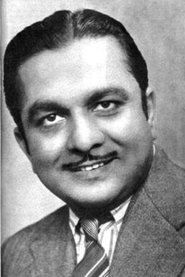
T. S. Balaiah, born Thatchaiyappan Sankaran Balaiah, was a Tamil film actor who built a 300-film career from the late 1930s with M.G. Ramachandran and Sivaji Ganesan. He began his career as a stage actor in the 1930s, performing with various theater troupes before making his film debut in the late 1930s. His distinctive appearance, complete with a prominent mustache and expressive eyes, combined with his impeccable dialogue delivery, made him an instant favorite among audiences. Throughout his career spanning nearly four decades, he appeared in over 300 films, showcasing remarkable versatility by excelling in both comic and villainous roles. He worked extensively with the biggest stars of Tamil cinema including M.G. Ramachandran, Sivaji Ganesan, and Gemini Ganesan, often stealing scenes with his powerful screen presence. His ability to seamlessly transition between comedy and drama demonstrated his exceptional acting range and understanding of character nuances. Even after his death in 1972, his films continue to be celebrated, and his performances are studied by aspiring actors as examples of perfect character acting in Indian cinema.
The Craft
On Screen
T. S. Balaiah was known for his expressive acting style characterized by exaggerated facial expressions, distinctive dialogue delivery, and impeccable comic timing. His stage background influenced his theatrical approach to film acting, making his performances memorable and impactful. He had a unique ability to convey emotions through his eyes and subtle gestures, often stealing scenes with minimal dialogue. His comic timing was legendary, and he could switch from humorous to menacing roles with remarkable ease, showcasing his versatility as a character actor.
Milestones
- Transitioned successfully from stage to films in the late 1930s
- Became
- Worked with legendary actors M.G. Ramachandran and Sivaji Ganesan in numerous films
- Established himself as a versatile performer excelling in both comedy and villain roles
- Appeared in over 300 films throughout his career
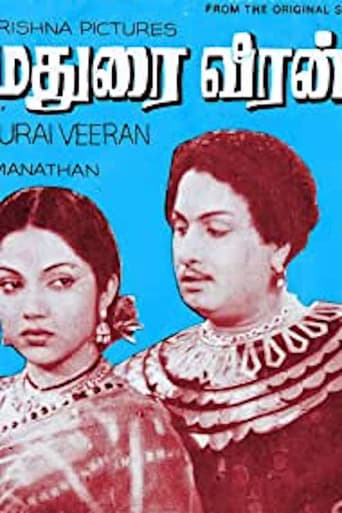
- Received critical acclaim for performances in films like Thiruvilayadal and Nadodi Mannan
Best Known For
Iconic Roles
Must-See Films
Accolades
Won
- Kalaimamani Award from Government of Tamil Nadu (posthumously)
Nominated
- Filmfare Award for Best Supporting Actor (multiple nominations)
Special Recognition
- Honored with a postage stamp by India Post in 2015 as part of 'Legendary Actors of Indian Cinema' series
- Tamil Nadu State Film Honorary Award for contribution to cinema
- Several film festivals have held retrospectives of his work
- Many actors have cited him as an influence in interviews
Working Relationships
Worked Often With
Studios
Why They Matter
Impact on Culture
T. S. Balaiah significantly influenced Tamil cinema by elevating the importance of character actors in films. During an era when lead actors dominated the narrative, Balaiah proved that supporting characters could be equally memorable and sometimes even outshine the protagonists. His distinctive style of combining comedy with villainy created a new archetype in Tamil cinema that many actors later emulated. He contributed to the development of the comedy genre in Tamil films, establishing patterns and techniques that became standard in the industry. His performances in mythological and historical films helped bring these stories to life for millions of viewers, making ancient tales accessible and entertaining. Balaiah's work also reflected the social changes happening in India, with his characters often representing the common man's perspective on modernization and tradition.
Lasting Legacy
T. S. Balaiah's legacy in Indian cinema is that of a character actor who demonstrated the power of supporting roles in creating memorable films. His ability to excel in both comedy and drama set a benchmark for versatility that continues to inspire actors today. Many contemporary Tamil actors cite him as an influence, particularly in the art of comic timing and character development. His films are regularly shown on television and streaming platforms, introducing new generations to his talent. The Tamil Nadu government's recognition of his contributions with the Kalaimamani award and the India Post commemorative stamp ensure that his place in cinema history is officially acknowledged. Film schools in South India often study his performances as examples of effective character acting, and his dialogue delivery techniques are still analyzed by acting students.
Who They Inspired
T. S. Balaiah influenced generations of Tamil cinema actors, particularly in the realm of character acting and comedy. His unique style of blending humor with menace created a template that many subsequent actors followed. Actors like Nagesh, Cho Ramaswamy, and later Vivek and Vadivelu have acknowledged learning from Balaiah's approach to comedy. His method of using minimal props and relying on facial expressions and body language influenced the broader acting style in Tamil cinema. Directors often used his performances as reference points when directing other actors in similar roles. His success proved that character actors could have long, sustainable careers in cinema, encouraging many talented performers to take on supporting roles rather than striving only for lead positions.
Off Screen
T. S. Balaiah was known to be a humble and down-to-earth person despite his success in films. He maintained close relationships with his co-stars and was particularly admired for his dedication to his craft. He was deeply religious and known for his philanthropic activities, often contributing to charitable causes quietly. His personal life was relatively private, and he preferred to keep his family away from the limelight. Even at the height of his career, he remained connected to his theatrical roots and occasionally returned to stage performances.
Education
Limited formal education, primarily self-taught through theater experience and extensive reading
Family
- Rajeswari (married 1938 until his death in 1972)
Did You Know?
- He began his career as a railway employee before discovering his passion for acting
- Despite appearing in over 300 films, he never played the lead protagonist in any film
- He was known for his ability to memorize lengthy dialogues in a single reading
- His distinctive mustache became his trademark and was often imitated by other actors
- He once performed in 12 different stage plays in a single day to raise money for a charitable cause
- Many of his famous dialogues are still quoted in Tamil popular culture today
- He was one of the few actors who successfully worked with both MGR and Sivaji Ganesan during their peak rivalry
- His final film 'Ulagam Sutrum Valiban' was released posthumously and became a huge success
- He was known to never use makeup for his roles, relying entirely on natural expressions
- Despite being typecast in comic roles, he was a serious student of classical Tamil literature
In Their Own Words
Even a clown has his dignity, and I make sure my characters never lose theirs, no matter how funny the situation
Acting is not about becoming someone else; it's about finding parts of yourself in every character you portray
The audience pays to see us, so we owe them our complete honesty in every performance, whether it's comedy or tragedy
Frequently Asked Questions
Who was T. S. Balaiah?
Legendary Tamil film with credits in this catalog.
What films is T. S. Balaiah best known for?
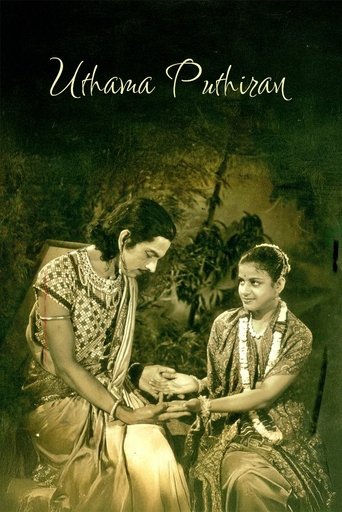
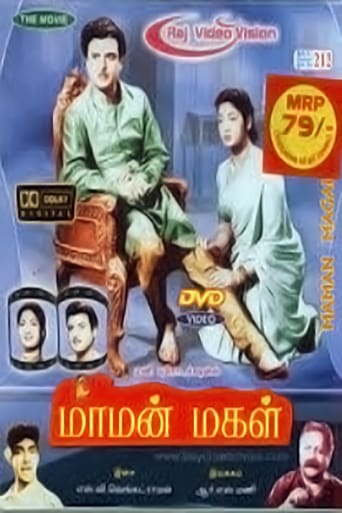
Titles linked here include Uthama Puthiran (1940), Maman Magal (1955).
When was T. S. Balaiah born and when did he die?
Born August 23, 1914; died July 22, 1972.
What awards did T. S. Balaiah win?
He received the Kalaimamani Award from the Government of Tamil Nadu posthumously, and was honored with a commemorative postage stamp by India Post in 2015 as part of the 'Legendary Actors of Indian Cinema' series.
What was T. S. Balaiah's acting style?
His acting style was characterized by expressive facial expressions, distinctive dialogue delivery, and impeccable comic timing, influenced by his theatrical background and marked by his ability to seamlessly switch between comedy and drama.
How many films did T. S. Balaiah appear in?
T. S. Balaiah appeared in over 300 films throughout his career spanning nearly four decades from 1936 to 1972.
Did T. S. Balaiah work with major stars of Tamil cinema?
Yes, he worked extensively with all the major stars of his era including M.G. Ramachandran, Sivaji Ganesan, and Gemini Ganesan, often stealing scenes with his powerful performances.