
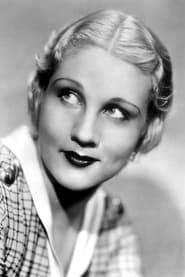
Judith Wood
Actor
Born: August 1, 1906 in New York City, New York, USA Died: April 6, 1935 Active: 1929-1935 Birth Name: Helen Johnson
Films
1 film
About Judith Wood
Judith Wood, born Helen Johnson, was an American actress who emerged during the transitional period from silent films to talkies in Hollywood. She began her career in the late 1920s and gained recognition for her performances in early sound films, particularly her role in 'Sin Takes a Holiday' (1930) opposite Constance Bennett and Kenneth MacKenna. Wood signed with Paramount Pictures and appeared in several films throughout 1930, showcasing her ability to adapt to the new medium of sound cinema. Her performances were characterized by a naturalistic style that suited the intimate nature of early talkies, distinguishing her from many silent film stars who struggled with the transition. Despite her promising start and growing popularity, her career was tragically cut short when she died in 1935 under mysterious circumstances that remain debated by film historians. Her brief but notable career represents the challenges and opportunities faced by actors during this pivotal era in Hollywood history.
The Craft
On Screen
Wood's acting style was characterized by its naturalistic and understated approach, which was well-suited for the new sound era. Unlike many silent film actors who struggled with the transition to talkies, she possessed a clear, well-modulated speaking voice and an ability to deliver dialogue with authenticity. Her performances often featured a subtle emotional depth that resonated with audiences of the early sound period, and she was particularly effective in dramatic roles requiring nuanced expressions of inner conflict.
Milestones
- Film debut in 'Sin Takes a Holiday' (1930)
- Contract with Paramount Pictures in 1930
- Notable supporting roles in early talkies
- Recognition as one of Hollywood's promising young actresses of the early 1930s
Best Known For
Iconic Roles
Must-See Films
Working Relationships
Worked Often With
Studios
Why They Matter
Impact on Culture
Judith Wood represents the generation of actors who successfully navigated the challenging transition from silent films to talkies, demonstrating the new skills required for sound cinema. Her career, though brief, exemplifies both the opportunities and uncertainties faced by young performers during Hollywood's technological revolution. Her natural acting style and clear speaking voice helped establish standards for sound film performance that would influence subsequent generations of actors. Her tragic death at a young age also contributed to the mythology of early Hollywood and the dangers that sometimes accompanied fame during the studio system era.
Lasting Legacy
Despite her brief career, Judith Wood is remembered by film historians as an example of the talented performers who emerged during the early sound era. Her work in films like 'Sin Takes a Holiday' serves as documentation of acting techniques during this transitional period in cinema history. Her story is often cited in discussions about the pressures and dangers faced by young actors in Golden Age Hollywood, and her mysterious death has made her a subject of ongoing fascination for classic cinema enthusiasts and Hollywood historians.
Who They Inspired
Wood's naturalistic approach to acting in early talkies influenced how studios trained new actors for sound films, emphasizing the importance of vocal technique and subtle performance over the exaggerated gestures of the silent era. Her ability to transition successfully from stage to screen provided a model for other theater actors entering the film industry during the early 1930s.
Off Screen
Judith Wood married actor Sidney Blackmer in 1928, and their relationship was considered one of the more stable marriages in Hollywood during that era. She was known for her intelligence and wit, often engaging in intellectual discussions with Hollywood's elite. Friends described her as ambitious yet grounded, with a strong work ethic and dedication to her craft. Her personal life was relatively free of the scandals that plagued many of her contemporaries, though her tragic death would later become the subject of much speculation and mystery in Hollywood lore.
Education
Educated in New York City schools; attended acting classes in New York before moving to Hollywood
Family
- Sidney Blackmer (1928-1935)
Did You Know?
- Born Helen Johnson, she changed her name to Judith Wood for her film career
- She was discovered while performing in Broadway productions
- Her death in 1935 was officially ruled a suicide, but some historians have questioned this conclusion
- She was under contract to Paramount Pictures during the peak of her career
- Her husband Sidney Blackmer was a prominent character actor who continued working in films for decades after her death
- She appeared in uncredited roles in several major films of the early 1930s
- Her film career lasted only five years but included work with some of Hollywood's major directors
- She was considered one of Paramount's promising young contract players before her death
- Her death certificate listed her occupation as 'housewife' rather than 'actress'
- No known film footage of her interviews or personal appearances survives
Frequently Asked Questions
Who was Judith Wood?
American actress active in early Hollywood during the transition from silent films to talkies. Born Helen Johnson in 1906, she appeared in several films in the early 1930s, most notably 'Sin Takes a Holiday' (1930), before her tragic death in 1935 at age 28.
What films is Judith Wood best known for?
Titles linked here include Sin Takes a Holiday (1930), The Grand Parade (1930).
When was Judith Wood born and when did she die?
Born August 1, 1906; died April 6, 1935.
What awards did Judith Wood win?
Judith Wood did not receive any major awards or nominations during her brief career. Her work was primarily in supporting roles during the early sound era, before award ceremonies had become as established as they later became in Hollywood.
What was Judith Wood's acting style?
Wood's acting style was naturalistic and understated, well-suited for the new sound era. Unlike many silent film actors who struggled with talkies, she had a clear speaking voice and delivered dialogue with authenticity, using subtle emotional expressions rather than the exaggerated gestures common in silent films.
Was Judith Wood married?
Yes, Judith Wood was married to actor Sidney Blackmer from 1928 until her death in 1935. Blackmer was a prominent character actor who continued working in films and television for decades after her death, known for his roles in 'Rosemary's Baby' and numerous other productions.
What happened to Judith Wood?
Judith Wood died on April 6, 1935, from a gunshot wound that was officially ruled a suicide. However, the circumstances surrounding her death have remained controversial, with some historians questioning whether it was actually accidental or involved other factors. The mystery of her death has contributed to her enduring fascination among classic cinema enthusiasts.