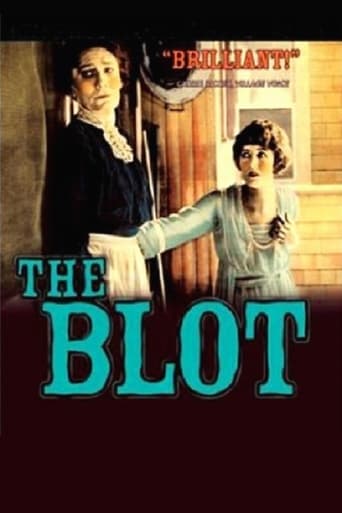
Films
1 film
About Philip Hubbard
American actor of the silent era, known primarily for his role in the 1921 social drama 'The Blot.' His career appears to have been brief, with this film being his most notable and possibly only credited screen appearance. 'The Blot' was directed by female filmmaker Lois Weber and dealt with themes of poverty, class disparity, and social justice in post-World War I America. Hubbard's participation in this significant social commentary film places him within the context of early cinema's attempts to address serious social issues. Like many supporting actors of the silent era, detailed records of his life and career are sparse, reflecting the limited documentation practices of early Hollywood. His contribution, while small in scope, was part of a film that has since been recognized as an important work in American cinema history.
The Craft
Milestones
- Appeared in Lois Weber's 'The Blot' (1921)
- Participated in early American social commentary cinema
Best Known For
Iconic Roles
Must-See Films
Working Relationships
Worked Often With
Why They Matter
Impact on Culture
Philip Hubbard's cultural impact is primarily indirect, through his participation in 'The Blot,' a film that has gained historical significance as an example of early American social problem cinema. The film, directed by the female director Lois Weber, addressed issues of poverty and class inequality that were rarely depicted on screen during the early 1920s. While Hubbard himself was not a major star, his contribution to this important work places him within the broader context of early cinema's evolution from simple entertainment to a medium for social commentary. The preservation and restoration of 'The Blot' by film archives has ensured that even minor performers like Hubbard remain part of the historical record of American cinema's development.
Lasting Legacy
Philip Hubbard's legacy is tied to the enduring significance of 'The Blot' as an important example of early American social cinema. As a participant in this historically significant film, he represents the countless supporting actors who contributed to the foundation of American cinema during its formative years. While individual details about his life and career may be lost to time, his work survives as part of a film that continues to be studied by film historians and scholars interested in early cinema's treatment of social issues. His inclusion in the cast of a Lois Weber film also connects him to one of cinema's most important early female directors, adding to the historical interest in his brief filmography.
Who They Inspired
Due to the brief nature of his known film career, there is no documented evidence of Philip Hubbard's direct influence on other actors or filmmakers. His influence is primarily contextual, as part of the ensemble that helped bring Lois Weber's socially conscious vision to the screen. The film itself has influenced subsequent generations of filmmakers interested in social commentary cinema, but Hubbard's individual contribution to this influence remains undocumented.
Off Screen
Very little information is available about Philip Hubbard's personal life, which is typical for many supporting actors from the silent era whose careers were brief and who did not achieve star status.
Did You Know?
- Philip Hubbard appeared in only one known film, 'The Blot' (1921)
- The film he appeared in was directed by Lois Weber, one of early cinema's most prominent female directors
- 'The Blot' was considered a progressive film for its time, addressing issues of poverty and social inequality
- The film has been preserved by the Library of Congress and recognized for its historical significance
- Like many silent era supporting actors, detailed biographical information about Hubbard is extremely limited
- His participation in 'The Blot' places him within the context of early cinema's transition toward more socially relevant content
- The film was restored in the 21st century, bringing renewed attention to its cast including Hubbard
Frequently Asked Questions
Who was Philip Hubbard?
American with credits in this catalog.' His career appears to have been brief, with this being his most notable and possibly only credited film role.
What films is Philip Hubbard best known for?
Titles linked here include The Blot (1921).
When was Philip Hubbard born and when did he die?
Specific birth and death dates for Philip Hubbard are not available in historical records, which is common for supporting actors from the silent era who did not achieve major star status.
What awards did Philip Hubbard win?
There are no records of Philip Hubbard receiving any major awards or nominations for his work in film, which was typical for many supporting actors of the silent era.
What was Philip Hubbard's acting style?
Due to the limited documentation of his career and the loss of many silent films, specific details about Philip Hubbard's acting style are not available in historical records.
Why is Philip Hubbard significant in film history?
Philip Hubbard's significance comes from his participation in 'The Blot' (1921), an important early social problem film directed by Lois Weber. The film is historically significant for its progressive themes and for being directed by one of cinema's female filmmakers.