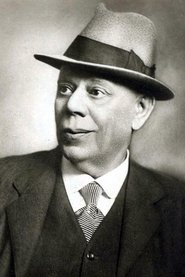
Ilija Stanojević 'Čiča'
Actor & Director
Born: September 21, 1859 in Belgrade, Principality of Serbia Died: August 8, 1930 Active: 1911-1911 Birth Name: Ilija Stanojević
Films
1 film
About Ilija Stanojević 'Čiča'
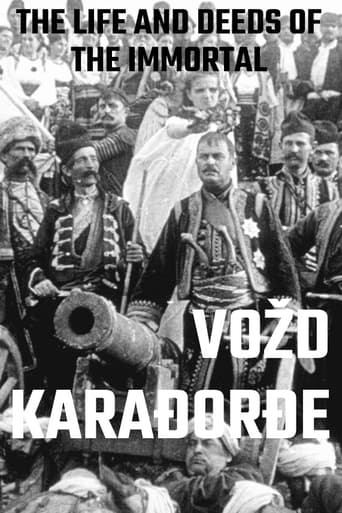
Made significant contributions to early Serbian cinema during the silent era. Born in 1859, he was already an established theater actor before transitioning to film, bringing decades of stage experience to his cinematic work. His most notable achievement was directing and starring in 'The Life and Deeds of the Immortal Vožd Karađorđe' in 1911, which is widely regarded as the first Serbian feature film and a cornerstone of national cinema. Stanojević portrayed the titular role of Karađorđe Petrović, the leader of the First Serbian Uprising, demonstrating his remarkable ability to embody historical figures with authenticity and gravitas. Despite his brief film career spanning only 1911, his work established foundational techniques for Serbian filmmaking and set standards for historical epics in the region. His theatrical background heavily influenced his directorial approach, emphasizing dramatic composition and powerful character development. Stanojević's contribution to Serbian cinema represents a crucial bridge between traditional theater and emerging cinematic art forms, making him an essential figure in Balkan film history.
The Craft
On Screen
Stanojević's acting style was rooted in classical theatrical tradition, characterized by grand gestures, powerful vocal delivery, and dramatic physicality typical of 19th-century stage performance. His portrayal of historical figures emphasized dignity and gravitas, using measured movements and expressive facial features to convey emotion in the silent medium. He brought the same intensity and commitment to his film performances that had made him a celebrated theater actor, adapting stage techniques for the camera's intimate perspective while maintaining the epic quality required for historical subjects.
Behind the Camera
As a director, Stanojević employed a theatrical approach to composition, using wide shots to capture the full scope of historical scenes and carefully staging group movements to create visual spectacle. He understood the importance of historical authenticity in costume and set design, striving to recreate the atmosphere of early 19th-century Serbia. His direction emphasized narrative clarity and emotional impact, using the limited technical resources of 1911 to maximum effect through strategic camera placement and thoughtful blocking of actors.
Milestones
- Directed and starred in Serbia's first feature film 'The Life and Deeds of the Immortal Vožd Karađorđe' (1911)
- Pioneered Serbian silent cinema
- Successfully transitioned from acclaimed theater to film
- Established standards for historical epics in Serbian cinema
- Created the first cinematic portrayal of Serbian national hero Karađorđe
Best Known For
Iconic Roles
Must-See Films
Accolades
Special Recognition
- Recognized as the father of Serbian cinema
- Honored as a pioneer of Yugoslav film
- Commemorated in Serbian Film Archives as a foundational figure
Working Relationships
Worked Often With
Studios
Why They Matter
Impact on Culture
Stanojević's work in 'The Life and Deeds of the Immortal Vožd Karađorđe' established the foundation for Serbian national cinema, creating a template for historical filmmaking that would influence generations of Serbian directors. His portrayal of Karađorđe helped cement the national hero's place in popular culture and collective memory, using the new medium of film to reach broader audiences than theater alone could achieve. The film's release during a period of growing Serbian national consciousness contributed to cultural identity formation in the early 20th century. Stanojević demonstrated that Serbian stories and Serbian actors could create compelling cinema, inspiring confidence in the country's artistic capabilities and encouraging investment in domestic film production.
Lasting Legacy
Ilija Stanojević 'Čiča' is remembered as the pioneer who brought Serbian cinema to life with the country's first feature film, creating a lasting legacy that continues to be celebrated in Serbian film history. His work is preserved and studied by the Yugoslav Film Archive as a crucial cultural artifact representing the birth of Serbian cinema. The annual Serbian Film Festival includes a special award named in his honor, recognizing contributions to national cinema. Film historians consider his 1911 masterpiece a milestone not just for Serbia but for Balkan cinema as a whole, representing one of the earliest narrative feature films produced in Southeastern Europe. His successful transition from theater to film paved the way for other Serbian artists to embrace the new medium.
Who They Inspired
Stanojević's theatrical approach to filmmaking influenced early Serbian directors who followed, particularly in the realm of historical epics and biographical films. His emphasis on authentic representation of national heroes established a tradition of historically grounded cinema in Serbia that continues to this day. Contemporary Serbian filmmakers studying the origins of their national cinema often cite Stanojević as an inspiration for his courage to undertake ambitious projects with limited resources. His work demonstrated that cinema could be a powerful tool for preserving and promoting national culture, a principle that has guided Serbian filmmakers throughout the 20th and 21st centuries.
Off Screen
Ilija Stanojević was deeply embedded in Belgrade's cultural scene throughout his life, maintaining connections with theater and artistic communities. He earned the affectionate nickname 'Čiča' (Uncle) from colleagues and the public, reflecting his respected status and paternal role in Serbian performing arts. Despite his brief film career, he continued his theatrical work until his health declined in his later years. His dedication to Serbian culture and arts made him a beloved figure in Belgrade society.
Education
Graduated from Belgrade Gymnasium; studied acting at the Serbian National Theater's acting school
Family
- Jelena Stanojević (1885-1930)
Did You Know?
- The nickname 'Čiča' (Uncle) was given to him out of respect by younger actors and colleagues
- His 1911 film was shot on location in Belgrade and surrounding areas, using natural lighting
- The original film negative was thought lost for decades before being discovered in the 1960s
- Stanojević was 52 years old when he made his only film, already a veteran of the stage
- He personally funded part of the film's production due to his passion for the project
- The film's premiere was attended by Serbian cultural and political elite
- Stanojević wrote some of his own theatrical plays and adaptations
- He was known for his meticulous research into historical costumes and settings
- His theater active years covered over 40 years before his brief film work
- The film's success led to increased interest in Serbian cinema but World War I interrupted its development
In Their Own Words
The camera captures what the heart feels, and the soul of Serbia lives in every frame
To play Karađorđe is not to act, but to become the spirit of Serbian freedom
Theater teaches us to be heard, cinema teaches us to be seen - both are needed to tell our story
Every Serbian child should know the face of their heroes, and film makes this possible
Frequently Asked Questions
Who was Ilija Stanojević 'Čiča'?
Serbian actor and on YTB.my. He was already an accomplished theater actor when he made his mark on cinema, directing and starring in the historical epic 'The Life and Deeds of the Immortal Vožd Karađorđe'. His work established the foundation for Serbian national cinema and made him a revered figure in Balkan film history.
What films is Ilija Stanojević best known for?
Titles linked here include The Life and Deeds of the Immortal Vožd Karađorđe (1911).
When was Ilija Stanojević born and when did he die?
Born September 21, 1859; died August 8, 1930.
What awards did Ilija Stanojević win?
During his lifetime, Stanojević did not receive formal film awards as Serbia's film industry was just beginning in 1911. However, he has been posthumously honored with recognition as the father of Serbian cinema, and an annual Serbian Film Festival award bears his name. The Yugoslav Film Archive preserves his work as a foundational piece of national cultural heritage.
What was Ilija Stanojević's acting and directing style?
Stanojević's style was rooted in classical theatrical tradition, featuring dramatic gestures and powerful presence adapted for the silent film medium. As a director, he emphasized historical authenticity, used wide compositions to capture epic scenes, and employed theatrical staging techniques to create visual spectacle. His approach successfully bridged 19th-century theater aesthetics with early 20th-century cinematic possibilities.