
Keys: Space play/pause · ←/→ 10s · F fullscreen · M mute · </> speed
Plot
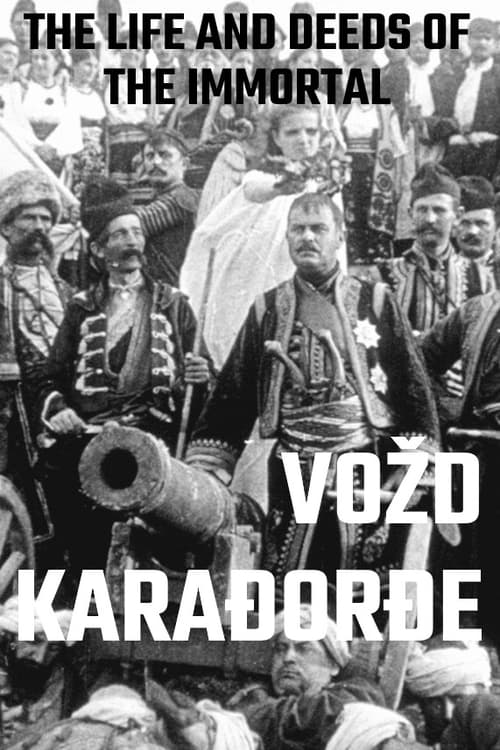
The film chronicles the complete life journey of Karađorđe Petrović, the legendary leader of the First Serbian Uprising against Ottoman rule. Beginning with his humble origins in the village of Viševac, the narrative follows his transformation from a pig trader to a revolutionary leader after the infamous 'Slaughter of the Knezes' in 1804. The film depicts his military campaigns, strategic victories against Ottoman forces, and his establishment as the leader of the newly autonomous Serbian state. The story continues through his complex relationships with fellow revolutionaries, his eventual exile in Russia after political conflicts, and his tragic assassination in 1817 on orders of Prince Miloš Obrenović. Throughout the epic narrative, the film portrays Karađorđe as both a national hero and a complex human figure, capturing the spirit of Serbian resistance and the birth of modern Serbian statehood.
About the Production
Release Date October 23, 1911
Box Office Unknown - box office tracking was not standardized in early Serbian cinema
Production Srbija Film
Filmed In Belgrade, Kingdom of Serbia, Various locations around Serbia for historical authenticity
This was an ambitious undertaking for early Serbian cinema, requiring extensive historical costumes, props, and large crowd scenes for battle sequences. The production faced significant challenges including limited technical equipment, primitive filming conditions, and the need to recreate early 19th-century Serbia with limited resources. Director Ilija Stanojević, who was also a renowned theater actor, brought his theatrical expertise to the film's staging and performances. The battle scenes were particularly challenging to film given the limitations of early cinema technology and the lack of experienced film crews in Serbia at the time.
More Drama Films
View all →






Themes & Topics
Serbian uprisingOttoman EmpireNational heroRevolutionHistorical biography19th centuryBattle scenesLeadershipIndependence struggleAssassinationExilePolitical conflict
Historical Background
The film was produced in 1911 during a pivotal moment in Serbian and Balkan history. The Kingdom of Serbia, having gained full independence from the Ottoman Empire in 1878, was experiencing a period of cultural flowering and growing national consciousness. This era saw the emergence of modern Serbian institutions, including a burgeoning film industry. The film's creation occurred just before the Balkan Wars (1912-1913), during which Serbia would significantly expand its territory and influence. The choice of Karađorđe as a subject was particularly resonant, as it connected contemporary Serbian aspirations with the heroic struggle for independence that had occurred a century earlier. The film emerged during a time when cinema was transitioning from novelty to art form across Europe, and Serbian cultural figures were eager to participate in this new medium. The production also reflected the broader European trend of national epic films that celebrated historical heroes and foundational myths, similar to what was happening in Italian, French, and Russian cinema of the period.
Why This Film Matters
This film holds immense cultural significance as the foundational text of Serbian cinema. It established the precedent for historical epics in Serbian filmmaking and demonstrated cinema's potential as a medium for national storytelling. The film's portrayal of Karađorđe helped cement his status as a national hero for new generations, bringing the historical figure to life through the then-revolutionary medium of motion pictures. Its production marked the transition of Serbian culture from purely theatrical and literary traditions to embrace modern cinematic arts. The film's existence proved that Serbia could produce ambitious, large-scale cinematic works despite technical and financial limitations. It inspired subsequent generations of Serbian filmmakers to tackle historical subjects and national themes. The film also represents an important chapter in the broader history of European cinema, as one of the earliest narrative feature films produced in Southeastern Europe. Its loss (or partial preservation) has made it a legendary, almost mythical work in Serbian cultural memory, symbolizing both the birth and the fragility of early national cinemas.
Making Of
The making of 'The Life and Deeds of the Immortal Vožd Karađorđe' represented a monumental effort in the nascent Serbian film industry. Director Ilija Stanojević, drawing on his extensive theatrical background, approached the project with the grandeur of a stage production but had to adapt to the new medium of cinema. The production team faced numerous technical challenges, including the lack of professional film equipment in Serbia, which necessitated improvisation and resourcefulness. The battle sequences were particularly ambitious, requiring coordination of hundreds of extras and horses, all while working with cumbersome early film cameras that had to be manually cranked. The cast, primarily composed of theater actors, had to adapt their performance styles from the exaggerated gestures of stage acting to the more subtle requirements of the silent film medium. Historical accuracy was a major concern, with significant research conducted into period costumes, weapons, and locations. The film's production coincided with a period of cultural renaissance in Serbia, and there was tremendous pressure to create a work that would honor the national hero while also establishing Serbian cinema as a serious artistic endeavor.
What Critics Said
Contemporary critical reception was overwhelmingly positive, with Serbian newspapers and cultural journals praising the film as a monumental achievement for national culture. Critics particularly noted the film's historical importance, the powerful performance of Milorad Petrović as Karađorđe, and the impressive scale of the battle sequences. The film was celebrated not just as entertainment but as a contribution to Serbian cultural heritage and national education. Modern film historians regard it as a pioneering work, though its incomplete preservation makes comprehensive evaluation difficult. Contemporary scholars emphasize its historical importance over its artistic merits, given the technical limitations of early Serbian cinema. The film is frequently cited in academic works about early European cinema and the development of national film industries. While it's impossible to fully assess its artistic achievements today, its ambition and scale are universally acknowledged as remarkable for its time and place.
Did You Know?
- This is widely considered the first feature-length narrative film made in Serbia, marking a milestone in Serbian and Balkan cinema history
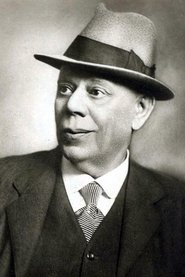
- Director Ilija Stanojević was not only a filmmaker but also one of Serbia's most celebrated theater actors, known by his nickname 'Čiča' (Uncle)
- The film was produced just seven years after the first film screening in Belgrade in 1904
- Milorad Petrović, who played Karađorđe, was also a prominent theater actor and was chosen for his physical resemblance to historical portraits of the leader
- The film's original Serbian title was 'Život i dela besmrtnog vožda Karađorđa'
- Contemporary newspapers reported that the film required over 300 extras for the battle scenes, an enormous undertaking for early Serbian cinema
- The film was screened in several major Serbian cities including Belgrade, Niš, and Novi Sad, drawing large audiences eager to see their national hero on screen
- Only fragments of the film are known to survive today, making it one of the many lost treasures of early European cinema
- The film was made during a period of rising Serbian nationalism, just before the Balkan Wars that would expand Serbian territory
- Technical limitations meant that the film had to be shot outdoors in natural light, as artificial lighting equipment was not available in Serbia at the time
Awards & Recognition
- None - film awards were not established in Serbia during this period
More film details Visual style, music, quotes, restoration, and more
Visual Style
The cinematography was typical of the silent era but ambitious for Serbian conditions of 1911. The film was shot in black and white using hand-cranked cameras, with natural lighting for outdoor scenes. The battle sequences utilized wide shots to capture the scale of the conflicts, while intimate character moments employed closer framing. The camera work was static by modern standards but showed sophistication in its composition and use of depth. The filmmakers made creative use of the Serbian landscape to stand in for early 19th-century locations. Given the technical limitations, the cinematography focused on clear, theatrical compositions that would read well to audiences unfamiliar with cinematic language. The visual style emphasized historical authenticity through careful attention to costumes, props, and settings, creating a believable recreation of the early 1800s despite the primitive filming conditions.
Innovations
The film represented several technical achievements for early Serbian cinema, including the successful coordination of large crowd scenes and battle sequences with limited equipment. The production team developed innovative solutions for creating period costumes and props with available resources. The film demonstrated advanced understanding of continuity editing and narrative structure for the period. The successful creation of historical scenes with hundreds of extras showed remarkable organizational and technical capabilities given the primitive state of Serbian film infrastructure. The film's relatively long running time (for the era) and complex narrative structure were ambitious technical undertakings that pushed the boundaries of what was thought possible in Serbian film production at the time.
Music
As a silent film, it would have been accompanied by live musical performance during theatrical screenings. The specific musical arrangements are not documented, but they likely included popular Serbian folk songs, patriotic music, and classical pieces appropriate to the dramatic scenes. Theater orchestras or pianists would have improvised or used prepared scores to enhance the emotional impact of key moments, particularly during battle sequences and dramatic confrontations. The music would have drawn from Serbian musical traditions to reinforce the film's national character and historical setting.
Famous Quotes
No verbatim quotes survive due to the film's incomplete preservation and the nature of silent cinema
Memorable Scenes
- The opening scene showing young Karađorđe's humble beginnings in rural Serbia
- The dramatic recreation of the 1804 'Slaughter of the Knezes' that sparked the uprising
- Large-scale battle sequences depicting Serbian forces fighting Ottoman troops
- The coronation scene where Karađorđe is proclaimed leader of the uprising
- The emotional farewell scene before Karađorđe's exile
- The tragic final scene depicting his assassination in 1817
What Audiences Thought
The film was enormously popular with Serbian audiences upon its release, drawing large crowds in theaters across the kingdom. Contemporary reports indicate that viewers were deeply moved to see their national hero portrayed on screen, with many experiencing emotional responses to the historical scenes. The film's success was particularly notable given that cinema was still a relatively new medium in Serbia, and many audience members were experiencing their first feature film. The film's educational value was also appreciated, with many viewing it as a way to connect with their national history. The popularity of the film helped establish cinema as a legitimate form of cultural entertainment and education in Serbian society. Audience enthusiasm for the film encouraged further investment in Serbian film production, though the outbreak of World War I would soon interrupt the development of the national cinema industry.
Film Connections
Influenced By
- Contemporary European historical epics
- Serbian oral tradition and epic poetry
- Theatrical historical dramas
- Historical paintings and portraits of Karađorđe
- Nationalist literature of the period
This Film Influenced
- Subsequent Serbian historical films
- Later adaptations of Karađorđe's story
- Yugoslav historical epics of the 1950s-1960s
- Modern Serbian films about national history
Film Restoration
The film is considered largely lost, with only fragments and still photographs surviving. Some sequences may exist in archives in Serbia or former Yugoslav republics, but a complete copy has not been located. The film's loss is typical of early cinema from the region, where proper preservation methods were not established until decades later. Film historians continue to search for missing reels in private collections and international archives.
Where to Watch
- Due to its lost/partially preserved status, the film is not commercially available. Fragments may occasionally be screened at film archives or special retrospectives on early Serbian cinema. The Yugoslav Film Archive in Belgrade may hold surviving fragments for academic research.