Films
1 film
About Persa Pavlović
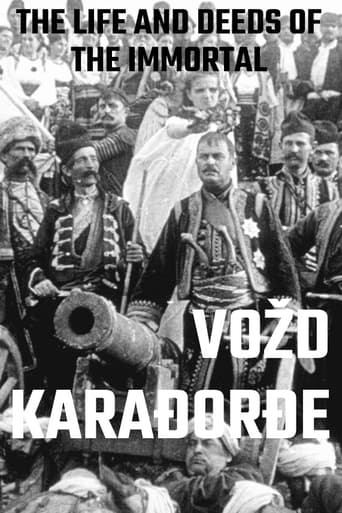
Persa Pavlović appears once in this catalog: The Life and Deeds of the Immortal Vožd Karađorđe (1911). Specifically in the silent film era. His career, though brief, coincided with the very beginnings of Serbian filmmaking in the early 1910s. Pavlović is known primarily for his role in 'The Life and Deeds of the Immortal Vožd Karađorđe' (1911), which was one of the first feature films produced in Serbia and the entire Balkan region. This historical epic depicted the life of Karađorđe Petrović, the leader of the First Serbian Uprising against Ottoman rule. Like many early film actors of the period, Pavlović likely came from a theatrical background, as was common in the transition from stage to screen during cinema's infancy. His single known film appearance places him among the very first generation of Serbian film actors, making him a significant figure in the history of Balkan cinema despite the limited documentation of his career. The film itself was directed by Ilija Stanojević-Čiča, a prominent Serbian actor and director of the era.
The Craft
Milestones
- Appeared in 'The Life and Deeds of the Immortal Vožd Karađorđe' (1911), one of Serbia's first feature films
Best Known For
Iconic Roles
Must-See Films
Working Relationships
Worked Often With
Why They Matter
Impact on Culture
Persa Pavlović represents the very foundation of Serbian cinema, being among the first generation of actors to appear in Serbian feature films. His participation in 'The Life and Deeds of the Immortal Vožd Karađorđe' places him at the birth of national cinema in Serbia, a period when film was just beginning to establish itself as an art form in the Balkans. This 1911 production was not only a technical achievement for its time but also a cultural milestone, bringing Serbian national history to the screen and helping to establish a cinematic identity for the Serbian people. Though individual contributions like Pavlović's may seem minor in isolation, collectively these actors laid the groundwork for the future of Serbian and Yugoslavian cinema.
Lasting Legacy
While specific details about Persa Pavlović's legacy are limited due to the scarcity of historical records, his contribution to Serbian film history is significant as one of the first actors to appear in Serbian cinema. The film he participated in, though now considered lost like many early Serbian films, represents a crucial milestone in the development of national cinema. Early actors like Pavlović were instrumental in demonstrating that film could be a medium for telling Serbian stories and portraying Serbian national heroes, paving the way for future generations of Serbian filmmakers and actors. His work, though brief, is part of the foundational chapter of Balkan cinema history.
Who They Inspired
Due to the limited documentation of early Serbian cinema actors and the apparent brevity of Pavlović's film career, his direct influence on subsequent actors or filmmakers cannot be definitively traced. However, as one of the pioneers who helped establish Serbian cinema, he contributed to creating a foundation upon which later generations would build. The very existence of actors like Pavlović in these early productions proved that Serbian stories could be told through the medium of film, influencing the trajectory of national cinema development.
Off Screen
Very little is documented about Persa Pavlović's personal life, which was common for early film actors in Serbia during this period. Records from the early 1910s Serbian film industry are scarce, and many actors from this era remain largely unknown to modern historians.
Did You Know?
- Appeared in what is considered one of the first feature films ever made in Serbia
- The film 'The Life and Deeds of the Immortal Vožd Karađorđe' was directed by Ilija Stanojević-Čiča, who also starred in the film
- This 1911 production was created during the very early days of cinema in the Balkans
- The film depicted the life of Karađorđe Petrović, a national hero of Serbia
- Like many early films from this region, the original print is now considered lost
- The film was produced before World War I, which would later disrupt film production in the Balkans
- Early Serbian cinema of this period was heavily influenced by theatrical traditions
- 1911 was the same year that major film developments were happening worldwide, including the founding of Motion Picture Patents Company in America
Frequently Asked Questions
Who was Persa Pavlović?
Early Serbian with credits in this catalog. He represents the generation of Balkan cinema actors.
What films is Persa Pavlović best known for?
Titles linked here include The Life and Deeds of the Immortal Vožd Karađorđe (1911).
When was Persa Pavlović born and when did he die?
Unfortunately, specific birth and death dates for Persa Pavlović are not available in historical records, which is common for many early film actors from this period and region. Documentation of early Serbian cinema personnel is extremely limited.
What awards did Persa Pavlović win?
No awards or nominations for Persa Pavlović are documented. During the very early days of Serbian cinema in 1911, formal award systems for film achievements had not yet been established in the region.
What was Persa Pavlović's acting style?
Specific details about Pavlović's acting style are not documented, but actors of this era typically employed theatrical techniques adapted for the silent screen, with exaggerated gestures and expressions to convey emotion without dialogue.
Why is Persa Pavlović significant in film history?
Pavlović is significant as one of the first generation of Serbian film actors, participating in the foundational period of Balkan cinema. His work in 1911 represents the birth of national cinema in Serbia at a time when film was just emerging as an art form worldwide.