Dobrica Milutinović
Actor
Born: August 11, 1880 in Nišor, Serbia Died: November 18, 1956 Active: 1901-1956 Birth Name: Dobrosav Milutinović
Films
1 film
About Dobrica Milutinović
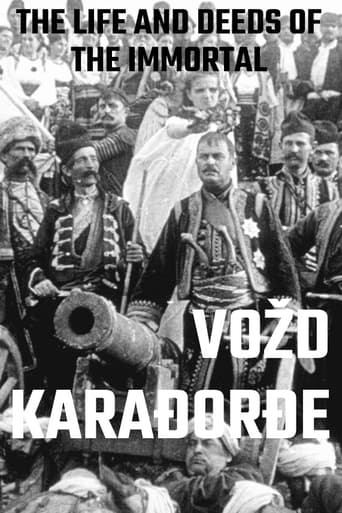
Dobrica Milutinović was Serbian theater actors of the early 20th century, whose over five decades and on Serbian performing arts. Born in 1880 in the small village of Nišor, he rose from humble beginnings to become a titan of the Yugoslavian stage, known particularly for his powerful interpretations of classical and contemporary Serbian plays. His most famous film appearance was in the 1911 silent epic 'The Life and Deeds of the Immortal Vožd Karađorđe,' which is the first feature films produced in Serbia. Throughout his theatrical career, Milutinović was associated with prestigious institutions including the Serbian National Theatre in Novi Sad and the National Theatre in Belgrade. He was renowned for his commanding stage presence, deep, resonant voice, and ability to embody complex historical figures with extraordinary authenticity. Despite his brief foray into cinema, his influence on Serbian acting techniques and theatrical pedagogy was profound, mentoring generations of performers who would follow in his footsteps. His legacy as a cultural icon in Serbia and Yugoslavia endures to this day, with theaters and awards named in his honor.
The Craft
On Screen
Known for his powerful, commanding stage presence and deep, resonant voice that could fill the largest theaters. Milutinović employed a classical, dramatic style rooted in 19th-century theatrical traditions but adapted it with remarkable psychological depth. His interpretations of historical figures were particularly acclaimed for their authenticity and emotional intensity. He mastered both tragic and comic roles with equal facility, though he was most celebrated for his portrayals of Serbian historical heroes and complex dramatic protagonists.
Milestones
- Debut at Serbian National Theatre in Novi Sad (1901)
- Starred in first Serbian feature film 'The Life and Deeds of the Immortal Vožd Karađorđe' (1911)
- Joined National Theatre in Belgrade (1921)
- Received highest Yugoslavian theater honors
- Mentored generations of Serbian actors
Best Known For
Iconic Roles
Must-See Films
Accolades
Won
- Order of Saint Sava
- Order of the Yugoslav Crown
- National Artist of Yugoslavia
- Lifetime Achievement Award from Serbian National Theatre
Nominated
- Multiple nominations for Best Actor from Yugoslavian theater associations
Special Recognition
- Theater named 'Dobrica Milutinović Theatre' in Smederevo
- Annual acting award established in his name
- Commemorative stamp issued by Yugoslavian postal service
- Streets named after him in multiple Serbian cities
Working Relationships
Worked Often With
Studios
Why They Matter
Impact on Culture
Dobrica Milutinović played a pivotal role in establishing professional theater standards in Serbia and Yugoslavia during a formative period of national cultural development. His performance in the first Serbian feature film helped legitimize cinema as an art form in the region, bridging theatrical traditions with the new medium. As a living embodiment of Serbian cultural identity during times of political upheaval, his portrayals of national heroes helped shape collective memory and historical consciousness. His dedication to the Serbian language and classical literature contributed significantly to the preservation and promotion of national cultural heritage.
Lasting Legacy
Milutinović's legacy endures through the generations of actors he influenced and the theatrical institutions he helped elevate to international standards. The annual 'Dobrica Milutinović Award' remains one of Serbia's most prestigious theatrical honors. His approach to character interpretation and vocal technique continues to be studied in Serbian acting academies. The theater in Smederevo bearing his name serves as a living monument to his contributions to Serbian culture. His brief but significant contribution to early cinema marks him as a figure in the development of Serbian and Yugoslavian film.
Who They Inspired
Milutinović's acting technique, which combined classical rigor with psychological authenticity, became a model for subsequent generations of Serbian actors. His emphasis on textual fidelity and emotional truth influenced the development of modern Serbian theater pedagogy. Many of Yugoslavia's most celebrated actors of the mid-20th century cited him as their primary artistic influence. His success in both classical and contemporary works helped establish a more diverse theatrical repertoire in Serbian theaters.
Off Screen
Milutinović was known as a deeply private individual who dedicated his life entirely to the theater. He never married, considering the stage his true family and home. Despite his fame and numerous admirers, he maintained a humble lifestyle and was known for his generosity toward young, struggling actors. He lived modestly in Belgrade for most of his adult life, surrounded by books and theatrical memorabilia. His personal correspondence reveals a man of deep intellect and profound artistic commitment.
Education
Self-taught actor with natural talent; received informal training from established theater professionals in Novi Sad and Belgrade. He supplemented his natural abilities with extensive reading and study of European dramatic literature, particularly Russian and French classics.
Did You Know?
- Was one of the first Serbian actors to appear in a feature film
- Never married, claiming he was married to the theater
- Could memorize entire plays after reading them just once
- His voice was so powerful that it could be heard in the back row of the largest theaters without amplification
- Refused numerous offers to work abroad, preferring to develop Serbian theater
- Was known for his extensive collection of theatrical texts and literature
- Spent his entire salary on books and helping young actors
- Performed in over 500 different theatrical productions during his career
- Was fluent in several languages but insisted on performing primarily in Serbian
- His performance as Karađorđe in the 1911 film was considered revolutionary for its time
In Their Own Words
The stage is my home, the audience my family, and the play my life's work.
An actor must not play at being someone else - he must become that someone else, even if only for a moment.
The greatest drama is not written on paper, but in the hearts of the audience.
To be a Serbian actor is to carry the soul of a nation on your shoulders.
When I die, bury me with a script in my hands, for the play must go on.
Frequently Asked Questions
Who was Dobrica Milutinović?
Dobrica Milutinović was. His active years covered over five decades and he was particularly renowned for his powerful interpretations of classical plays and historical figures.
What films is Dobrica Milutinović best known for?
Titles linked here include The Life and Deeds of the Immortal Vožd Karađorđe (1911).
When was Dobrica Milutinović born and when did he die?
Born August 11, 1880; died November 18, 1956.
What awards did Dobrica Milutinović win?
Milutinović received numerous prestigious honors including the Order of Saint Sava, the Order of the Yugoslav Crown, and was named a National Artist of Yugoslavia. The theater in Smederevo bears his name, and an annual acting award continues to be given in his honor.
What was Dobrica Milutinović's acting style?
Milutinović was known for his powerful, commanding stage presence and deep, resonant voice that could fill the largest theaters. He employed a classical, dramatic style rooted in 19th-century theatrical traditions but adapted it with remarkable psychological depth, particularly excelling in portrayals of historical figures and complex dramatic protagonists.